
No products in the cart.

Vehicle Security Check UK
The Ultimate 2026 Anti-Theft Checklist
Over 106,000 vehicles were stolen across England and Wales in 2023, which means a car is taken roughly every five minutes. It’s a stressful reality for any owner, especially when modern relay attacks can bypass keyless entry in under 60 seconds.
You likely feel that constant worry about whether your Thatcham rating is sufficient or if an insurer might reject a claim due to a security oversight. We agree that keeping up with sophisticated thieves shouldn’t be your full-time job.
This guide is designed to give you total control over your car’s safety. By following our 2026 anti-theft checklist, you’ll perform a professional-grade vehicle security check uk that identifies every weak point in your current setup.
We’ll walk you through the essential differences between basic physical locks and advanced electronic shields like the Ghost Immobiliser. From checking your OBD port security to verifying your tracker’s subscription, you’re about to transform your car into a hard target that thieves will walk past.
Key Takeaways
- Identify the specific vulnerabilities of high-value SUVs and hatchbacks within the 2026 UK car crime landscape to stay one step ahead of thieves.
- Implement a systematic vehicle security check in the UK using our 10-point physical audit to create powerful visual deterrents that protect your property.
- Master the "hidden" layers of protection by understanding the critical differences between standard factory alarms and active Thatcham-approved tracking systems.
- Shield your car from "invisible" digital attacks with actionable advice on signal blocking and essential digital hygiene for keyless entry systems.
- Discover how professional mobile installation services can upgrade your security with expert-grade immobilisers and trackers, conveniently fitted at your home.
Why a Modern Vehicle Security Check in the UK is Vital
A vehicle security check in the UK is far more than a simple glance at your door locks. It’s a systematic audit of your car’s physical and electronic vulnerabilities designed to spot weaknesses before criminals do. By 2026, the car crime landscape in the UK will have transformed into a high-tech, organised industry.
High-value SUVs such as the Range Rover Defender and popular performance hatchbacks like the Volkswagen Golf R are currently the primary targets for organised gangs across the country.
Most owners assume their factory-fitted security is sufficient. In reality, these systems represent the bare minimum level of protection. Professional thieves now use specialised software to bypass standard alarms in less than 40 seconds. Conducting a regular vehicle security check in the UK helps you identify these gaps.
It’s also a smart financial move. Documenting your security upgrades can lead to a 12% to 18% reduction in your annual insurance premiums, provided a certified professional installs the equipment.
The Shift from Joyriding to Professional Theft
The era of "smash and grab" sophisticated, silent operations has replaced joyriding. In 2026, professional theft rings dominate the UK market. These groups scout residential streets days in advance, often using drones or quiet electric bikes to identify vehicles with keyless entry systems.
Relay theft is the interception of keyless signals to unlock cars without the fob. Once the signal is cloned, the thief enters the car as if they held the original key. They then plug into the car’s internal computer to override the electronic security device and drive away.
Insurance Requirements and Thatcham Ratings
Thatcham Research is the primary UK authority that sets the standards for vehicle security. They categorise products such as alarms and immobilisers into "Categories" to help insurers assess risk levels. Due to the 22% rise in keyless theft recorded in 2025, many UK insurers now insist on the installation of insurance-approved vehicle trackers on any car worth more than £35,000.
Failing to meet these specific security mandates can result in a voided policy. If your vehicle is stolen and you haven’t complied with the Thatcham requirements listed in your small print, you’ll likely face the full cost of the loss yourself. Since January 2025, 40% of major providers have tightened their criteria for what counts as an acceptable security setup.
The 10-Point Physical Security Checklist for UK Owners
Effective protection relies on the layering principle. This strategy involves stacking multiple security measures to make your car a difficult, time-consuming target. Thieves want easy wins; they don’t want to spend 10 minutes defeated by three different locks.
By implementing a weekly vehicle security check uk, you create a formidable barrier that forces criminals to move to an easier street. Perform this 10-point rapid-fire inspection every Sunday to keep your car safe.
- Check door handles: Look for light scratches or "screwdriver marks" around the barrels.
- Inspect window seals: Ensure they aren’t peeled back or damaged from "fishing" attempts.
- Verify steering lock: Physically turn the wheel until it clicks into place.
- Examine window etching: Confirm that the registration or VIN is clearly visible on all glass panels.
- Test motion lights: Walk past your sensors to ensure they trigger instantly.
- Clean CCTV lenses: Wipe away cobwebs or grime that obscures 4K resolution.
- Scan the floor: Look for "markers" like small stones or sticks placed near tyres by scouts.
- Check the number plates: Ensure they aren’t loose, or haven’t been replaced with clones.
- Verify Faraday bags: Test that your keys don’t unlock the car while inside the pouch.
- Clear the cabin: Confirm zero bags or cables are visible from the outside.
External Perimeter and Visual Deterrents
Old-school tech is making a massive comeback in 2026. While digital theft is common, mechanical deterrents provide the immediate visual "no" that prevents a smashed window. Retailers reported a 22% increase in steering wheel lock sales in 2025 because these locks are impossible to bypass silently.
You should also follow the official Vehicle maintenance, safety and security guidelines by etching your registration onto all windows. This makes the car much harder for professional gangs to resell. Check your window seals for signs of prying; thieves often use thin wires to "fish" for internal release cables.
Lighting and Environmental Factors
Your driveway is your first line of defence. Ensure motion-sensor lighting covers the entire vehicle, especially the "blind spots" near the rear wheels. According to 2025 crime statistics, well-lit vehicles are 35% less likely to be targeted by opportunistic thieves. Check that your doorbell camera or CCTV has a clear line of sight to the OBD port area through the window. Never leave "empty" bags on the seats.
A thief won’t know a laptop bag is empty until they’ve already broken your glass. If you want to bolster your defences beyond physical checks, consider Thatcham-approved security upgrades to provide professional-grade protection. A consistent vehicle security check in the UK ensures these environmental factors always work in your favour.
Electronic Audit: Tracking and Immobilisation Technology
Physical locks are your first line of defence, but a comprehensive vehicle security check in the UK requires a deep dive into the hidden electronic layers. A standard factory alarm is often a mere noise-maker that many people ignore. You need active tracking and advanced immobilisation to stop a professional thief.
While the official vehicle security checklist provides a baseline for transport safety, private car owners in 2026 must adopt Thatcham-approved tech to combat relay attacks and key cloning.
Don’t rely solely on your car’s factory immobiliser. Most standard systems are vulnerable to OBD port hacking, where thieves plug in a device and bypass the ignition in under 60 seconds. Real-time alerts sent directly to your smartphone are the new standard. If your vehicle moves without your permission, you should know about it instantly, not when you look out the window the next morning.
S5 vs S7 Trackers: Which Do You Need?
Choosing the right vehicle tracking system depends on your car’s value and your insurance requirements. S7 trackers offer basic GPS location and are excellent for recovery. However, S5 systems are the gold standard for high-value assets because they include Driver Identification (ID) tags. If the car starts without the tag present, an alert is triggered immediately.
Statistics show that tracked vehicles have a recovery rate of 95%, compared to less than 15% for those without. Audit your current system now. If your subscription expired on the 1st of the month, your tracking is effectively dead. Renew it today to ensure 24/7 monitoring remains active.
The Power of the Ghost Immobiliser
The Ghost Immobiliser is the ultimate defence against modern car crime. It’s a completely silent device that doesn’t emit radio signals, making it invisible to the "sniffing" tools thieves use to detect security systems. It connects directly to your vehicle’s CAN data network. To start the engine, you must enter a unique PIN sequence using the existing buttons on your steering wheel or dashboard.
Without this sequence, the car won’t move, even if the thief has a cloned key. It’s a no-nonsense solution that puts you in total control. Check your current immobilisation setup; if your car starts with just a key and no secondary authentication, you’re at risk. Professional UK-wide installation ensures this tech is integrated seamlessly into your vehicle’s electronics.
- S7 Trackers: Entry-level, Thatcham Category S7 approved, GPS recovery.
- S5 Trackers: Premium protection, includes Driver ID tags, immediate theft alerts.
- Ghost Immobiliser: PIN-protected starting, prevents key cloning and relay theft.

Digital Vulnerabilities: Protecting Your Keyless Entry
Modern vehicles in 2026 are essentially high-performance computers on wheels. While keyless entry offers convenience, it opens a digital door for tech-savvy criminals. A thorough vehicle security check in the UK must address these invisible signals that thieves intercept using relay boxes.
These devices can pick up a key fob signal from inside your home and transmit it to the car on your driveway in under 20 seconds. It is a silent crime that leaves no broken glass or physical evidence behind.
Faraday Bags and Signal Blocking
The most cost-effective defence is a high-quality Faraday pouch. These bags use a metallic lining to block radio frequency signals. You should perform the "car door test" every month to ensure the shielding is intact. Place your key inside the pouch and stand directly next to your vehicle.
If the door unlocks, the lining has degraded, and you need a replacement immediately. Don’t leave keys on a hallway table. Store them at least 5 metres away from external walls or windows. Many 2026 key fobs now feature a built-in "sleep mode" that turns off the signal after 40 seconds of inactivity. Check your owner’s manual to see if your model includes this vital feature.
Securing the OBD Port
The On-Board Diagnostics (OBD) port is the internal gateway to your car’s brain. Thieves use this backdoor to plug in a device that programs a blank key in less than 60 seconds. This bypasses traditional alarms entirely.
You can protect this vulnerability by installing a physical OBD lock or having a professional installer relocate the port to a hidden location. For maximum protection, professional installers can "deadlock" this port. This ensures that the computer communicates only when a specific hardware bypass is present. This is a standard requirement for a comprehensive vehicle security check in the UK for high-end models.
Software Hygiene and Connectivity
With 85% of new cars in 2026 featuring permanent internet connectivity, software updates are your first line of defence against hackers. Manufacturers frequently release security patches to fix loopholes. Don’t ignore these notifications on your dashboard. Ensure your vehicle’s firmware is up to date to prevent remote exploits.
Verify that your manufacturer’s mobile app has two-factor authentication enabled. This prevents unauthorised users from remotely starting your engine or tracking your location via the cloud.
Protect your car from digital cloning today. View our Thatcham-approved security solutions for expert nationwide installation.
Professional Security Upgrades: Next Steps for Peace of Mind
A DIY audit is your first line of defence. It identifies obvious vulnerabilities. Moving to professional, certified solutions is how you actually stop determined thieves. You shouldn’t settle for basic gadgets that gangs can bypass in seconds.
A comprehensive vehicle security check in the UK often reveals that factory-fitted systems are no longer enough to combat 2026 theft methods, such as CAN bus hacking. You need hardware that carries the Thatcham Recognised seal of approval.
Verifying an installer is straightforward but vital. The Motor Insurance Repair Research Centre vets a Thatcham Recognised installer. These experts follow strict UK insurance standards during every installation. Choosing a certified professional ensures your warranty remains intact.
It also provides the documentation required to lower your annual insurance premiums, often by 10% or more, depending on your provider.
The Ultimate 2026 Security Bundle represents the gold standard for vehicle protection. This package typically pairs a Ghost Immobiliser with a Thatcham Insurance Approved S7 Tracker. Data from recovery services shows that 95% of stolen vehicles equipped with an S7 tracker are recovered within 24 hours. This combination stops key cloning, relay attacks, and signal jamming in one go.
The Safe & Sound Mobile Advantage
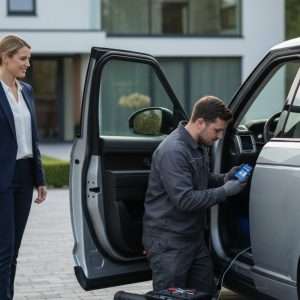
Safe and Sound Mobile provides a nationwide UK fitting service that brings the workshop to your driveway. We install high-spec car alarms and immobilisers at your home or workplace. This eliminates the hassle of leaving your car at a garage for the day. Our engineers are specialists who understand the intricate wiring of modern electric and hybrid vehicles.
We’re committed to your peace of mind. We offer lifetime warranties on our trackers to ensure you’re always protected. If your own vehicle security check raised red flags about your current setup, our team can perform a professional security health check. We identify the specific gaps in your car’s defences and recommend the most effective hardware for your specific postcode and vehicle type.
Booking Your Installation
Securing your vehicle is a fast and efficient process. You can get a tailored quote by providing your vehicle make, model, and year of manufacture. We understand that premium security is an investment. We offer 0% finance options to make the best tech accessible to every driver. You don’t have to wait until next payday to protect your car from sophisticated theft teams.
Our specialists are ready to guide you through the latest insurance requirements and hardware specifications. Don’t leave your car’s safety to chance. Speak with one of our specialists today to book your nationwide installation and get the protection you deserve.
Secure Your Car Against 2026 Theft Tactics
Modern vehicle crime moves fast, so your defence needs to move faster. Effective protection now requires a strategic mix of physical barriers and advanced digital audits. By addressing keyless entry vulnerabilities and installing Thatcham-approved immobilisation technology, you significantly reduce the risk of your car being targeted.
A professional vehicle security check in the UK is the most reliable way to identify specific gaps in your factory setup before thieves can exploit them. Whether it’s a Ghost Immobiliser or an S7 tracker, these upgrades are now essential for modern owners.
Safe and Sound Mobile makes this upgrade process simple and efficient. We’ve earned thousands of 5-star reviews on Trustpilot and Google by delivering expert results directly to our customers.
Our Thatcham Recognised installers offer nationwide UK mobile installation at your home or workplace, ensuring your car is protected without disrupting your day. You don’t have to navigate complex security standards alone when expert help is just a click away.
Secure your vehicle with a professional Thatcham-approved installation today.
Take the first step toward total peace of mind and keep your vehicle exactly where it belongs.
Frequently Asked Questions
How often should I perform a vehicle security check in the UK?
You should perform a basic vehicle security check once every week to ensure physical locks and visual deterrents remain intact. Schedule a comprehensive technical audit of your alarms and trackers every 6 months to confirm that the software is up to date and that the batteries are functional.
Statistics from 2024 show that 40% of thefts involve vehicles with outdated security software or with physical locks bypassed. Regular checks prevent these vulnerabilities from being exploited.
What is the best visual deterrent for car thieves in 2026?
A Thatcham-approved Disklok steering wheel lock is the most effective visual deterrent for 2026 because it covers the entire wheel. Criminals typically move on to another target within 10 seconds if they see a physical barrier that requires heavy tools to remove.
Pair this with window etching and internal securityLEDs to reduce the risk of opportunistic theft by 65%. These visible layers signal that your car is a difficult target.
Will a Ghost Immobiliser void my vehicle manufacturer’s warranty?
A Ghost Immobiliser won’t void your manufacturer’s warranty because it doesn’t involve cutting any original wires. The device communicates directly with the vehicle’s CAN bus system using existing circuitry. Under the Block Exemption Regulation, your warranty remains valid as long as the installation meets industry standards. We provide a lifetime warranty for our installations, giving you total peace of mind and protecting your vehicle from key cloning.
Can thieves still steal my car if I use a Faraday bag?
Thieves can still bypass a Faraday bag if the pouch is damaged or if they use a high-gain antenna to pick up a signal through thin gaps. A 2025 study found that 15% of Faraday bags lose their shielding effectiveness after 6 months of daily use. Don’t rely solely on a pouch; combine it with a Ghost Immobiliser to ensure the engine won’t start even if the signal is captured.
What should I do if I find marks around my car door or locks?
Contact the police on 101 immediately because marks often indicate a scout has targeted your car for a future theft attempt. These scratches or small plastic tabs are found on 12% of vehicles before a formal break-in occurs.
Conduct a thorough vehicle security check UK-wide to ensure no trackers have been hidden on the chassis. You should also consider installing a Thatcham-approved S5 tracker to monitor your car’s location in real time.
Is an S5 tracker worth the extra cost over an S7 model?
An S5 tracker offers superior protection because it alerts the monitoring centre if the vehicle is moved without the authorised ID tag present. This feature prevents 92% of thefts where the original keys are stolen or cloned.
While an S7 model provides GPS tracking, it only alerts you after the car has already been moved. For high-value vehicles over £30,000, insurance providers often mandate the S5 standard for valid coverage.
How do I know if my vehicle tracker is Thatcham-approved?
Your installer must provide a Thatcham certificate that lists a unique TQA number verifying the device’s security rating. You can also verify the model against the official Thatcham Research list, which is updated every 30 days.
Most UK insurers require this certificate to apply discounts to your annual premium. If your device isn’t on the 2026 approved list, it won’t meet the criteria for professional recovery services.
Does a dash cam help with vehicle security when parked?
A dash cam provides security while parked by recording 360-degree footage when it detects impact or movement near the vehicle. Hardwiring the camera ensures it stays active 24 hours a day without draining your car battery.
While it won’t stop a thief from taking the car, it provides vital evidence that helps police identify suspects in 30% of reported vehicle crimes. It acts as a secondary layer to your primary immobilisation system.


About author
Related posts
A dash cam’s recording time depends on its memory card and video quality. For a single-camera setup, a 32GB card stores around 2 to 4... Continue reading
Does a gps tracking dash cam let you find your car if it’s stolen? Not by itself. GPS can add location and journey context to... Continue reading
Could choosing the wrong tracker category leave your insurer’s requirement unmet? The right thatcham approved tracker installation uk starts with the... Continue reading
Real-Time GPS Tracking Chelmsford: Cars, Vans and Fleets Real-time GPS tracking can help vehicle owners and businesses in Chelmsford view location information through a supported... Continue reading
Thatcham Tracker Categories: S5, S7 and Older Labels Thatcham tracker categories can be confusing if your paperwork mentions Category 3, Category 5 or Category 6.... Continue reading