
No products in the cart.

Factory Alarm vs Aftermarket Alarm
Is Your Vehicle Truly Protected in 2026?
Did you know that a vehicle is stolen every 8 minutes in the UK, according to the 2023 ONS crime statistics? Most of these targeted cars were equipped with standard security features that owners assumed were impenetrable.
It’s a frustrating reality that many drivers only consider the factory alarm vs aftermarket alarm debate after their driveway is empty. You’ve likely spent a lot of money on your car and expect the manufacturer’s security to keep it safe from modern criminals.
We understand that the threat of relay theft and keyless hacking is a constant worry for car owners. You want to protect your asset without voiding your warranty or getting lost in technical jargon about Thatcham categories.
This article promises to reveal the critical differences between basic standard security and professional upgrades that actually stop thieves in their tracks. We’ll preview the best insurance-approved solutions, such as the Ghost Immobiliser, and explain how UK-wide professional installation provides the ultimate peace of mind for 2026.
Key Takeaways
- Understand why factory alarms are often too predictable for modern thieves and why standard assembly-line security is now considered the bare minimum for UK drivers.
- Discover the critical differences between a factory alarm and an aftermarket alarm, focusing on how custom, non-standard wiring creates a vital "novelty" barrier against theft.
- Understand the legal requirements for Thatcham Insurance Approved systems to ensure your vehicle meets the highest security standards without voiding your manufacturer’s warranty.
- Learn how to implement a layered security strategy by pairing professional alarms with the best car trackers for total vehicle recovery and peace of mind.
- Assess the long-term value of investing in professional security upgrades for high-risk models to protect your investment and keep your vehicle exactly where you parked it.
Understanding Factory Alarms: Why ‘Standard’ Security is the Bare Minimum
A factory alarm is the security package installed by the manufacturer during your vehicle’s initial assembly. While it provides a basic level of protection, it’s often designed for convenience and mass production rather than high-level security. For a broader overview of car alarms, these systems usually include a basic siren, door sensors, and a standard immobiliser. In 2026, relying solely on this "standard" setup leaves your vehicle exposed to sophisticated theft techniques.
Manufacturers build cars for efficiency and safety ratings. Features like Euro NCAP scores and fuel economy often take priority over bespoke security hardware. This creates a massive vulnerability for owners. When debating a factory alarm vs an aftermarket alarm, you must realise that every factory system is identical. If a thief learns how to bypass one BMW 3 Series or Ford Transit, they can bypass every single one on the road using the same method.
The Predictability of Mass-Produced Security
Professional criminals don’t guess; they study. They buy official factory wiring diagrams for as little as £15 from online forums. These documents allow them to identify exactly which wire to snip to silence the siren before it even makes a sound. Standard immobilisers are equally predictable.
They typically only block the engine start circuit. A sophisticated thief can jump these circuits in under 60 seconds because the hardware is always located in the same spot behind the dashboard. These systems are passive deterrents that react to a break-in rather than actively preventing one.
Vulnerabilities to Modern UK Theft Methods
Modern UK car crime has moved far beyond smashed windows and hot-wiring. Relay theft accounted for roughly 91% of keyless car thefts recorded by major UK insurers in 2023. Thieves use signal boosters to grab your key’s frequency from inside your home. The car thinks you’re standing next to it, so it unlocks and starts without a single alarm trigger.
CAN bus injection is another rising threat in 2026. Criminals access your car’s internal computer network through external points, such as headlight wiring or bumper sensors. They send a "digital unlock" command directly to the ECU. Your factory system complies because the command looks legitimate.
The choice between a factory alarm and an aftermarket alarm becomes clear when you look at these digital response times. Standard alarms aren’t programmed to detect these "authorised" digital entries, making them practically invisible to the car’s original security software.
The Aftermarket Advantage: How Custom Security Outsmarts Modern Thieves
Factory alarms are installed on high-speed assembly lines, meaning every unit of a specific model has the same wiring and component locations. Professional thieves study these layouts. They know exactly which wires to snip to silence a factory siren in seconds.
When comparing a factory alarm vs an aftermarket alarm, the primary advantage of the latter is its unpredictability. Aftermarket systems are dedicated security solutions designed to stay one step ahead of criminal techniques like CAN-bus hacking and key cloning.
The "novelty" factor is a massive deterrent. Because there’s no standard location for an aftermarket control module, a thief cannot prepare for what they’ll find. Our expert fitters at Safe and Sound Mobile hide components in unique, hard-to-reach areas of the vehicle. This bespoke approach forces a thief to spend more time inside the car, which is the one thing they cannot afford to do.
For those seeking maximum protection, these systems often work alongside a ghost immobiliser to create a layered defence that prevents the engine from starting even if the thief has the physical key.
Encrypted Communication and Multi-Point Blocking
Modern car thieves use relay boxes to intercept signals from your key fob. High-quality aftermarket systems stop this by using 128-bit encryption and rolling codes that change every time you arm the system.
This makes signal cloning virtually impossible. While a factory system might only cut the starter motor, aftermarket setups offer deeper protection. Multi-point immobilisation is the standard for 2026 security, allowing the system to independently block the fuel pump, ignition, and starter motor circuits.
Real-Time Alerts and Smartphone Integration
A factory alarm is often just a noise maker that neighbours ignore. Aftermarket solutions provide instant push notifications to your smartphone anywhere in the UK if a door is opened or a sensor is triggered. These systems utilise digital tilt sensors to detect if the car is being jacked up for wheel theft or towed away.
They also feature high-decibel battery backup sirens. Unlike factory sirens that die if the car battery is disconnected, these 115dB units have their own power source and will keep screaming. If you want to ensure your vehicle is truly secure, you can view our Thatcham-approved security range to find a system that fits your budget.
Choosing an aftermarket system means you aren’t relying on the manufacturer’s basic security measures. You’re opting for a custom-fitted, encrypted, and highly visible deterrent that makes your vehicle a "hard target" for even the most tech-savvy criminals in 2026.
Factory vs Aftermarket Alarms: A Direct Comparison for UK Drivers
Choosing between a factory alarm and an aftermarket alarm often comes down to the level of risk you are willing to accept. Most UK manufacturers install standard security systems on the assembly line to meet basic insurance requirements. These systems are predictable. Thieves know exactly where the components are hidden and how to bypass them using signal grabbers or OBD port hacking.
Aftermarket systems, like those from Clifford or Viper, offer bespoke installations. Our engineers hide components in unique locations, making it nearly impossible for a thief to follow a standard blueprint for theft.
| Feature | Factory Alarm | Aftermarket Alarm |
|---|---|---|
| Installation | Standardised assembly line fitting | Custom UK-wide mobile fitting |
| Encryption | Standard rolling codes | Military-grade/Digital encryption |
| Alerts | Local siren only | Smartphone push notifications |
For owners of high-theft models like the Land Rover Defender or Ford Transit, the cost of an aftermarket upgrade provides massive long-term value. A £500 security investment is a fraction of the £1,200+ insurance excess you might face after a theft.
These professional systems often include dual-zone proximity sensors and glass break detection that factory units lack. To achieve maximum protection, many UK drivers pair these systems with insurance-approved vehicle trackers. This combination ensures that if a thief manages to move the vehicle, you get an immediate alert and real-time GPS data.
Which Is Better for Your Specific Vehicle?
High-risk vehicles in the UK require more than basic factory protection. Data from the DVLA shows that the Ford Fiesta and Range Rover Sport remain top targets for organised gangs. If you drive a vehicle from 2018 or earlier, your factory tech is likely outdated. Aftermarket systems bring older cars up to 2026 standards with features like remote engine kill and keyless entry protection.
The psychological impact on a thief is a major factor. A flashing blue aftermarket LED or a distinct siren chirp tells a criminal that your car is a difficult target. Most opportunistic thieves will move on to a car with only factory security because it represents a lower risk of capture.
We recommend professional fitting to ensure your warranty remains intact and to boost your deterrent value significantly. Don’t wait for a break-in to occur. Secure your vehicle today with a system designed to fight modern theft methods.

Insurance, Warranties, and Thatcham: Navigating the Legalities
Thatcham Research remains the definitive authority for vehicle security testing in the UK. When you weigh up the benefits of a factory alarm vs an aftermarket alarm, insurers look for specific Thatcham ratings to determine your risk profile.
These ratings provide a clear benchmark for how well a system protects your asset against modern theft methods.
Understanding Thatcham Categories in 2026
A Thatcham Category 1 system is the highest level of security. It combines a sophisticated perimeter and ignition alarm with an immobiliser. Category 2 systems are electronic immobilisers only and lack the active siren and sensor components.
If you live in a high-theft postcode, such as specific London or West Midlands districts, many insurers now mandate a Thatcham-certified Category 1 alarm for a car before they issue theft cover. Thatcham approval is the gold standard for UK vehicle security because it guarantees the hardware has passed rigorous, independent testing against professional theft techniques.
Protecting Your Warranty with Professional Fitting
Drivers often worry that upgrading their security will void their manufacturer’s warranty. Under the Consumer Rights Act 2015, dealerships cannot legally invalidate your entire warranty simply because you installed an aftermarket system. They must prove that the specific aftermarket component caused a direct fault to deny a claim. This protection only holds weight when you avoid DIY attempts and use a recognised, authorised installer.
- Expert Integration: Professional installers use non-invasive looms to ensure the vehicle’s original wiring remains intact.
- Compliance: Authorised technicians provide a certificate of installation, which most insurance providers require.
- Long-term Support: Safe & Sound Mobile provides a lifetime warranty on many tracker installations to ensure your investment stays protected.
Choosing between a factory alarm and an aftermarket alarm often comes down to insurance premiums. Installing an insurance-approved system can lead to a direct reduction in annual costs, often between 5% and 15%, depending on the provider. Factory systems are frequently basic. Aftermarket upgrades offer "above and beyond" features that insurers reward, such as driver identification tags that prevent "relay attack" thefts. Always ensure your installer is TASSA-registered or Thatcham-recognised to guarantee your policy remains valid.
Get a quote for a Thatcham-approved installation today
Choosing Your Shield: Finding the Right Security Balance
In the debate of factory alarm vs aftermarket alarm, the clear winner for 2026 is a ‘factory-plus’ strategy. Most standard systems are bypassed in under 60 seconds by professional gangs using relay attacks or OBD port hacking. Relying on the basic security that came with your car leaves you vulnerable. You need a layered defence to truly protect your investment and ensure your vehicle stays exactly where you parked it.
A layered approach is the gold standard for vehicle security in the UK. It moves beyond mere noise to focus on immobilisation and recovery. By adding secondary layers, you force a thief to spend more time on the job. Time is the one thing a criminal doesn’t have. Most thieves will walk away from a car if they see it has multiple visible and invisible security measures installed.
Creating a Layered Security System
A single device isn’t enough to stop a determined professional. We recommend a synergy between a Ghost Immobiliser, an aftermarket alarm, and a dash cam. The Ghost Immobiliser prevents the engine from starting without a unique PIN code, stopping keyless entry theft in its tracks. Pair this with the best car tracker to ensure that even if the car is towed, you can locate it instantly.
These layers work together to stop both opportunistic ‘joyriders’ and organised gangs. In a 2024 case study, a Range Rover owner in Essex avoided a total loss when thieves bypassed the factory locks but were defeated by the Ghost Immobiliser. The thieves fled the scene when the aftermarket siren triggered. The owner received a notification on their phone immediately, proving that the factory alarm vs aftermarket alarm comparison proves that a combined approach is best.
- Ghost Immobiliser: Stops the car from being driven away even with the keys.
- Aftermarket Alarm: Provides a loud, active deterrent that factory systems often lack.
- GPS Tracker: Offers 24/7 monitoring and Thatcham-approved recovery.
- Dash Cam: Records visual evidence of any tampering or attempted theft.
Expert Help from Safe & Sound Mobile
Safe & Sound Mobile makes securing your car simple and stress-free. We offer a nationwide mobile installation service at your home or workplace. Whether you’re in Chelmsford or anywhere else in the UK, our engineers come to you. You don’t need to lose a day at a garage. We handle everything on-site, ensuring your new system integrates seamlessly with your vehicle’s electronics.
Don’t settle for basic protection that thieves already know how to beat. Speak with our specialists to tailor a package for your specific vehicle and budget. We provide authoritative advice on the latest Thatcham-approved hardware and offer 0% finance to help spread the cost. Secure your vehicle today with our professional car alarm fitting service and get the peace of mind you deserve.
Secure Your Investment for 2026 and Beyond
Your vehicle’s security shouldn’t be left to chance. While standard systems offer a basic layer of protection, the 2026 landscape requires more robust solutions to combat sophisticated theft techniques. When weighing up a factory alarm vs an aftermarket alarm, remember that factory setups are often mass-produced and predictable for seasoned criminals.
Upgrading to Thatcham Insurance Approved hardware helps ensure your car meets the highest UK security standards and may lower your insurance premiums. It’s the most effective way to stay ahead of modern relay theft and key cloning.
We’ve earned 5-star reviews on Trustpilot and Google by delivering reliable, high-end security that works. Our nationwide mobile installation service means you get expert fitting at your home or workplace, hassle-free. Don’t wait for a security breach to realise your factory system wasn’t enough.
You’ve invested a lot in your car; it’s time to give it the protection it deserves. Secure your peace of mind with a professional upgrade today.
Speak with our vehicle security specialists for a bespoke quote
Frequently Asked Questions
Is an aftermarket alarm better than a factory alarm?
Yes, aftermarket systems provide much higher security levels than standard equipment. Most factory units are mass-produced and predictable, which makes them easy targets for experienced thieves. When comparing a factory alarm and an aftermarket alarm, the aftermarket version offers superior features such as dual-stage shock sensors and glass-break detection. These bespoke systems provide a unique layer of protection that 2026 criminals can’t easily study or bypass.
Does an aftermarket alarm void my car’s warranty in the UK?
No, fitting an aftermarket alarm won’t void your entire vehicle warranty under the Consumer Rights Act 2015. A manufacturer can only reject a claim if they prove the alarm installation directly caused a specific fault. We ensure all installations meet high professional standards so your 3-year or 60,000-mile warranty remains fully protected. You get better security without losing your manufacturer’s backing.
What is the difference between a car immobiliser and an alarm?
An immobiliser stops the engine from starting, while an alarm provides an audible and visual warning during a break-in. Every car built for the UK market after October 1998 has a factory immobiliser, but these don’t stop someone from smashing a window. Combining a Ghost Immobiliser with a Thatcham Category 1 alarm creates a complete shield. This setup prevents both theft of the vehicle and theft of the items inside.
Can thieves bypass a factory-installed alarm?
Yes, thieves use digital relay attacks and OBD port hacking to turn off factory alarms in less than 60 seconds. Because car brands use identical security hardware across 500,000 vehicles, criminals buy cheap devices online to clone key signals. Upgrading your security stops these digital exploits. An aftermarket system uses encrypted signals that stay secure even if a thief tries to use a signal booster on your driveway.
How much does it cost to have an aftermarket alarm fitted professionally?
Professional installation for a high-quality alarm system starts at £ 29.9, including VAT. Prices for premium Thatcham Category 1 systems typically range from £45 to £ 75, depending on your vehicle’s complexity. We provide a transparent quote upfront so you know exactly what you’re paying. This investment protects your asset and often pays for itself through improved vehicle retention and lower insurance risks.
Will an aftermarket alarm reduce my car insurance premiums?
Yes, many UK insurance providers offer discounts between 5% and 15% for vehicles with upgraded security. You’ll need to tell your insurer that you’ve installed a Thatcham-approved device, such as a Clifford or Viper system. When comparing a factory alarm with an aftermarket alarm, insurers prefer the latter because it’s harder to defeat. Always check with your specific broker to see how much you’ll save each year.
What is a Thatcham-approved alarm, and why do I need one?
A Thatcham-approved alarm has passed 360 hours of rigorous testing by the Thatcham Research Centre to meet UK security standards. You need one because most insurers won’t cover high-value cars unless they have a Category 1 or Category 2 system fitted. These devices include battery-backed sirens that keep sounding even if a thief cuts the wires. It’s the gold standard for vehicle protection in 2026.
Can I get a mobile car alarm fitting at my home or workplace?
We offer nationwide mobile installation at your home or office for total convenience. Our expert engineers travel across the UK to fit your security system while you work or relax. This service removes the hassle of driving to a garage and waiting around for hours. We bring the expertise to your doorstep, ensuring your new alarm is fitted perfectly and demonstrated to you before we leave.


About author
Related posts

A GPS location alone doesn’t mean a tracker meets a Thatcham security standard. For motorhome tracker installation in the UK, the key difference is... Continue reading

A dash camera may record when the car is off if it has parking mode and a suitable power supply. Whether dash cameras record when... Continue reading

Professional car dash camera fitting gives you a securely mounted camera, concealed wiring and a tested power connection. With mobile fitting, the... Continue reading
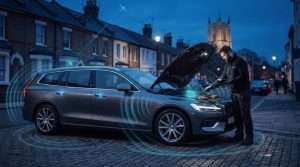
A siren is only one part of vehicle security. Choosing a car alarm means considering the protection you want and how it suits your vehicle.A... Continue reading

Car Immobiliser Fitting Shenfield: Options and Preparation Immobiliser fitting in Shenfield should start with the vehicle and the purpose of the installation. An additional immobiliser... Continue reading