
No products in the cart.
GPS Locator: 7 Essential Checks for Cars, Vans and Bikes
GPS Locator: 7 Essential Checks for Cars, Vans and Bikes
A GPS locator can help you find a vehicle, but devices differ in how they report information, receive power and support an owner after a theft. Choose around the job you need it to do: occasional location checks, business use or a monitored stolen-vehicle service. A map in an app does not establish that a tracker meets an insurance requirement.
These seven checks help UK owners compare a GPS locator for a car, van or motorcycle. They also explain why compatibility, monitoring and installation deserve as much attention as the hardware price.
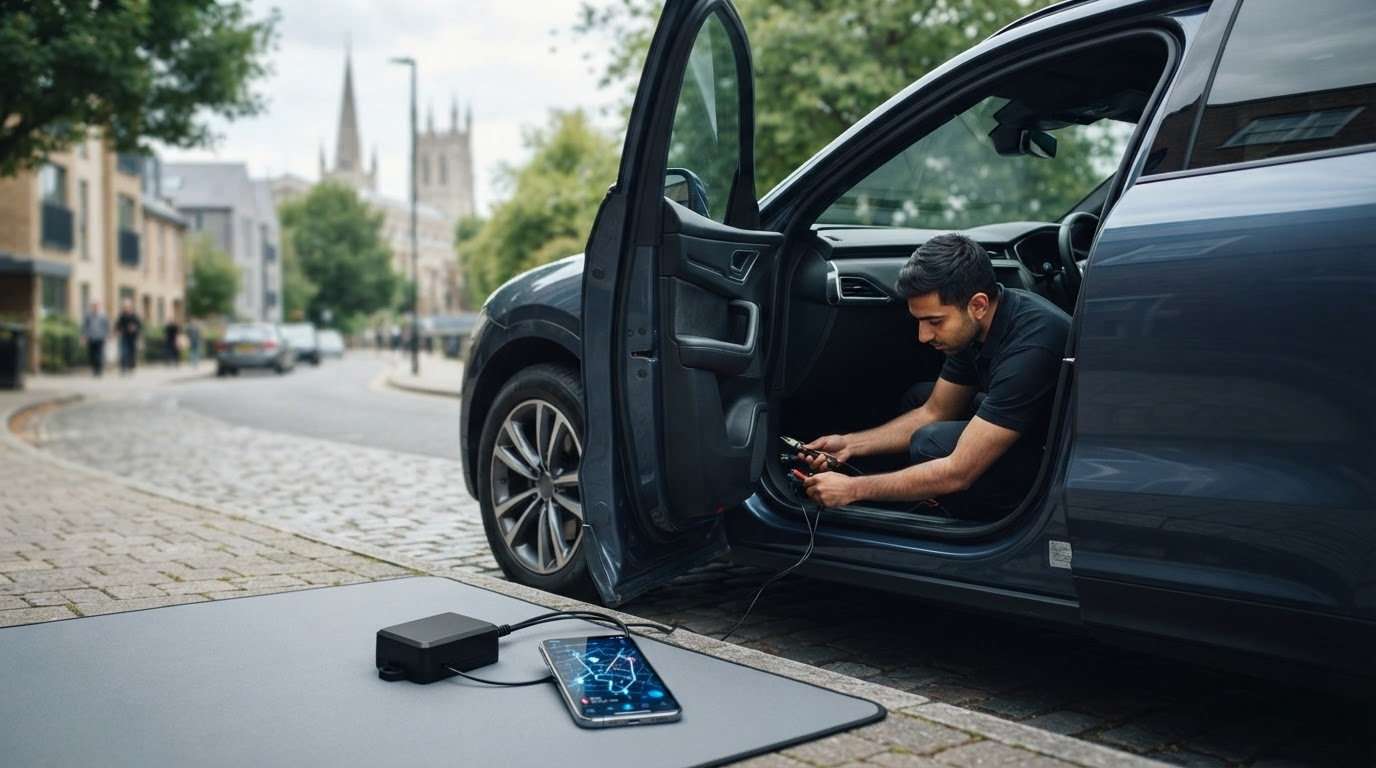
1. Decide what you need a GPS locator to do
Start with the main purpose. An owner who wants to check where a parked car is located may have different needs from a business managing several vans. An insurer requiring a certified security system introduces another set of conditions.
Write down the essential outcome before comparing products. If theft recovery is the priority, ask what service supports the device and who handles a report. If business reporting matters, ask which actual reports are included rather than assuming every tracker is a fleet system.
A GPS locator should not be described as an alarm or immobiliser unless those functions are confirmed for the exact product. Tracking helps with location; start protection and audible warnings are separate jobs. A suitable package may combine them.
| Main need | What to establish |
|---|---|
| Occasional location checks | Reporting method, app access and how current the position is |
| Stolen-vehicle support | Monitoring provider, activation and reporting procedure |
| Insurance condition | Exact accepted product, category and fitting requirements |
| Business vehicles | Included reports, authorised users and appropriate data arrangements |
2. Understand location and communication
GPS uses satellite signals to help a receiver determine its position. The tracking system then needs a way to communicate information to its service or user. Satellite reception and the device’s communication connection are different parts of the process.
Do not assume a GPS locator can always provide an immediate position. Buildings, signal blockage and receiver conditions can affect results. The time shown against a position matters: the last reported location is not necessarily where the vehicle is now.
The official GPS.gov explanation of GPS accuracy describes factors affecting positioning, including signal blockage and receiver design. It is a neutral technical source rather than a competing tracker retailer.
Ask clear questions about the app
Ask how frequently the chosen system reports under the conditions you expect to use it. Check what the app displays when information is old or the device cannot communicate. Avoid treating phrases such as “real time” as a promise of uninterrupted updates.
Some products include additional alerts or reporting modes, but these must be verified for the actual model and service. Do not transfer a feature from one product in a range to another simply because the same app name appears.
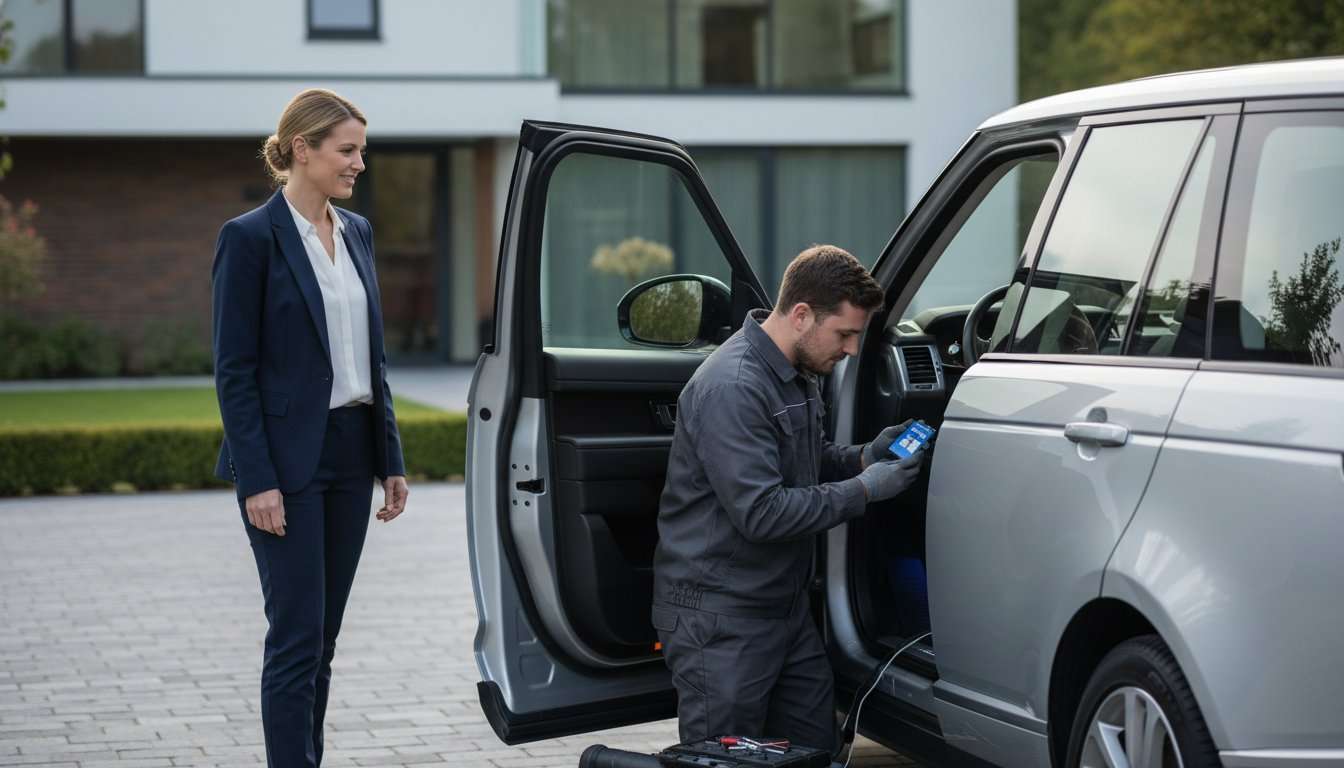
3. Check a GPS locator against your insurance
If the insurer specifies tracking equipment, obtain the wording before purchase. It may require a category, particular product, professional installation or active monitoring. Ask the insurer to confirm acceptance of the exact proposed system.
S5 and S7 are tracking-related categories with different requirements. S5 includes driver identification; do not assume an S7 system provides the same function. Neither label means every product includes immobilisation.
Independent certification and insurer acceptance are separate checks. A GPS locator that meets your own location needs might still be unsuitable for a policy condition. Keep the insurer’s written reply with the fitting and activation documents.
Compare suitable car tracking systems against those requirements. A cheaper device is not a saving if it does not fulfil the reason you need it.
Ask about deadlines and faults
If installation is urgent, tell both the insurer and installer. Do not assume an appointment booking temporarily changes the policy condition. The insurer must explain how cover applies while you wait.
Also ask what to do if the system later reports a fault. A provider can help investigate the equipment, while the insurer explains any effect on its security condition. Keep a record of the advice received.
4. Match the power arrangement to the vehicle
A GPS locator may be hardwired, self-powered or designed around another approved connection. Each arrangement has practical requirements. Ask about the actual product’s power use, maintenance and installation instructions.
For a vehicle used infrequently, explain the storage pattern before ordering. Do not assume a battery-powered device will last for a particular period under every reporting mode. Equally, a hardwired device still needs a healthy and suitable vehicle electrical supply.
Ask how low-power or battery warnings are presented and what action the owner should take. Follow the vehicle and tracker instructions. Disconnecting the vehicle battery as a general storage shortcut may affect other systems and should not be improvised.
Motorcycles need suitable equipment
Space, exposure and electrical arrangements can differ from a car. Choose a product intended for the motorcycle and confirm installation suitability. Waterproofing or weather resistance should only be claimed where the manufacturer specifies it.
Browse motorbike tracker options with the actual bike details. A compact car unit is not automatically an appropriate motorcycle GPS locator.
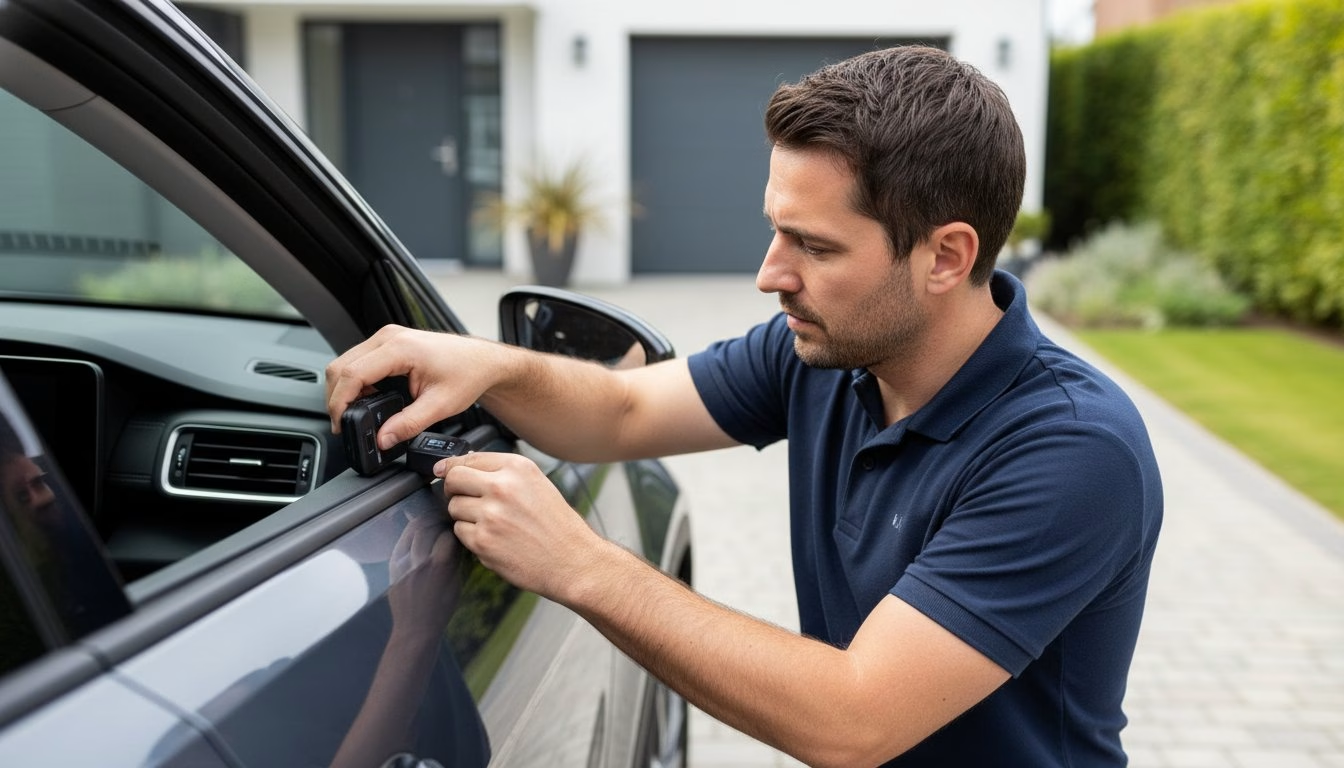
5. Compare monitoring, subscriptions and coverage
Clarify what you are buying beyond the hardware. Ask who provides monitoring, which service is included, how activation is confirmed and what the owner does if the vehicle is stolen.
Where the GPS locator uses a paid service, record the included term and renewal arrangements. Separate monitoring from any optional app or business reporting package. Obtain current charges directly rather than relying on an old blog price.
If you travel abroad, check the current country coverage for the actual device and service. Network availability and service arrangements can change. Do not assume a general claim about European coverage answers the question for every destination.
Keep the reporting procedure accessible
Store provider contact details somewhere you can reach without the vehicle. Make sure the registered contact numbers are current and any authorised drivers know the everyday operating routine.
If a vehicle is stolen, follow police and provider instructions. Do not travel to an app location to confront someone or attempt recovery yourself. A GPS locator is a source of information, not a reason to put yourself at risk.
6. Plan fitting and ownership records
Professional installation may be required by the product, certification or policy. Give the installer the make, model, year and any relevant modifications. Existing alarms, immobilisers and aftermarket electrical equipment should be mentioned.
Ask which fitting and activation documents will be supplied and how the system will be demonstrated. Do not share hidden installation locations publicly. Operating instructions and appropriate records matter more than photographs revealing concealed security hardware.
Safe & Sound Mobile provides nationwide mobile installation. Discuss your vehicle and intended GPS locator with the team to confirm suitability and appointment arrangements.
Check a used vehicle carefully
If a tracker is already fitted, ask the provider to identify the unit and explain any ownership transfer. The previous owner’s paperwork does not establish that monitoring is active for you.
Do not remove, reset or reuse an unidentified device without advice. Check ownership, transfer terms and insurer acceptance before relying on it. If a new system is needed, agree how existing equipment will be handled.

7. Choose a GPS locator for business use carefully
For vans, identify whether the need is security, operational reporting or both. A security tracker does not automatically include the reporting tools a fleet manager expects. Ask to see the specific service included in the proposal.
Consider who needs access and what information they actually need. Employee vehicle tracking can involve data-protection responsibilities, so obtain appropriate guidance and establish a clear policy before introducing monitoring.
Compare van tracking options against the business requirement. Avoid assuming that a GPS locator will reduce fuel costs, improve productivity or provide engine diagnostics unless those claims are supported for the chosen system.
A practical buying checklist
- State the main purpose and any insurer requirement.
- Record the exact model and verified functions.
- Check power, maintenance and vehicle compatibility.
- Confirm the monitoring service and activation process.
- Ask about current coverage for your destinations.
- Compare fitting, subscription and support terms.
- Keep records and contact details outside the vehicle.
A GPS locator comparison is clearer when every quotation answers the same questions. Resolve missing information before purchase rather than assuming an attractive headline price includes everything.
Frequently asked questions
Does a GPS locator prevent theft?
Its location function does not itself prevent theft. Check any separate immobilisation or alarm functions for the exact product.
Does every tracker satisfy insurance requirements?
No. Confirm the model, installation and service with your insurer.
Will it always show an exact live position?
No. Signal conditions, communication and reporting behaviour affect the information available.
Can I use the same unit on a bike and a car?
Only if the product and installation are suitable for the actual vehicle. Confirm this before buying or transferring it.
Do subscriptions matter?
Where a service requires a subscription, it must be active for that service to operate under its terms.
Can Safe & Sound Mobile advise before fitting?
Yes. Share the vehicle details, intended use and any written insurer requirement with the team.
Choose a system you can rely on and understand
The right GPS locator matches the vehicle, intended use and any insurance condition. Check the full service, power arrangements and installation, then make sure you know how to report a fault or theft.
Contact Safe & Sound Mobile for tracker advice and discuss a suitable GPS locator and professional fitting for your car, van or motorcycle.
About author
Related posts

A dash cam’s recording time depends on its memory card and video quality. For a single-camera setup, a 32GB card stores around 2 to 4... Continue reading

Does a gps tracking dash cam let you find your car if it’s stolen? Not by itself. GPS can add location and journey context to... Continue reading
Could choosing the wrong tracker category leave your insurer’s requirement unmet? The right thatcham approved tracker installation uk starts with the... Continue reading

Real-Time GPS Tracking Chelmsford: Cars, Vans and Fleets Real-time GPS tracking can help vehicle owners and businesses in Chelmsford view location information through a supported... Continue reading
Thatcham Tracker Categories: S5, S7 and Older Labels Thatcham tracker categories can be confusing if your paperwork mentions Category 3, Category 5 or Category 6.... Continue reading