
No products in the cart.
Car Alarms: 7 Essential Checks for Better UK Vehicle Security
Car Alarms: 7 Essential Checks for Better UK Vehicle Security
Car alarms can detect certain signs of interference and sound a warning, but the right system depends on your vehicle, parking arrangements and security priorities. They work best as part of a wider approach that may include an immobiliser, physical security and a tracker where appropriate. No system prevents every theft.
For UK owners comparing vehicle security alarm systems, the useful questions are practical: what does the proposed alarm detect, how do you operate it, will it work with the car and does it satisfy any insurance condition? These seven checks help you compare suitable options before arranging installation.
Car alarms, immobilisers and trackers do different jobs
An alarm detects configured events and produces a warning. An immobiliser restricts starting or driving under its authorised operating conditions. A tracker helps locate a vehicle and may be linked to a monitoring service. A package can combine functions, but the presence of one does not prove the others are included.
That distinction matters if your insurer asks for a particular type of security. Car alarms do not automatically fulfil a requirement for an S5 or S7 tracking system. Likewise, a tracker should not be described as an audible alarm or assumed to immobilise the vehicle.
| Security layer | Main purpose | Question to ask |
|---|---|---|
| Alarm | Detect specified interference and warn | Which sensors are included? |
| Immobiliser | Restrict unauthorised starting or use | How is an authorised driver recognised? |
| Tracker | Support vehicle location and recovery | What monitoring service is required? |
| Physical security | Add a visible or mechanical barrier | Is it suitable for the vehicle and daily use? |

1. Decide what you want car alarms to detect
Start with the concern you are trying to address. Unauthorised entry, an impact and lifting the vehicle are different events. Sensor coverage varies, so ask the installer to identify the actual equipment in the quotation.
Do not assume all car alarms include tilt detection, cabin protection or a separate sensor for every area. Some functions may be optional or unsuitable for a particular vehicle. A clear list of included sensors is more useful than a long list of general marketing terms.
Discuss the way you park and use the car
Tell the installer if you park on the street, in a shared car park or in a garage. Mention regular ferry travel, vehicle transport and any situation where the manufacturer’s operating instructions may require a special mode.
If you carry pets, ask about the correct procedure for cabin sensors. Never leave an animal in an unsafe vehicle environment or assume that switching a sensor off makes it safe. The purpose of the discussion is to understand the alarm’s controls and limitations.
2. Confirm compatibility before buying
Modern cars can have complex electronics and an existing factory security system. Provide the make, model, year and relevant trim details so the installer can check the proposed alarm against the actual vehicle.
Explain any existing aftermarket equipment, including trackers, immobilisers, audio upgrades or remote-start features. Do not assume two systems will integrate simply because each can be fitted individually. Compatibility should be established before the installation is booked.
For leased or financed vehicles, check any required permission for modifications with the relevant company. Ask about warranty terms with the appropriate provider. A general assurance that car alarms never affect a warranty is too broad; the product, installation and applicable terms matter.
Understand factory-remote integration
Some installations can use the vehicle’s existing controls, while others use additional remotes or identification devices. Ask how the proposed system arms and disarms and what happens when the vehicle is unlocked using a spare key.
A convenient operating method should still be explained clearly. You need to know which actions are normal, which indications show a fault and whom to contact if something changes. Avoid making wiring changes yourself to alter the behaviour.
3. Compare the exact alarm package
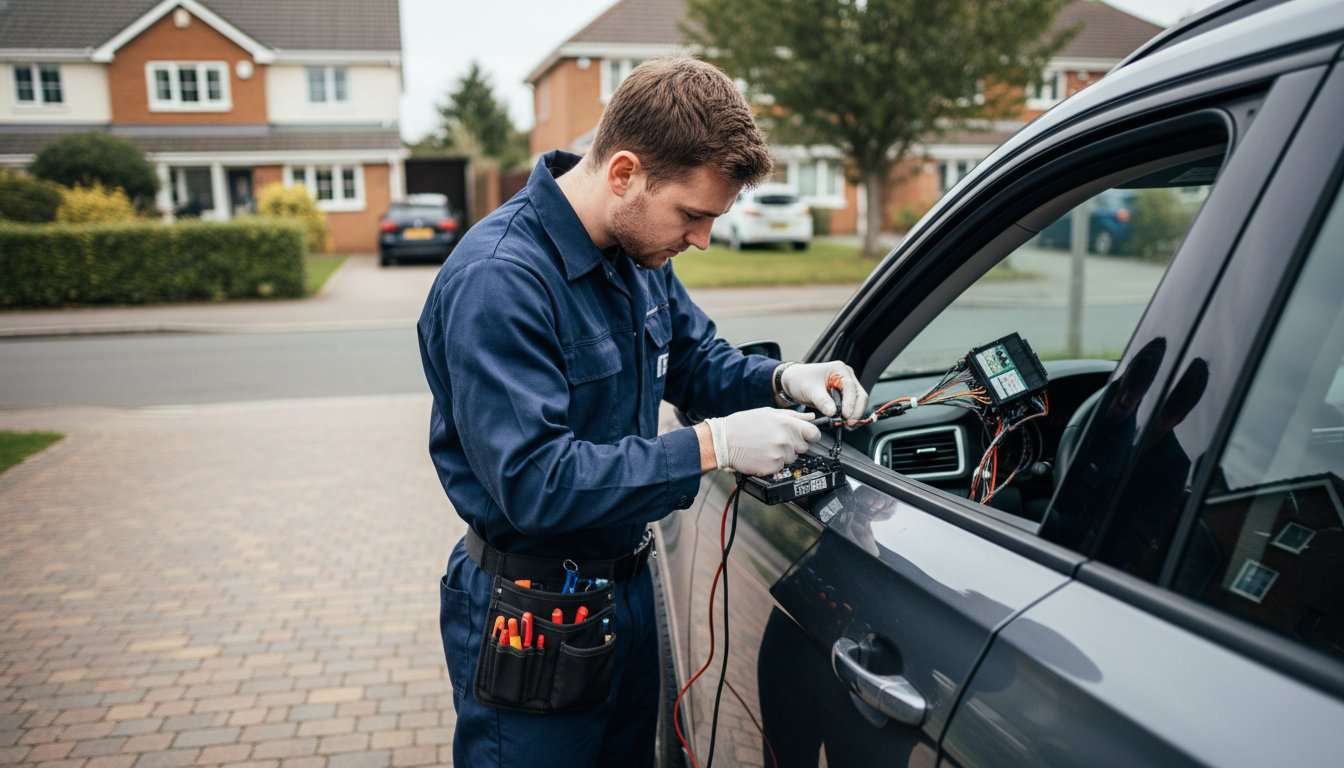
Safe & Sound Mobile offers Clifford vehicle security options and Viper security products. Compare the individual model and installed package rather than assuming every product from a brand has the same capabilities.
Ask the supplier to separate standard features from optional additions. Smartphone functions, remote notifications, tracking and remote-start equipment should only be included in your comparison if they are confirmed for the exact package and UK application.
Car alarms advertised for another market may have different specifications or support arrangements. A product name found on an overseas website is not sufficient evidence that the same configuration is offered for your UK vehicle.
Compare everyday usability
Consider how all authorised drivers will operate the system. Ask how replacement remotes are obtained, how user batteries are maintained where relevant and how the owner can identify an alarm trigger.
Useful controls are those you understand and use consistently. Extra functions can add complexity, so choose around the protection and operating routine you need. There is no universal “best” alarm for every driver.
4. Check insurance wording and certification
If your insurer specifies security equipment, ask for the requirement in writing before choosing. Confirm whether it names an alarm category, immobiliser category, tracker category or a particular product. Those terms should not be treated as interchangeable.
Thatcham Research lists Category 1 alarm and immobiliser systems, Category 2 immobilisers and Category 2-1 alarms separately from tracking categories. Check the actual product’s current certification and obtain insurer acceptance where needed.
A certified product does not guarantee a discount or recognition under every policy. Car alarms should be selected to meet the stated requirement, with the fitting and documentation requested by the insurer. Do not include an assumed premium saving in your budget.
5. Arrange appropriate professional installation
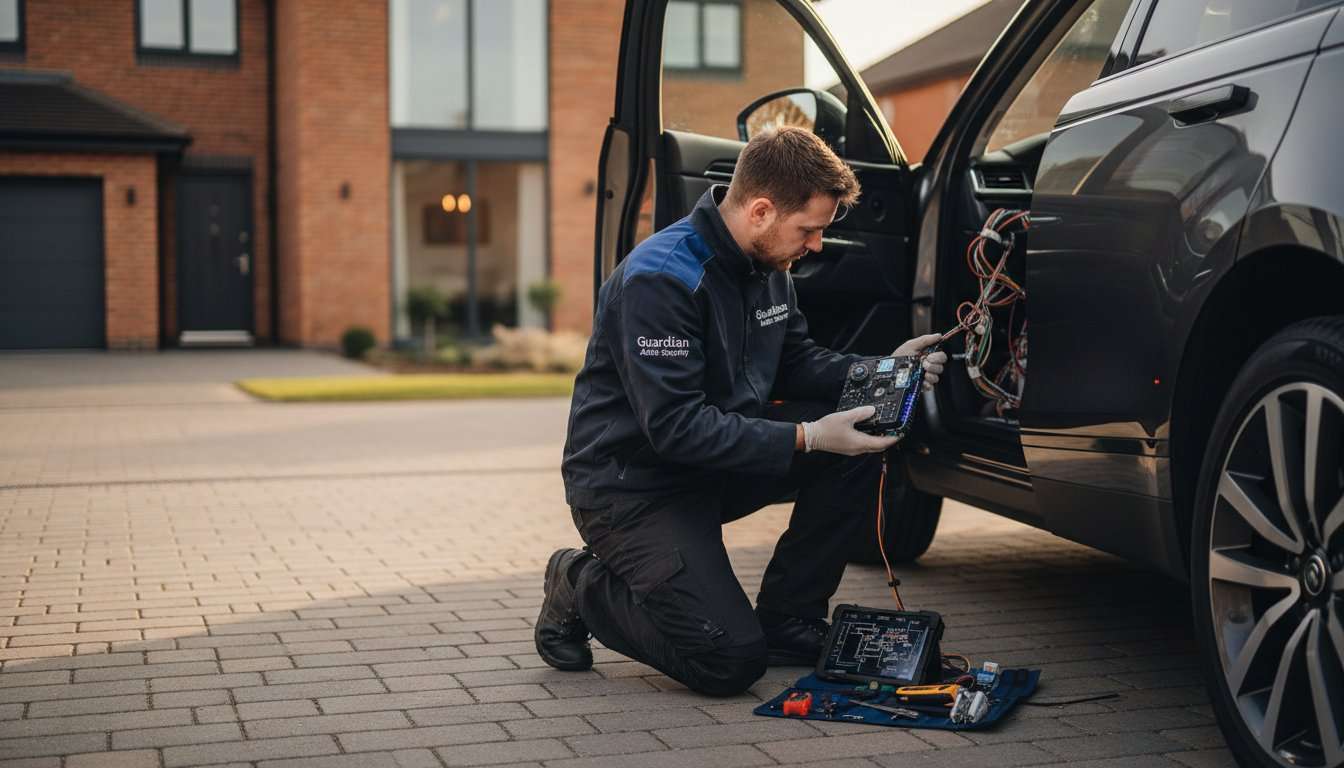
Fitting affects how car alarms interact with the vehicle and how reliably they operate. Professional installation may be required by the product instructions, certification or insurance conditions. Ask what checks and handover are included.
Safe & Sound Mobile provides nationwide mobile installation. Discuss the vehicle and chosen equipment with the team to confirm suitability, appointment arrangements and the working space needed. An installation at home or work still needs an appropriate environment.
Do not request or share hidden wiring routes in public photographs. You need operating instructions and the appropriate fitting record, not a publicly accessible map of the security installation.
What to ask at handover
- How do I confirm the alarm has armed?
- What does each normal indicator mean?
- Which special modes apply to travel or servicing?
- How should I respond to repeated unexpected triggers?
- Which documents should I retain?
- Who provides product support and installation aftercare?
Ask for a demonstration using the normal controls. Make sure any other authorised driver understands the routine too. Keep account credentials, emergency information and security codes private.
6. Build sensible layers around car alarms
Car alarms address only part of vehicle security. Depending on the vehicle and circumstances, a suitable immobiliser can add start protection and a suitable tracker can support recovery. Each layer should be chosen for its own purpose and verified compatibility.
Browse vehicle immobiliser options if restricting unauthorised starting is a priority. If an insurer asks for tracking, compare systems against its exact written condition rather than treating an alarm upgrade as a substitute.
Daily habits remain important. Lock the vehicle, check it has actually locked and keep keys secure. The Police.uk guide to preventing car and vehicle theft provides independent UK crime-prevention advice to use alongside installed security.
Do not interpret any combination as a guarantee. Car alarms, immobilisers and trackers can reduce particular risks or support a response, but their capabilities and limitations differ. Avoid promises that a package makes a vehicle impossible to steal.
7. Plan support and ongoing ownership
Ask about the warranty, who handles faults and what evidence of purchase or fitting you should keep. Where connected services are part of the package, check their current charges and renewal terms separately.
If car alarms trigger repeatedly, record when it happens and any indication the system provides. Tell the installer about recent battery work, electrical changes or damage. Do not repeatedly adjust sensor settings or disconnect equipment to silence an unexplained fault.
Follow the product’s instructions for maintenance and user-replaceable batteries. If you sell the car, ask how remotes, operating information and any associated account should be transferred. A careful handover helps the next owner use the equipment correctly.
A quotation checklist
When comparing car alarms, write down the exact model, included sensors, operating method, installation scope and support arrangements. Add insurer acceptance if relevant and separate any optional subscription or connected service.
Ask for a current written quotation. Prices depend on the equipment and vehicle, so an old generic price range is not a reliable guide to your booking. Resolve unanswered questions before agreeing the work.
Frequently asked questions
Do car alarms stop all theft?
No. They detect configured events and warn. Other security layers may be appropriate, and no system removes every risk.
Is an alarm the same as an immobiliser?
No. An alarm warns of specified events; an immobiliser restricts starting or use. Some packages combine them.
Do all car alarms include tracking?
No. Confirm any tracking hardware, monitoring service and subscription separately.
Will an alarm reduce my insurance premium?
A saving is not guaranteed. Ask your insurer about the exact product and policy before buying.
Can I keep my factory remote?
That depends on the vehicle and proposed installation. Ask the installer to explain the confirmed operating method.
Can fitting take place at my home?
Safe & Sound Mobile offers nationwide mobile fitting. Confirm the appointment and location requirements with the team.
Choose an alarm around your vehicle
The right car alarms are those with suitable detection, confirmed compatibility and an operating routine the owner understands. Compare exact packages, check insurance requirements and arrange professional fitting where needed.
Contact Safe & Sound Mobile for alarm installation advice with your vehicle details and main security concerns. The team can discuss suitable equipment and how it fits into your wider vehicle security.

About author
Related posts
Car Immobiliser Fitting Shenfield: Options and Preparation Immobiliser fitting in Shenfield should start with the vehicle and the purpose of the installation. An additional immobiliser... Continue reading
Ghost Immobiliser 3: How Ghost III Works and UK Fitting Ghost Immobiliser 3 is a common way of searching for Autowatch Ghost III, a digital... Continue reading
Van Security: 7 Essential Checks for Better Protection Van security needs to protect two things: the vehicle itself and what you carry inside it. A... Continue reading
The right car tracking system isn’t necessarily the one with the longest feature list. It’s the one that suits your vehicle, your insurer’s... Continue reading
Features, Costs and Fitting in 2026 A vehicle key no longer guarantees that only you can drive your car. Relay devices, cloned fobs, and OBD... Continue reading