
No products in the cart.
Car Tracking Systems: 7 Essential Checks for Better Security
Car Tracking Systems: 7 Essential Checks for Better Security
Car tracking systems can provide vehicle location information and, with the right service, support a response after a theft. They do a different job from an alarm or immobiliser. Understanding those differences helps you choose security that fits your car, your routine and any conditions in your insurance policy.
This guide explains seven essential checks for UK owners comparing car tracking systems. It separates verified certification from marketing language and shows which questions to ask before buying. No tracker can guarantee recovery, and no security product removes every theft risk.
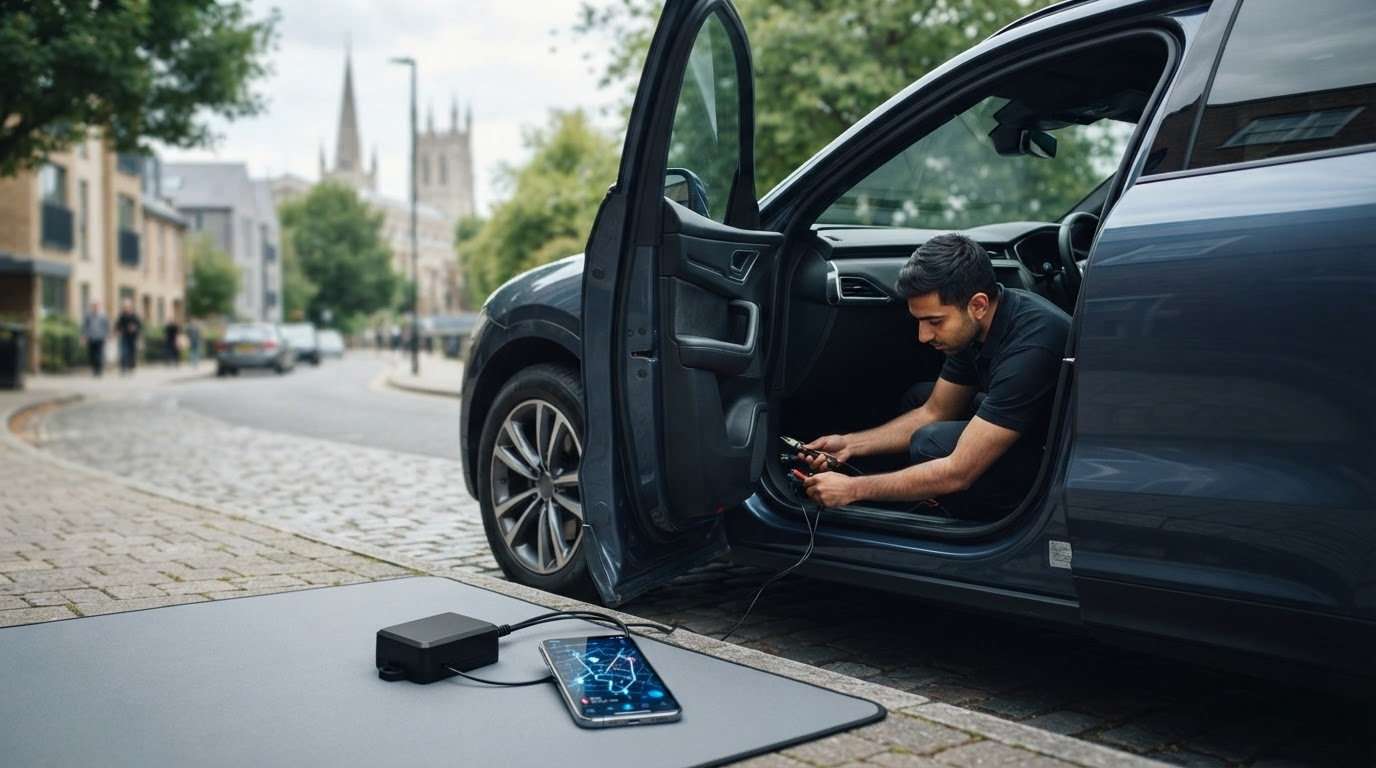
1. Understand what car tracking systems actually do
A tracking device estimates its position and communicates information to an app, online portal or service provider. Many systems use satellite positioning and a mobile network connection, but the exact technology and available features depend on the model.
Receiving a location fix and sending it to an owner are separate tasks. A device may struggle to obtain a current position inside some buildings or underground parking areas. Communication can also be affected by network coverage. A map marker should therefore be read alongside its timestamp and status.
Ask how often the product reports, what happens when coverage is lost and whether the displayed position is current or the last known location. Avoid assuming that the phrase real time means uninterrupted second-by-second reporting in every situation.
Explore Safe & Sound Mobile’s car tracker range with your vehicle details and intended use in mind. A useful comparison starts with the service you need rather than the number of features on a product page.
2. Compare car tracking systems, alarms and immobilisers
Car tracking systems primarily provide information about location and, where supported, vehicle events. An alarm detects specified triggers and can provide an audible warning. An immobiliser restricts starting or another defined vehicle function until its authorisation requirements are met.
These roles can complement one another. An immobiliser may help resist unauthorised drive-away theft, while a tracker can support locating a vehicle that has been moved. An alarm may attract attention to a disturbance. None should be described as doing all three jobs unless the particular product genuinely includes those functions.
| Security layer | Main purpose | Important question |
|---|---|---|
| Tracker | Report location and supported events | Who responds after a theft report? |
| Alarm | Warn about specified triggers | Which sensors are included? |
| Immobiliser | Control authorised starting or operation | What is the recovery procedure if authorisation fails? |
Do not infer immobilisation from a tracking category, an app screenshot or a package name. If you want a combined installation, ask the installer to identify each product and explain how they operate together. Compare the available vehicle immobilisers separately from tracking hardware.
3. Check certification for car tracking systems
Some car tracking systems are certified against a Thatcham security category. Thatcham Research lists S5 vehicle tracking systems and S7 asset location systems. Its security certification guidance is an authoritative source for understanding the categories and the purpose of certification.
Certification and acceptance by your insurer are separate checks. Ask the insurer for the exact requirement in writing, including any category, named model, monitoring arrangement and installation documentation. A general request for an approved tracker is too vague to use as a buying specification.
Compare the exact model against the certification information and obtain the insurer’s agreement before fitting. Do not assume a factory location app, a portable tag or an inexpensive plug-in device satisfies a monitored security requirement.
Look at S5 tracker options if that category is requested. Ask how driver identification works on the selected model and what all authorised drivers need to carry or do. Package names such as Plus should be explained through their actual features, rather than treated as proof of a separate certification category.
Car tracking systems do not automatically produce an insurance discount. A device may be a condition of cover, a voluntary additional measure or irrelevant to a particular premium calculation. Get a quotation and policy confirmation instead of relying on an advertised percentage saving.
4. Compare monitoring for car tracking systems
An owner app and a monitored stolen-vehicle service offer different kinds of support. With some car tracking systems, the owner checks location information and handles the next steps. Other products include a contracted monitoring service with its own procedures for alerts and theft reports.
Ask which events the service can detect, which require an owner report and how your identity is confirmed. Find out who contacts whom, what information you need and what happens if the first registered telephone number is unavailable.
Check the service hours and geographic coverage in the actual agreement. Terms such as monitored, recovery support and police liaison should have an explanation attached. They do not guarantee police attendance, priority treatment or a successful recovery.
If a vehicle is stolen, follow the provider’s process and report it to the police through the appropriate channel. Do not travel to a displayed location to confront anyone or attempt recovery yourself. Keep the police reference and provider details available for the insurer.
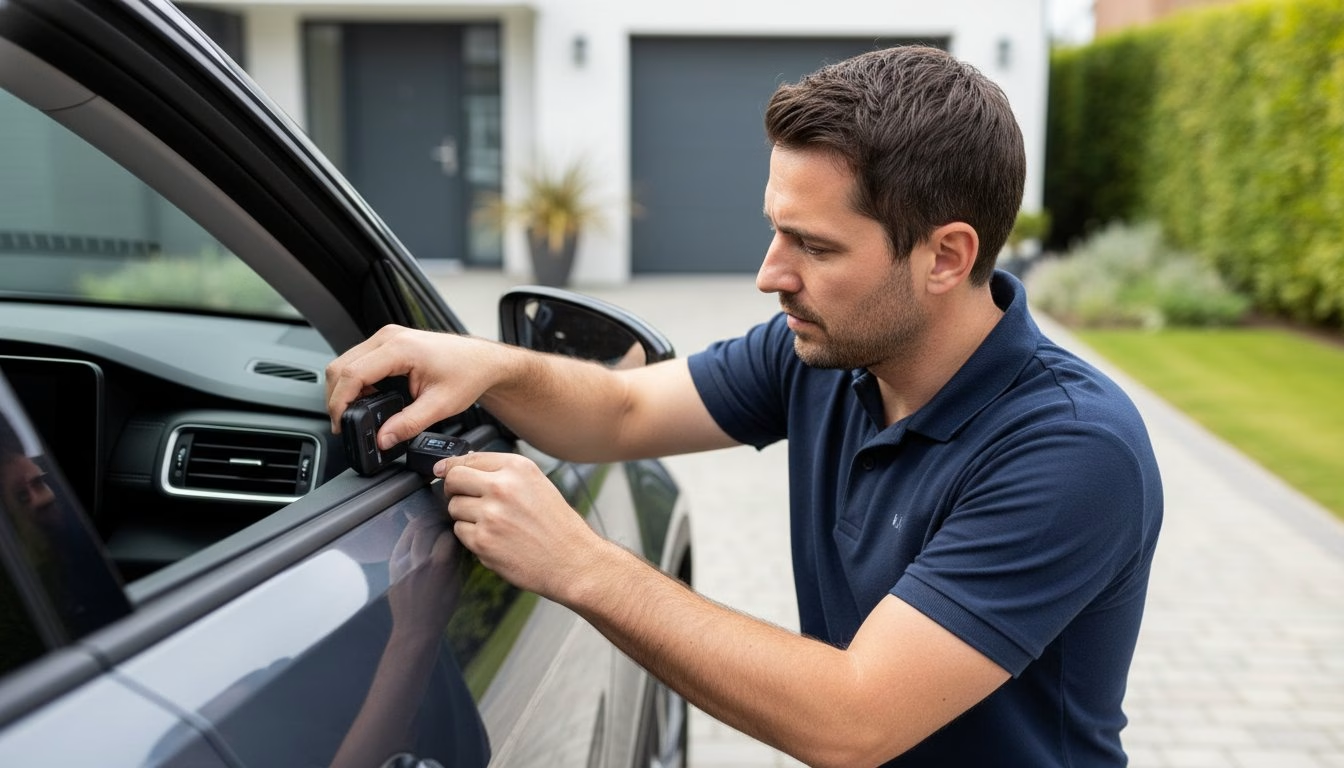
5. Check compatibility when fitting car tracking systems
Car tracking systems can be hardwired, battery powered or connected through a vehicle interface. Each arrangement has practical implications. A removable unit may be convenient for some uses, but convenience alone does not establish that it meets a security or insurance requirement.
A hardwired installation needs a suitable power arrangement and competent fitting. Ask about compatibility with the exact make, model, year and powertrain, including electric or hybrid vehicles. Do not assume that compatibility with one version covers every version of the same car.
Discuss how often the car is used and whether it is stored for extended periods. Ask about normal current consumption, low-voltage behaviour and any internal backup battery. Backup operation, battery life and charging arrangements are product-specific details that need checking.
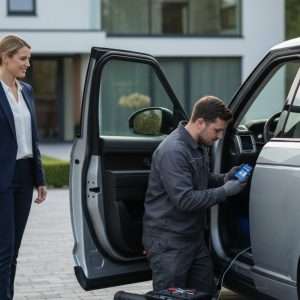
Before handover, have the installer demonstrate normal operation without disclosing concealed installation details in public material. Confirm activation, your contact information and any certificate or installation record. Avoid publishing photographs that reveal a security device’s hidden position.
6. Budget for car tracking systems and ongoing service
The purchase price is only one part of comparing car tracking systems. Request a written breakdown of hardware, fitting, monitoring, connectivity and any optional services. Ask which charges recur and what happens when an introductory period finishes.
Find out how renewal works and what service is suspended if a payment lapses. If active monitoring is an insurance condition, speak to the insurer before allowing that service to end. Do not assume the hardware alone continues to meet the requirement.
For a car with driver identification, understand the process for spare tags, additional drivers and lost authorisation items. Ask how servicing, transport and battery work should be handled. Keep the provider’s instructions somewhere accessible outside the vehicle.
Check account security as well. Use a unique password, enable additional account protection when available and review who can see location information. When selling the car, arrange the provider’s formal transfer or cancellation process rather than simply giving away an app password.

7. Choose car tracking systems around a clear brief
A good buying brief states the vehicle, its normal use, parking arrangements and the reason for fitting a tracker. Include insurer wording, expected overseas travel, storage periods and the number of authorised drivers. Businesses should also discuss staff access and appropriate use of location information.
Ask for a comparison of suitable products against that brief. The best choice is the one whose verified functions and service terms address your needs. A longer feature list is not useful if it leaves compatibility, ongoing cost or the theft response process unclear.
Before you book: a practical checklist
- Obtain the insurer’s exact requirement and confirmation of acceptance.
- Check the specific product, certification and vehicle compatibility.
- Confirm which monitoring and connectivity services are included.
- Get the installation and recurring costs in writing.
- Understand driver identification and everyday operating procedures.
- Agree what documents and demonstration you receive at handover.
- Keep theft-reporting and renewal details accessible.
Keep car tracking systems useful after installation
Handover is the time to practise the tasks you may need under pressure. Open the app with the installer, confirm that the correct vehicle is listed and check that you understand the location timestamp. Ask what the status indicators mean on your chosen system. Do not interpret an unfamiliar icon as proof that the vehicle is moving or being stolen.
Test ordinary account access before you leave and confirm the registered telephone numbers. If there is a second driver, involve them in the demonstration. They should understand any identification procedure and know whom to contact if an alert occurs. Follow the provider’s approved testing procedure rather than deliberately creating a theft event.
Keep a record of the installation date, product model, service agreement and renewal date. Store a copy of the certificate with your insurance documents. You may need those details when changing insurer, replacing the vehicle battery or arranging a transfer to another car. Avoid leaving the only copy inside the vehicle.
Review changes to your vehicle use
Car tracking systems should be reviewed when your circumstances change. Long-term storage, a different main driver or regular overseas travel can affect the questions you need to ask. Tell the provider about relevant changes and check the service terms before relying on coverage away from home.
If a car is going into a workshop or being transported, ask whether a service or transport procedure applies. Follow the instructions for the actual product. A feature available in one provider’s app may not exist in another, and a temporary setting should not be left active accidentally.
For business vehicles, decide who can see the portal and who is responsible for handling alerts outside office hours. Access should match a real operational need. Discuss the appropriate notices and data-handling arrangements before using location reports to monitor staff.
Finally, review the plan at each policy renewal. Car tracking systems are part of an ongoing service relationship, so hardware ownership alone does not answer every insurance or monitoring question. Confirm that the selected product and active service still match the requirement in your new policy documents.
Frequently asked questions about car tracking systems
Does every tracker stop the engine starting?
No. Tracking and immobilisation are separate functions. Some packages combine them, but the exact model and installation must support the claimed behaviour. Ask for a clear explanation rather than assuming it is included.
Is the location app built into my car enough for insurance?
Only your insurer can confirm acceptance for your policy. A factory app may offer useful location information without meeting a requirement for a particular certified tracker and monitoring service.
Do car tracking systems work underground?
Satellite reception and communication can be limited underground or inside buildings. Capabilities vary. Check what the product displays when it loses a signal and whether it identifies a last known position.
Will a tracker guarantee that a stolen car is recovered?
No. A tracker can support a recovery effort, but the outcome depends on circumstances, coverage, reporting and the response available. Treat guaranteed recovery claims with caution.
Can I move the system to another vehicle?
Ask the provider and installer. Transfer may involve removal, refitting, compatibility checks, account changes and revised documentation. Confirm any costs before deciding that a device can be reused.
What should I do when the subscription is due?
Check the renewal terms and whether continuing monitoring is required by your policy. Keep contact and payment information current, and speak to the provider before service is interrupted.
Conclusion: build a practical security plan
Car tracking systems are most useful when the hardware, installation and supporting service match a clear need. Confirm insurer acceptance, understand the difference between location and immobilisation, and learn the reporting process before an incident happens.
Contact Safe & Sound Mobile about vehicle tracking with your registration, vehicle details and insurer wording. The team can help you compare relevant options and arrange a suitable installation.
About author
Related posts
A dash cam’s recording time depends on its memory card and video quality. For a single-camera setup, a 32GB card stores around 2 to 4... Continue reading
Does a gps tracking dash cam let you find your car if it’s stolen? Not by itself. GPS can add location and journey context to... Continue reading
Could choosing the wrong tracker category leave your insurer’s requirement unmet? The right thatcham approved tracker installation uk starts with the... Continue reading

Real-Time GPS Tracking Chelmsford: Cars, Vans and Fleets Real-time GPS tracking can help vehicle owners and businesses in Chelmsford view location information through a supported... Continue reading
Thatcham Tracker Categories: S5, S7 and Older Labels Thatcham tracker categories can be confusing if your paperwork mentions Category 3, Category 5 or Category 6.... Continue reading