
No products in the cart.

15 Inch Subwoofer in a Box
The Ultimate 2026 UK Bass Guide
A 15-inch subwoofer isn’t just a speaker; it’s a commitment to moving air that most car boots can’t handle. You likely want that deep, physical “hair-trick” bass but worry about losing every centimetre of storage space or damaging your car’s electrical system. It’s a common concern for UK drivers looking to upgrade their audio. This guide helps you choose the perfect 15-inch subwoofer in a box to achieve massive low-end performance safely.
You will learn the technical differences between sealed and ported enclosures to find the right fit for your vehicle. We’ll also cover how to power these high-output units without blowing fuses and why professional installation is vital for protecting your car’s resale value. With the UK in-car audio market forecast to grow at 9.4% between 2026 and 2030, getting your setup right today is a smart investment. We’ll show you how to balance raw power with expert security to keep your new system safe and sound.
Key Takeaways
- Understand why the large surface area of a 15-inch driver is the best choice for deep, physical low-end extension in your vehicle.
- Learn how to choose between sealed and ported enclosures to balance sound accuracy with high-output bass performance.
- Discover how to measure your boot space in centimetres to ensure your new 15-inch subwoofer in a box fits perfectly without compromising safety.
- Identify the correct amplifier requirements by focusing on RMS power ratings rather than misleading “Max” power figures to protect your equipment.
- Learn how professional mobile installation brings expert audio and security fitting directly to your home or workplace anywhere in the UK.
Why a 15 Inch Subwoofer in a Box is the King of Bass
A 15-inch driver offers a massive leap in performance because of its larger cone surface area. Compared with smaller 10- or 12-inch models, the 15-inch driver moves significantly more air with less effort. This efficiency lets the speaker produce the deep, rolling bass notes enthusiasts crave without reaching its mechanical limits too quickly. It’s essentially the difference between a small engine working at high revs and a large V8 cruising comfortably at low speeds.
Buying a 15-inch subwoofer in a box is the most effective way to ensure the driver performs as the engineers intended. The enclosure’s internal air volume acts as a dampening force, controlling the cone’s movement to prevent distortion. If the box is too small, the bass sounds choked; if it’s too large, the driver can lose control and fail.
A matched system guarantees that the enclosure provides the right “lungs” for the driver. Understanding Subwoofer technology reveals how these design principles are vital for creating a high-output audio environment.
The physical impact is the primary reason UK drivers choose this size. You don’t just hear the music; you feel the vibrations through your seat and the vehicle floor. It creates a presence inr that smaller speakers cannot match. This “wow factor” is what separates a standard audio upgrade from a professional-grade bass system.
The “Lows” You Can Feel
While standard car speakers handle the melody, 15-inch subs dominate the 20Hz to 40Hz range. These frequencies create that famous “hair-trick” effect and heavy cabin pressure. To achieve this, the driver must move a large volume of air rapidly. Excursion measures how far the cone moves from its resting position to its maximum forward or backwards position during play.
Pre-Built vs Custom Enclosures
Purchasing a 115-inch subwoofer in a box offers a cost-effective, reliable entry into high-end bass. Professionals pre-tune these units, and they’re ready for immediate mobile installation. While custom-built fibreglass enclosures can save space by fitting into small corner gaps, pre-built MDF boxes are significantly more affordable and easier to swap between vehicles. The only real downside is their standard rectangular or wedge shape, which might not utilise every corner of a complex boot. Safe & Sound Mobile can help you select the ideal enclosure size to match your specific vehicle and listening goals.
Sealed vvsPorted: Choosing Your Enclosure Style
The enclosure is the foundation of your sound system. For a 15-inch subwoofer in a box, structural integrity is non-negotiable. Look for Medium Density Fibreboard (MDF) between 18mm and 25mm thick. High-power 15-inch drivers generate incredible internal pressure that can cause thinner panels to flex. This flexing wastes energy and introduces unwanted distortion. Beyond the build material, the internal volume is critical.
Most 15-inch drivers require between 2.0 and 4.0 cubic feet of air space to move properly. Box tuning is the final piece of the puzzle; it’s the process of designing the enclosure to resonate at a specific frequency, typically between 30Hz and 40Hz for car audio.
Sealed Boxes: For the Audiophile
If you value accuracy and “tight” bass, a sealed enclosure is the best choice. These boxes are airtight, using the internal air pressure as a spring to control the cone’s movement. This results in excellent Sound Quality (SQ) and a very fla15-inch subwoofer in a boxsealed 15 INCH SUBWOOFER IN BOX is often the only way to fit such a large driver into a standard UK hatchback without losing the entire boot. It provides a natural roll-off at low frequencies, which sounds very musical and precise. However, because the air inside resists the cone, you’ll need more juice to get loud. Understanding Amplifier power ratings is essential to ensure your amp can overcome this resistance without clipping.
Ported Enclosures: For Maximum SPL
Ported boxes are the kings of high-volume bass. They use a vent to redirect sound from the rear of the cone, which increases efficiency and Sound Pressure Level (SPL). This design makes your system sound much louder than a sealed equivalent using the same power. It’s the go-to choice for drivers who want their music to be felt from streets away. Remember that ported 15-inch enclosures are physically massive. Carefully measure your boot dimensions in centimetres before purchasing. If you’re unsure about the fit, our mobile installation service provides expert advice on-site to ensure your equipment is safe and effective.
UK Boot Space: Will a 15 Inch Box Fit Your Car?
Fitting a 15-inch subwoofer box in a UK vehicle requires careful planning. While these units deliver incredible performance, they are physically imposing compared to standard 10- or 12-inch versions. A typical single enclosure is about 50 cm high, 45-50 cm wide, and 45-50 cm deep. If you choose a dual setup, the width can easily exceed 90cm. Measure your boot space at its narrowest point, usually between the wheel arches. Many owners forget to account for the boot lip; a box might fit the floor space but be too tall to pass through the opening itself.
Modern enclosure designs often feature an “angled back.” This allows the box to sit flush against the rear seats, following the natural rake of the upholstery. This design is essential for reclaiming valuable centimetres of floor space that a purely rectangular box would waste. Always measure the height from the boot floor to the parcel shelf to ensure the box doesn’t obstruct your rear-view visibility or prevent the shelf from sitting flat.
Hatchbacks vs Estates and Vans
In a standard UK hatchback like a Ford15-inch subwoofer in a boxlf, a 15 INCH SUBWOOFER IN BOX will likely occupy the entire boot. You should be prepared to lose almost all storage capacity for shopping or luggage. Estate owners, such as those with a BMW 3 Series Touring or Audi A4, have more flexibility. The deeper floor allows for larger ported boxes while still leaving room for daily essentials. For van owners driving a Transporter or Vivaro, 15-inch subs are the go-to choice. A van’s large internal volume lets these drivers breathe properly, often delivering the best possible sound quality.
Weight and Fuel Economy Considerations
A high-quality 15-inch subwoofer paired with a heavy-duty MDF box can weigh between 30kg and 50kg. This added weight can slightly impact your car’s handling and fuel economy. More importantly, an unsecured box of this weight is a significant safety hazard. In a sharp-braked turn or accident, a heavy enclosure can become a projectile. We always recommend secure mounting using brackets or heavy-duty fasteners. For general advice on starting your project, check our guide on Car Audio Upgrades. Our mobile installation team can ensure your massive new sub is fitted safely and professionally at your home.

Powering the Beast: Amps and Electrical Requirements
A 15-inch subwoofer in a box uses a lot of electrical power. To get the best from a 15-inch driver, your amplifier must provide clean, sustained power. Many beginners make the mistake of buying based on “Max” or “Peak” power ratings printed on the packaging. These numbers are purely for marketing and don’t reflect real-world performance. Focus on the RMS (Root Mean Square) rating. This represents the continuous power the amplifier can deliver without distorting. Underpowering a large sub can cause clipping, which generates excessive heat and can eventually destroy the voice coil.
High-current systems demand high-quality connections. Always use thick-gauge Oxygen-Free Copper (OFC) wiring for your power and ground leads. While Copper Clad Aluminium (CCA) is a cheaper alternative, it has higher resistance and can’t safely handle the current a massive 15-inch setup requires. If your interior lights flicker when the bass hits, it’s a clear sign your car’s electrical system is struggling to meet the demand. If left unaddressed, this strain can eventually damage your alternator or battery.
Matching Impedance (Ohms)
Impedance measures the electrical resistance within your audio system and determines how much power your amplifier can output. Most 15-inch subwoofers come in Dual Voice Coil (DVC) or Single Voice Coil (SVC) configurations. DVC models offer more wiring flexibility. For example, you can wire a dual 2-ohm sub in parallel to create a 1-ohm load, allowing a monoblock amplifier to reach its maximum rated output. Ensure your amplifier is “1-ohm stable” before attempting this, or you risk overheating the internal components and triggering protect mode.
Supporting Your Alternator
Large audio builds often exceed a standard factory alternator’s capacity. To prevent voltage drops, consider the “Big 3” wiring upgrade. This involves replacing the factory cables between the alternator, battery, and chassis with 0-gauge OFC wire to improve current flow. For extreme setups, a secondary battery or a modern lithium power cell might be necessary to provide the required burst of energy.
Modern Class D amplifiers are highly efficient, converting more electrical energy into sound rather than heat, which helps reduce the overall load. Safety is paramount; you must install a fuse within 30 centimetres of the battery to protect your vehicle from electrical fires. If you’re unsure about the technical side of wiring, our professional car audio installation service ensures your system is powered safely and effectively.
Professional Mobile Installation: Bass Delivered to Your Door
Safe & Sound Mobile provides a comprehensive solution for UK enthusiasts. Our nationwide mobile installation service removes the logistical headache of transporting high-end equipment. A 15-inch subwoofer in a box is a significant physical asset. Lugging a 50kg enclosure to a local shop is impractical and risks damaging your paintwork or interior trim. We bring the workshop to you. Our technicians operate across the country, from Chelmsford to the furthest reaches of the UK, fitting equipment at your home or workplace. We ensure seamless integration with your existing vehicle technology, including factory head units and Apple CarPlay systems.
Expert Setup and Tuning
Professional tuning is the difference between a system that sounds great and one that fails within a week. We protect your hardware from the start. Setting the correct gain and crossover frequencies is vital for a 15-inch driver. This prevents “clipping,” a dangerous condition where the amplifier sends a distorted signal that causes the voice coil to overheat. We also address the physical challenges of such a large build.
Our team bolts down the enclosure or secures it with heavy-duty fasteners to keep it stationary during sharp turns. We conduct a thorough sweep for cabin rattles, ensuring your panels are secured, and the bass remains tight and musical.
Combining Audio with Security
A high-performance audio system is a beacon for opportunistic cri15-inch subwoofer in a boxremium 15 INCH SUBWOOFER IN BOX, you must consider the security of the entire vehicle. We are experts in both audio and insurance-approved security. Adding a Ghost Immobiliser is a proactive way to protect your new investment from theft. This system prevents the engine from starting without a unique PIN code, rendering the vehicle useless to thieves even if they have the keys. Combining these services keeps your car sounding incredible and secure. Book your mobile car audio installation today to receive professional, nationwide service from authorised dealers.
Transform Your Vehicle With a 15-inch Subwoofer in a Box: A 15-inch subwoofer in a box is the most effective way to experience physical, deep low-end extension. You now understand how to choose between sealed and ported enclosures based on your storage needs and sound preferences. Remember that matching your amplifier’s RMS output and using thick-gauge OFC wiring are essential steps to protect your car’s electrical system from strain. These massive units require precision tuning and secure mounting to perform safely and effectively in a UK vehicle.
Safe & Sound Mobile takes the stress out of your audio upgrade. Our expert technicians have decades of experience and provide a UK-wide mobile fitting service at your home or workplace. We ensure your system is perfectly tuned to prevent clipping while offering a full warranty on all professional installations. Get Expert Mobile Installation for Your Subwoofer today and enjoy high-performance audio without leaving your driveway. It’s time to feel every beat of your music with absolute confidence.
Frequently Asked Questions
Will a 15-inch subwoofer box fit in a small hatchback?
A 15-inch enclosure will generally fit in most small UK hatchbacks, but it will likely consume the entire boot space. While cars like the Ford Fiesta have enough width, the box’s height and depth are the main constraints. Carefully measure the distance from the boot floor to the parcel shelf. A sealed enclosure is often the best choice for smaller vehicles due to its more compact footprint.
What is the best box for a 15-inch sub: sealed or ported?
The best choice depends on whether you prioritise sound accuracy or sheer volume. A sealed box offers tighter, more accurate bass for audiophiles and takes up less room in your vehicle. Conversely, a ported 15-inch subwoofer in a box is significantly louder and more efficient but requires a much larger enclosure. If you want “hair-trick” levels of pressure and deep lows, ported is the industry standard for large drivers.
Do I need a separate battery for a 15-inch subwoofer?
A separate battery is usually only necessary for high-power systems exceeding 1,500W RMS. For most standard 15-inch setups, a high-quality AGM battery and a “Big 3” wiring upgrade are sufficient to maintain stable voltage. If you frequently listen to music with the engine off, a secondary power cell or a modern lithium battery becomes essential. Professional installers can test your alternator’s output to determine if your current electrical system can handle the load.
How much boot space will a 15-inch subwoofer box take up?
You should expect a 15-inch enclosure to occupy between 60 and 100 litres of internal volume. In a standard UK car, this often translates to roughly half or all of your available boot space. A single ported box is typically 50cm deep and 60cm wide, while dual setups can span the vehicle. Always leave space for amplifiers and air circulation around the port to prevent overheating.
Can I install a 15-inch subwoofer myself?
DIY installation is possible, but it’s not recommended for high-power 15-inch systems because of the complex electrical requirements. These units draw significant current and require precise tuning of crossover frequencies and gain settings to avoid equipment failure; incorrect wiring can also cause electrical fires or damage your vehicle’s factory electronics. Safe & Sound Mobile provides professional nationwide installation at your home to ensure your investment is fitted safely and performs optimally.
What is the difference between RMS and Peak power for subwoofers?
RMS power is the continuous wattage a speaker can handle safely, whereas Peak power is a momentary burst. You should always ignore the “Max” or “Peak” numbers displayed on the packaging, as they don’t reflect real-world performance. Matching your amplifier to the RMS rating of your 15 INCH SUBWOOFER IN BOX is the only way to ensure longevity. Overpowering with a distorted signal or underpowering can both blow a voice coil.
Why are my car lights flickering when the bass hits?
Flickering lights indicate that your subwoofer is drawing more current than your alternator can instantly provide. This voltage drop happens during heavy bass notes and puts significant strain on your car’s electrical components. Upgrading to 0-gauge oxygen-free copper (OFC) wiring or installing a capacitor can help stabilise the current. If the flickering persists, your system may need a more robust alternator or a secondary battery to meet the demand.
Is it worth upgrading from a 12-inch sub to a 15-inch sub?
Upgrading is worth it if your goal is to achieve deeper low-end extension and more physical impact. A 15-inch driver has about 50% more surface area than a 12-inch driver,s o it can move significantly more air. This creates a more visceral experience, with bass you feel throughout your body. However, you must sacrifice more boot space and may need to upgrade your electrical system to support the larger driver’s power needs.


About author
Related posts
Vauxhall vehicle security should match your car, your insurance policy and your daily routine. Safe and Sound Mobile helps UK owners compare immobilisers, monitored trackers,... Continue reading
Skoda vehicle security works best when protection is chosen for your exact car and the way you use it. Whether you drive an Octavia estate,... Continue reading
“Direct fit” doesn’t mean “fits every Ford”. If you’re searching for Powebass Ford Oem Direct Fit speakers, match the product to your exact vehicle,... Continue reading
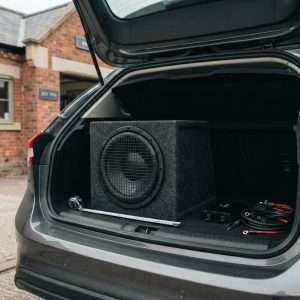
Will a Powerbass loaded enclosure fit your car and work with the stereo and amplifier you already have? A box can look right but take... Continue reading

Integrating Next-Gen Connectivity Into Your Vehicle Many older vehicles lack modern smartphone features like Apple CarPlay and Android Auto. This creates a frustrating gap between your phone’s... Continue reading