
No products in the cart.
Motorcycle Trackers: 7 Essential Checks for Better Security
Motorcycle Trackers: 7 Essential Checks for Better Security
Motorcycle trackers can help an owner or monitoring service locate a bike after it has been moved. Choosing one involves more than finding an app with a map. The device, installation and ongoing service need to suit your motorcycle, your parking arrangements and any conditions set by your insurer.
This UK guide explains seven essential checks for comparing motorcycle trackers. It covers monitored systems, owner-operated devices and the practical questions behind insurance acceptance. There is no universal best product for every rider, and fitting a tracker does not guarantee recovery.

1. Decide what you need motorcycle trackers to do
Start by separating stolen-vehicle security from convenience features. You may want a monitored theft-response service, a way to check a parked bike or a location record for your own use. These are different requirements, even if the products all display a map.
A basic location tag should not be assumed to offer the same service as a dedicated security tracker. Ask how the device determines its location, how information reaches you and who is responsible for acting on a suspected theft.
For insurance-led buying, the policy requirement comes first. Send the exact wording to the installer before selecting equipment. Brand recognition, online reviews or a retailer’s description cannot replace confirmation that the particular product and service are accepted for your policy.
Browse Safe & Sound Mobile’s motorbike tracker options with the make, model and year of your bike available. Include details of seasonal storage, overseas riding and how often the vehicle is used.
2. Compare motorcycle trackers by service type
Monitored motorcycle trackers are supported by a contracted service with defined alert and theft-reporting procedures. Owner-operated devices typically place more responsibility on you to view information and decide what to do. The exact arrangements need checking in the product agreement.
Ask whether monitoring is included in the initial purchase or needs separate activation. Confirm the service hours, geographic coverage and contact process. A claim of recovery support should explain who provides it and what the service actually includes.
| Option | Potential purpose | Key check |
|---|---|---|
| Monitored security tracker | Location reporting with a defined theft-response service | Insurer acceptance and monitoring terms |
| Owner-operated GPS device | Location information managed by the owner | Communication, alerts and response responsibility |
| Location tag | Supplementary information using its supported network | Actual limitations and suitability for a vehicle |
These categories describe how to compare motorcycle trackers, rather than a ranking of named products. Request current specifications for the models that fit your bike. Do not assume that two devices offer equivalent support because their apps look similar.

3. Confirm certification and insurance acceptance
If your insurer specifies a certified tracker, check the exact category and model it requires. Ask what installation evidence, subscription and activation conditions apply. Obtain the answer in writing before spending money.
Motorcycle trackers advertised as insurance approved still need checking against your own policy. Acceptance may depend on the selected model, fitting arrangement and active service. A product that works for another rider may not satisfy your insurer’s requirement.
Discuss the relevant S5 tracking systems or S7 tracking systems only after motorcycle compatibility has been confirmed. A category page can help you explore options, but it is not a guarantee that every listed product suits your bike.
Do not equate a tracking category with automatic immobilisation. If a system also controls starting, ask exactly how that function is supported. Similarly, a package name containing Plus needs a feature explanation rather than an assumption about certification.
No insurance saving should be treated as guaranteed. A tracker might be a condition of cover or an optional additional measure. Ask for the actual premium and policy position instead of calculating savings from an advertised percentage.
4. Understand power, storage and coverage
Motorcycles often spend periods unused, so power arrangements deserve careful attention. Hardwired motorcycle trackers and self-powered products create different maintenance responsibilities. Ask about the particular unit’s normal consumption, charging needs and low-battery indications.
Explain whether your bike is a daily commuter, a weekend vehicle or stored through winter. Discuss any approved battery-maintenance procedure with the installer and vehicle manufacturer. Do not disconnect security wiring or modify a charging arrangement without suitable guidance.
A backup battery does not mean indefinite operation. Its capacity, supported functions and charging behaviour depend on the product. Request the manufacturer’s current information and ask what happens after the main vehicle battery is disconnected.
Satellite positioning and communication are separate processes. Underground parking, buildings and network coverage can affect the information available. Check the timestamp on a map and learn how the app distinguishes a current fix from the last reported location.
For travel outside the UK, confirm the countries covered by both the hardware and the contracted service. Do not assume that an international-looking map proves active monitoring or network support everywhere you may ride.
5. Arrange suitable fitting for motorcycle trackers
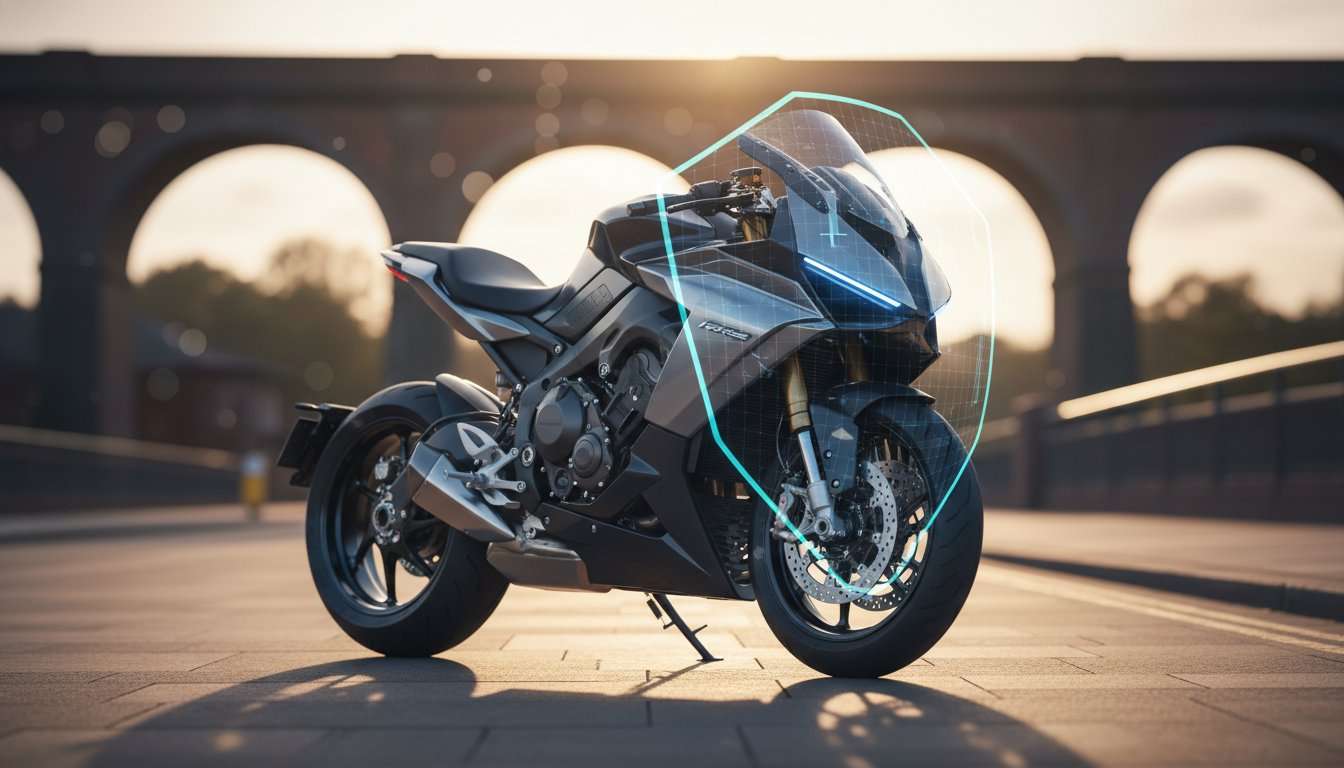
Motorcycle installation needs to account for limited space, vibration, weather exposure and the bike’s electrical system. Have the exact model and year checked. A car-compatible device is not automatically a suitable motorcycle installation.
Ask who will fit and activate the system and what documentation will be supplied. If an insurer requires a particular fitting standard, confirm that requirement before the appointment. Retain the certificate and activation record where applicable.
The installer should explain normal operation without publishing concealed security details. Avoid sharing photos that reveal the hidden device or wiring route. Public-facing images can show professional fitting and the motorcycle without giving away sensitive installation information.
At handover, check account access, vehicle identification and registered contact numbers. If the product uses driver identification, have the correct procedure demonstrated. Ask how a spare rider, lost tag, workshop visit or transport journey should be handled.
6. Compare the full cost of motorcycle trackers
Request a written quotation separating hardware, installation and ongoing service. Some motorcycle trackers have monitoring or connectivity charges, while other arrangements place different limits on the service. A headline price is not a complete comparison.
Check renewal dates, cancellation terms and what happens if payment is missed. If active monitoring forms part of an insurance condition, speak to the insurer before allowing it to end. The presence of fitted hardware does not necessarily meet an ongoing service requirement.
Ask about replacement identification items, removal, transfer and refitting if you change bikes. Compatibility and new documentation may be needed. Do not assume that buying a transferable subscription means the physical device can be moved without cost or checks.
Include your time in the comparison. Charging a self-powered unit, maintaining contact information and responding to notifications are responsibilities that need to fit your routine. Choose a system you can keep operating properly throughout ownership.
7. Use motorcycle trackers within layered security
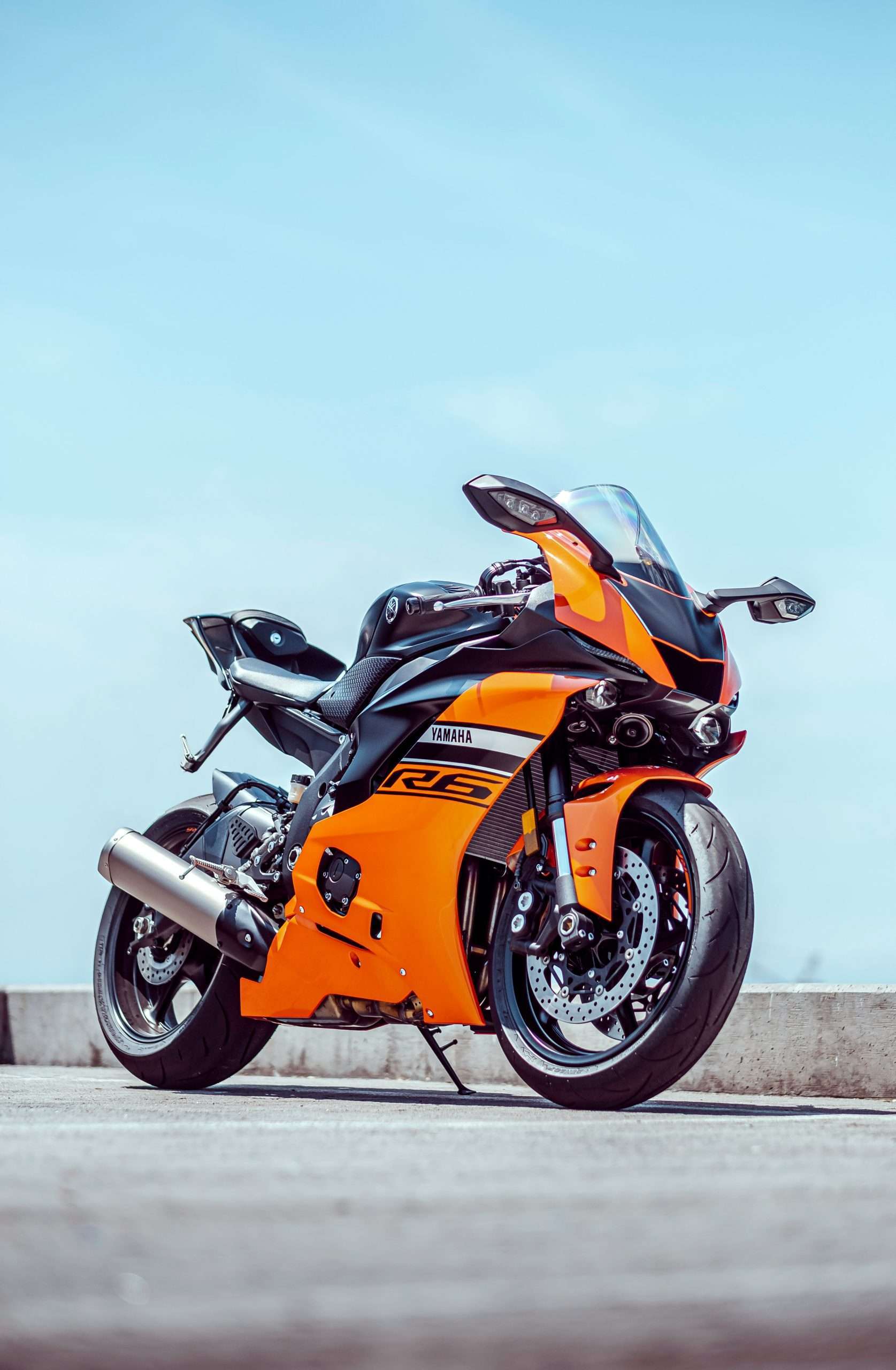
A tracker does not physically stop a motorcycle being moved. Continue using suitable locking, secure parking and other appropriate precautions. The official Police.uk motorcycle theft-prevention advice supports a layered approach with locks, a chain and a cover. It is independent police guidance rather than a competing retailer.
Discuss physical protection around the parking available to you, including a suitable fixed anchor where appropriate. Follow the lock manufacturer’s instructions and remove all riding-obstructing devices before setting off. Keep keys and authorisation items secure.
If you suspect theft, contact the police and follow the tracking provider’s reporting procedure. Keep the required reference and account details accessible outside the bike. Never follow a location marker to confront suspects or attempt recovery yourself.
Before you book: seven questions to answer
- What exact requirement has the insurer confirmed?
- Which product is compatible with this motorcycle?
- Who monitors alerts and handles a theft report?
- How are power and seasonal storage managed?
- What geographic and communication limitations apply?
- What are the fitted and ongoing costs?
- What documents and operating demonstration will I receive?
Frequently asked questions about motorcycle trackers
Which tracker is best for my motorcycle?
The right choice depends on compatibility, insurer requirements, monitoring, power and your routine. Compare suitable products against those needs rather than choosing from a general ranking.
Are motorcycle trackers always accepted by insurers?
No. Confirm the specific model, required category, fitting and service with your insurer. A general insurance-approved description does not establish acceptance for every policy.
Can I use a location tag instead?
It may provide supplementary information, but do not assume it replaces a specified security tracker or monitored service. Check its technology and limitations, then ask your insurer if relevant.
Will a tracker drain the motorcycle battery?
Power consumption varies. Discuss the selected product, battery condition and storage pattern with the installer. Ask for the correct maintenance instructions rather than relying on a universal battery-life claim.
Do motorcycle trackers stop the engine?
Not automatically. Tracking and immobilisation are separate functions. Only describe starting control as included when the exact product and installation support it.
What happens if my bike is stolen?
Report it to the police and monitoring provider as applicable, then notify the insurer. Follow their instructions, preserve relevant records and leave any recovery effort to the appropriate authorities and authorised service.
Conclusion: choose support that fits your bike
Motorcycle trackers should be compared through verified compatibility, insurer acceptance and the service behind the device. Understand power, monitoring and renewal responsibilities before installation, and keep physical security in place.
Ask Safe & Sound Mobile about motorcycle tracker fitting with your bike details and insurer wording. The team can help you compare suitable options and arrange professional installation.

About author
Related posts
A dash cam’s recording time depends on its memory card and video quality. For a single-camera setup, a 32GB card stores around 2 to 4... Continue reading
Does a gps tracking dash cam let you find your car if it’s stolen? Not by itself. GPS can add location and journey context to... Continue reading
Could choosing the wrong tracker category leave your insurer’s requirement unmet? The right thatcham approved tracker installation uk starts with the... Continue reading
Real-Time GPS Tracking Chelmsford: Cars, Vans and Fleets Real-time GPS tracking can help vehicle owners and businesses in Chelmsford view location information through a supported... Continue reading
Thatcham Tracker Categories: S5, S7 and Older Labels Thatcham tracker categories can be confusing if your paperwork mentions Category 3, Category 5 or Category 6.... Continue reading