
No products in the cart.
Tracker Insurance Discount: 7 Essential Checks for UK Drivers
Tracker Insurance Discount: 7 Essential Checks for UK Drivers
A tracker insurance discount is not automatic. Fitting a certified vehicle tracker may meet an insurer’s security condition, but that is different from receiving a lower premium. The useful answer comes from the insurer’s quotation and policy terms for your specific vehicle.
Before buying equipment to save money, confirm the accepted device, installation and ongoing service. These seven checks help UK owners assess a possible tracker insurance discount without relying on advertised percentages or assuming that certification guarantees cover.
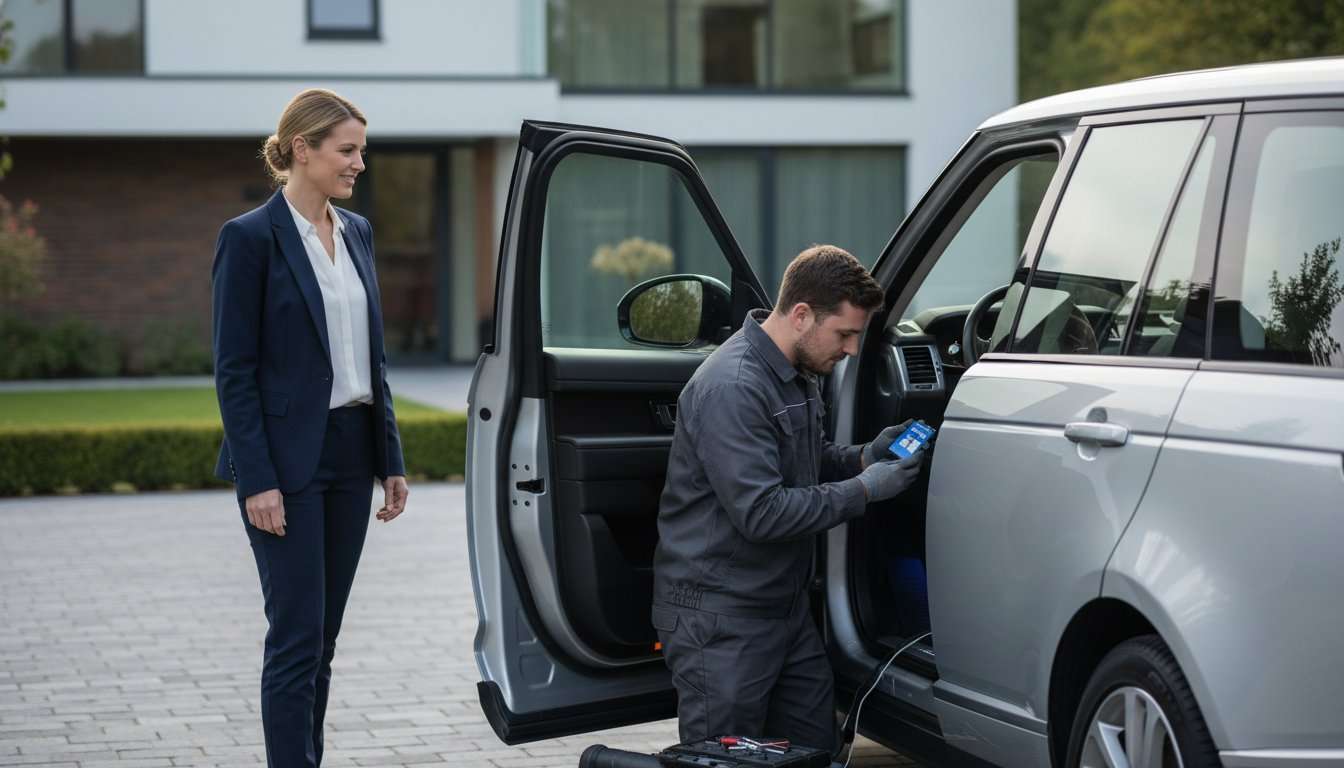
1. Ask whether a tracker insurance discount actually applies
Begin with a direct question to the insurer or broker: would fitting this exact product change the premium or any policy condition? Give the full model name and explain the proposed monitoring and installation arrangements. Ask for a written answer before booking.
A tracker can be a condition of theft cover rather than a discount trigger. In that situation, the installation may help you meet the quoted requirement without reducing the price further. Do not describe compliance with a security condition as a saving.
There may also be no change to the quotation. That does not establish that the product has no security value; it simply means you should assess the purchase for its supported function and your priorities rather than an assumed payback.
Ask whether the insurer needs further evidence before confirming a tracker insurance discount. Keep the response with your quotation so there is a clear record of what was discussed and which product was accepted.
2. Separate certification from insurer acceptance
Thatcham Research assesses security products through its certification programme. It explicitly explains that certification does not guarantee recognition by insurers. Its security certifications directory and guidance is an authoritative neutral resource for checking the distinction.
Use the specific model and current listing, rather than a logo or a broad description such as insurance approved. Different products within one brand can have different functions and certification. A similar name is not enough to confirm acceptance.
Ask the insurer which category or named system it requires. If its wording is unclear, seek clarification before ordering. Do not try to interpret an old category reference or an abbreviated product name through guesswork.
For a possible tracker insurance discount, both checks matter: the product’s verified status and the insurer’s treatment of that product. The installer can help identify equipment and documentation, while the insurer determines the policy terms.
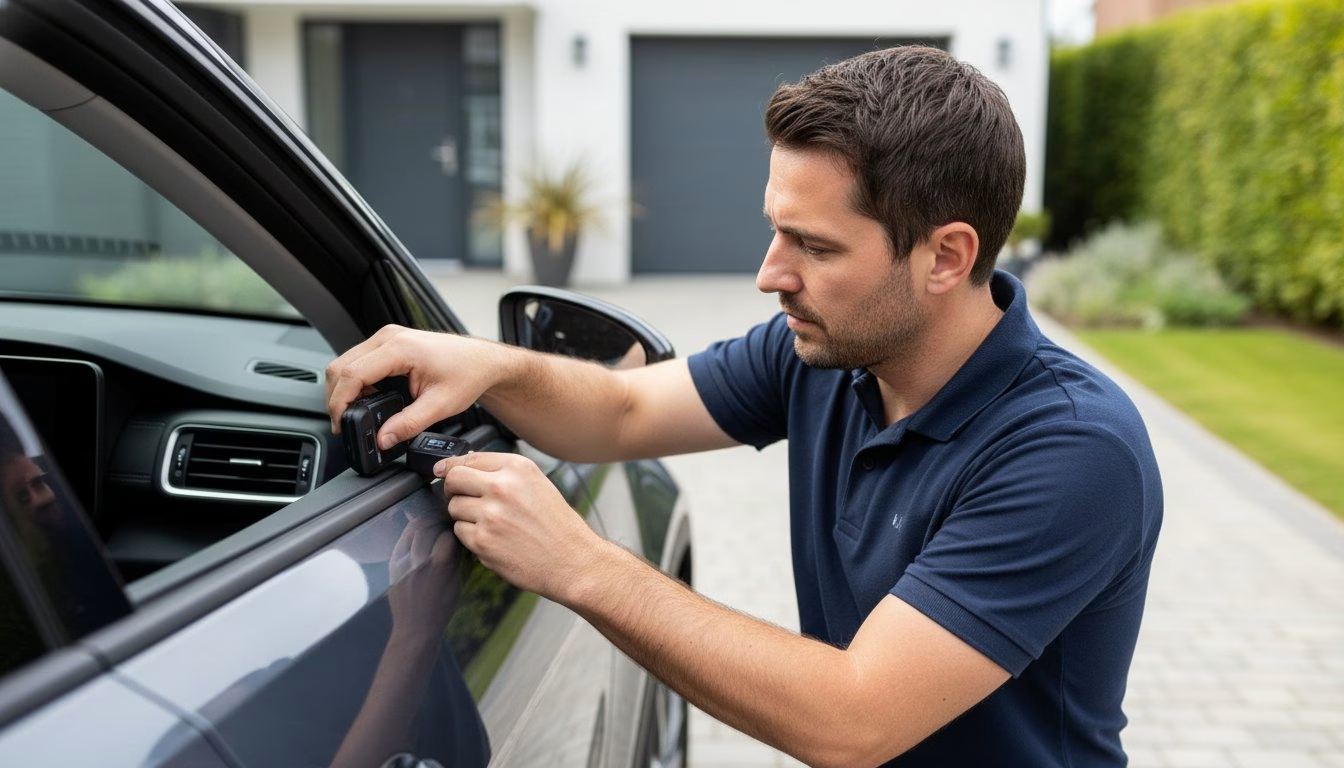
3. Choose the required tracker rather than a marketing label
Thatcham lists S5 vehicle tracking systems and S7 asset location systems. The selected model still needs to be compatible with your vehicle and accepted for the requirement. Do not assume one category is requested merely because the car has a high value.
Compare Safe & Sound Mobile’s S5 tracker options or S7 tracker options once you have the insurer’s wording. Ask the team to check the exact vehicle and explain the supporting service.
Driver identification and immobilisation are different features. A tracker should not be described as stopping the engine unless that exact model and installation support the function. Similarly, a Plus package name needs an explanation of what is actually included.
A more expensive installation does not automatically produce a larger tracker insurance discount. Buy against a verified need and compare the actual quotation, rather than assuming that additional features improve the insurer’s price.
4. Compare costs with the confirmed tracker insurance discount
Request a written breakdown of hardware, fitting and ongoing monitoring or connectivity. Check whether the quoted amount includes everything needed to operate the system in the way accepted by the insurer. Optional services should be identified separately.
If the insurer confirms a tracker insurance discount, compare the actual annual premium difference with the relevant costs. Keep the cover and other quotation details as consistent as possible. A different excess or policy benefit can make a simple price comparison misleading.
| Item to compare | Question to ask |
|---|---|
| Initial installation | What hardware and fitting are included? |
| Recurring service | What monitoring or connectivity must remain active? |
| Premium difference | What saving has the insurer confirmed for this quotation? |
| Policy terms | Have the excess, conditions or benefits also changed? |
| Future ownership | What transfer, removal or refitting costs might apply? |
A basic budget can subtract the recurring service cost from the confirmed premium reduction to show the annual difference before installation cost. This is a planning tool, not a promise that the tracker will pay for itself. Future premiums and insurer decisions can change.
If there is no confirmed saving, record that honestly. You may still choose a tracker for the location information and service it provides. That decision should stand on its security purpose rather than an invented financial return.

5. Check tracker insurance discount evidence and activation
A tracker insurance discount or security condition may depend on more than owning a device. Ask what fitting evidence, activation confirmation and continuing service the insurer expects. Have those requirements available when arranging installation.
Provide the make, model, year and powertrain to the installer, along with any relevant existing security. Explain storage periods, overseas use and the number of regular drivers. These details help establish whether the proposed equipment and service are appropriate.
At handover, confirm the vehicle details, registered contact numbers and normal operating procedure. Ask for the installation record or certificate where applicable. Store copies away from the car and send the insurer any evidence it requests through its approved channel.
Do not assume that an appointment booking proves the security condition has been met. Ask the insurer what applies before fitting and when it considers the installation accepted. Avoid relying on a hoped-for tracker insurance discount until the required checks are complete.
6. Keep the service and policy information current
Check monitoring renewal dates and the consequences of a service interruption. If active monitoring is a condition of your policy, speak to the insurer before cancelling or allowing it to lapse. The presence of hardware alone may not satisfy that condition.
Keep contact information current so the provider can follow its reporting process. Learn what to do during servicing, battery work or vehicle transport. Procedures are product-specific, and temporary settings should be used according to the official instructions.
When changing insurers, confirm acceptance again. A tracker insurance discount offered by one insurer does not bind another, and a previous policy’s category requirement may differ from a new one. Retain the product details and relevant records for these conversations.
When selling or replacing the car, ask about removal, transfer and account access. Do not give a new owner your personal account password. Use the provider’s formal process and check compatibility before planning to reuse the device.
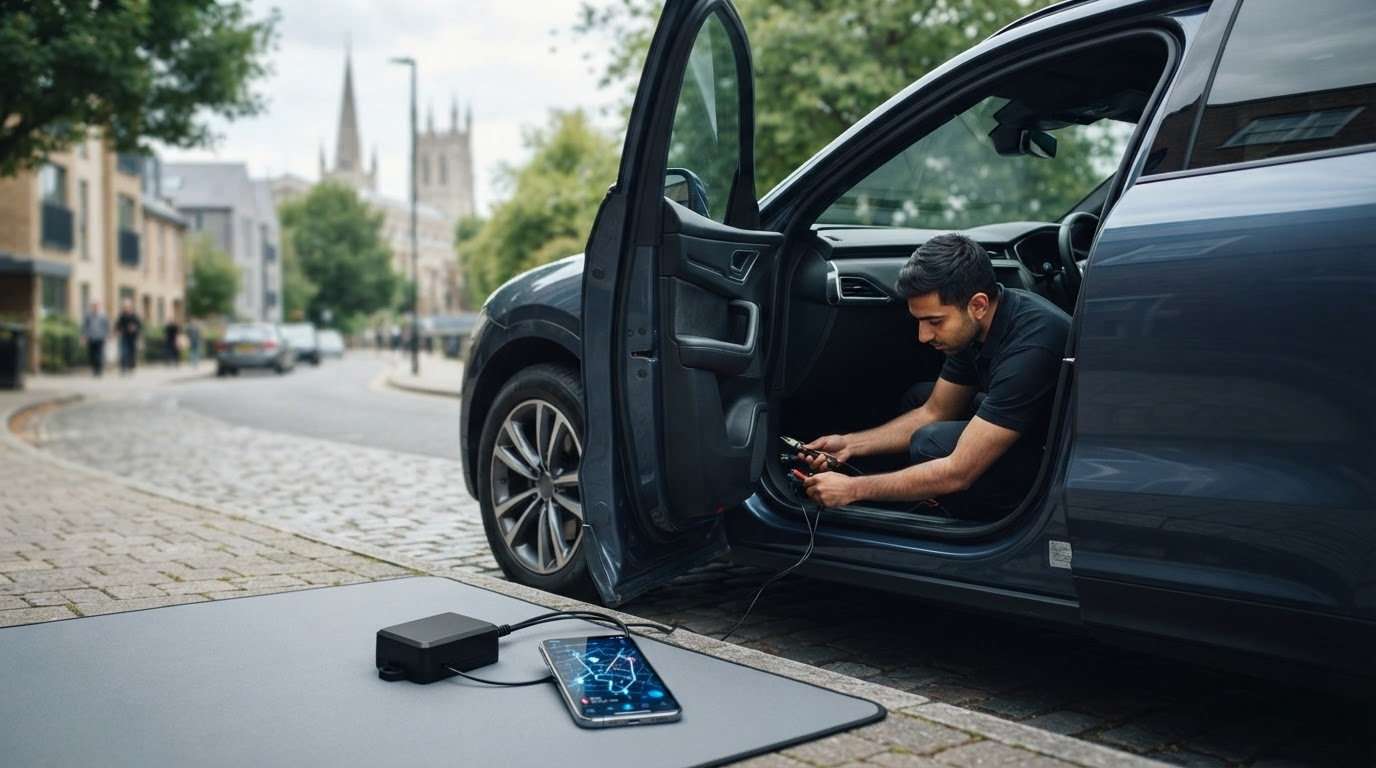
7. Evaluate the tracker beyond a discount claim
A tracker can provide useful location information and, for some products, a monitored response service. Ask who handles a theft report, what geographic coverage applies and what limitations affect reception or communication. No system guarantees recovery.
An app, certified security tracker and business reporting system should not be assumed to provide the same support. Review the car tracker range against your actual requirements, then compare the total service terms.
Keep other precautions in place. Tracking does not physically secure property inside a vehicle or replace an immobiliser automatically. If theft occurs, report it to the police and provider as appropriate; do not follow a map location to confront anyone.
A checklist before relying on a tracker insurance discount
- Get the insurer’s requirement and product acceptance in writing.
- Confirm the exact model and certification information.
- Ask whether the premium changes or the device simply meets a condition.
- Compare fitting and ongoing costs with the actual quotation.
- Check documentation, activation and monitoring requirements.
- Keep renewal details and contact information current.
- Recheck acceptance when the policy or vehicle changes.
Frequently asked questions about a tracker insurance discount
Does every certified tracker reduce insurance?
No. Certification does not guarantee insurer recognition or a premium reduction. Ask your insurer about the selected product and quotation before buying for a hoped-for saving.
Can I rely on an advertised percentage saving?
A general figure is not your quotation. Request the actual premium and conditions for your vehicle, driver details and chosen tracker. Do not budget around a maximum advertised saving.
Is a tracker insurance discount the same as meeting a policy condition?
No. A device may be required for the quoted cover without creating an additional reduction. Ask the insurer to explain both the security condition and any price effect.
Will a more expensive tracker produce a bigger saving?
Not automatically. Match the insurer’s requirement and your security needs, then check the real quotation. Additional features do not establish a larger discount.
What if the monitoring subscription ends?
Check the service agreement and speak to the insurer if active monitoring is required. Do not assume the fitted device alone continues to satisfy the policy condition.
Should I tell a new insurer about the tracker?
Give accurate product information when asked and confirm its acceptance. Keep installation records available. A previous insurer’s decision does not establish the new insurer’s terms.
Conclusion: verify the tracker insurance discount first
A tracker insurance discount should be based on a confirmed quotation, not a certification logo or sales promise. Check acceptance, fitting and ongoing service, then compare the full cost with any actual saving.
Contact Safe & Sound Mobile about an insurer-required tracker with your vehicle details and policy wording. The team can help you identify suitable equipment and installation arrangements while your insurer confirms the cover and premium.


About author
Related posts
A dash cam’s recording time depends on its memory card and video quality. For a single-camera setup, a 32GB card stores around 2 to 4... Continue reading

Does a gps tracking dash cam let you find your car if it’s stolen? Not by itself. GPS can add location and journey context to... Continue reading
Could choosing the wrong tracker category leave your insurer’s requirement unmet? The right thatcham approved tracker installation uk starts with the... Continue reading

Real-Time GPS Tracking Chelmsford: Cars, Vans and Fleets Real-time GPS tracking can help vehicle owners and businesses in Chelmsford view location information through a supported... Continue reading
Thatcham Trackers in Widford: S5, S7 and Fitting Checks Thatcham trackers for a vehicle in Widford should be chosen around the exact product, vehicle and... Continue reading