
No products in the cart.
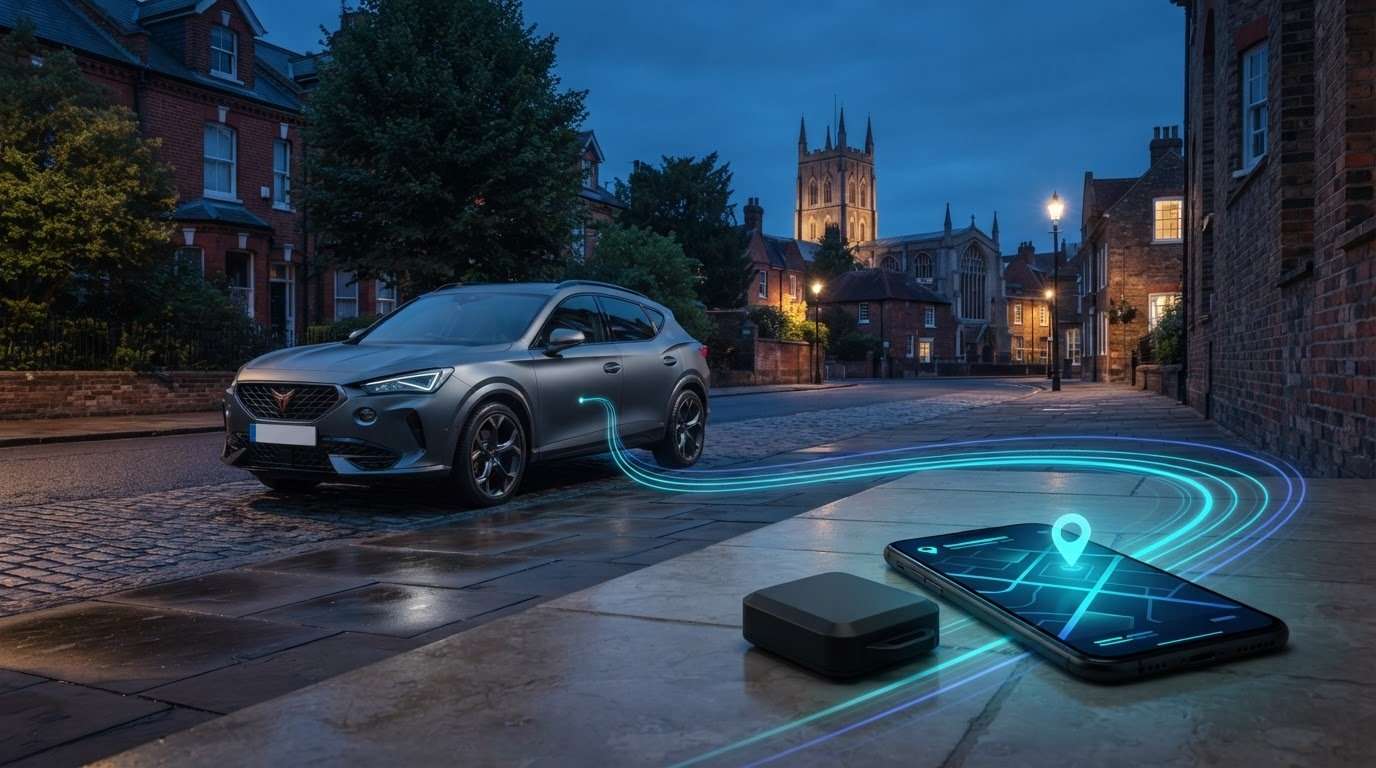
GPS Car Finder: How to Choose the Right Vehicle Tracker in 2026
How to Choose the Right Vehicle Tracker in 2026
The cheapest GPS car finder may not be the right choice for protecting your vehicle. A small locator can show you where a car is, but that doesn’t necessarily mean it offers vehicle security features or meets an insurer’s requirements. Start with what you need the device to do, then compare products against that purpose rather than choosing by price alone.
Devices differ in how they are powered, fitted and tracked, and some may involve ongoing service costs. Your insurer may also specify the type of tracker required, so check your policy before buying or booking an installation.
This guide explains how GPS car finders work and what to compare, including location updates, connectivity, fitting and subscription terms. It also covers when an insurance-approved vehicle tracker may be a better fit and what to confirm with your insurer and installer. Safe & Sound Mobile supplies and installs insurance-approved trackers, including Thatcham S5 and S7 categories, with UK-wide mobile fitting.
Key Takeaways
- A GPS car finder can help locate a vehicle, but not every locator is designed for vehicle security or theft recovery.
- Check how a device sends location data to an app or service, and what connectivity it needs.
- Compare basic locators with professionally fitted trackers by purpose, fitting, app access and insurer requirements.
- Before buying, confirm subscription terms, update frequency, alerts and ongoing service directly with the seller.
- Check your policy before choosing a tracker. Safe & Sound Mobile offers UK-wide mobile fitting for insurance-approved vehicle trackers.
What is a GPS car finder, and what can it help you do?
Finding your car in a busy car park is different from tracking it for security. A GPS car finder is a device or service that uses location data to help you locate a vehicle. Depending on its design and service, it might help you remember where you parked or support vehicle security and recovery. The name alone doesn’t tell you what it does.
Basic locator: Helps you find a parked vehicle, often through a device and its associated app or service. Check how it shares location and whether it provides updates when you need them.
Fitted vehicle tracker: Installed in a vehicle for tracking or security. Features and service arrangements vary, so check what is included and whether it meets your insurer’s requirements.
How does GPS location help you find a car?
Satellite positioning estimates a device’s location. To view that location remotely, the product also needs a way to share it with a phone app or online platform. A vehicle tracking system combines hardware and software to make location information available.
Location is not a promise of perfect accuracy. Signal conditions, setup and product features can affect what you see and when you see it. Before buying, check whether the device provides live updates, app access or alerts, and what service is needed for those features. Do not assume every GPS car finder works the same way.
GPS car finder or vehicle tracker: what is the difference?
If you mainly want to find your car after parking, a basic locator may meet that everyday need. If your priority is vehicle security or recovery after theft, consider a fitted tracker designed for that purpose. A locator isn’t automatically an insurance-approved tracker, and a product description alone cannot confirm it meets your policy conditions.
Check your insurer’s requirements before choosing a device or arranging installation. Ask which tracker category or features your policy specifies, then verify that the device and fitting meet those requirements. For more on the fundamentals, read the Vehicle Tracking Explained guide.
Safe & Sound Mobile supplies and installs insurance-approved vehicle trackers, including Thatcham S5 and S7 categories, with mobile fitting across the UK. Check your policy requirements and the tracker’s current features before choosing the right option for your vehicle.
How GPS car finders work: location, connectivity, and alerts
A GPS car finder works in stages. First, its receiver uses satellite signals to estimate the device’s position. Next, the device shares that location through a communication method or service. You can then view it in an app or online platform, or receive an alert if the product supports one. GPS provides the location estimate; it does not, by itself, send that information to your phone.
Simple location flow:
Vehicle device → location service or data connection → app, platform or alert for the user
The exact setup depends on the product. Some devices may use a mobile network to send location updates, while others have different service arrangements. Check the product details to see what is required, how often updates are sent, and whether app access or alerts are included. NASA’s How GPS works explains how satellites and receivers help determine location.
GPS, mobile connectivity, and the tracking app
GPS is the positioning element: it helps the receiver estimate its location. Mobile connectivity is one possible way to transmit that location from the vehicle to a remote app or platform. These are separate functions, and connection methods vary between products. Before choosing a GPS car finder, check how updates reach you, what network or coverage it needs, and whether app access depends on an ongoing service.
Do not assume a device will provide uninterrupted live tracking everywhere. Ask the seller to explain its connection requirements and any known limitations for your intended use.
What affects location updates and reliability?
Surroundings and signal availability can affect how well a device determines or shares its position. Setup and product design matter too. One tracker may estimate a location accurately when it updates but send updates less often than another. Location accuracy describes how close an estimate is to thedevice’ss actual position, while update frequency describes how often it provides new location information.
Check the supplier’s information before relying on a feature. Confirm the stated update intervals, what triggers alerts, how you access them and whether any conditions can delay or limit updates. If the product description is unclear, ask for specifics rather than treating “real-time” as a guarantee of continuous updates.
For vehicle security, fitting and suitability matter as much as the app experience. Safe & Sound Mobile supplies and installs insurance-approved vehicle trackers with UK-wide mobile fitting. You can view vehicle tracker fitting options, then confirm thedevice’ss features and your insurer’s requirements before choosing.
GPS car finder options compared: basic locator or fitted tracker?
Choose according to what you need the device to do. A basic locator may help you find where you parked, while a professionally fitted vehicle tracker suits security-focused needs. The Global Positioning System (GPS) provides location information, but the device’s features, fitting and service determine how that information is used. Compare those details, not just the product label.
| What to compare | Basic locator | Professionally fitted tracker |
|---|---|---|
| Use case | Finding a parked vehicle, depending on the device’s features. | Vehicle tracking for a security or recovery need, depending on the system and service. |
| Fitting | Check how the device is set up and positioned. | Installed in the vehicle by a professional. |
| App or service | Confirm how location is shared and whether an app or ongoing service is needed. | Check how you access updates, which features are included and any service terms. |
| Policy checks | Do not assume it meets a tracker requirement in your policy. | Ask your insurer to confirm the required tracker and fitting conditions. |
When is a simple car locator enough?
If your main aim is finding your car in a car park, a locator may be suitable if its features match that need. Before buying, check the setup process, how location is shared, what connectivity it needs and whether app access or other services have terms you should understand. Don’t treat a simple locator as a substitute for an insurer-required vehicle tracker.
When should you consider an insurance-approved tracker?
If your insurer requests or requires a tracker, check your policy and contact the insurer before choosing a device or booking a fitting. Only your insurer can confirm what your specific policy requires. Do not assume that a product described as “insurance approved” automatically meets those conditions.
Safe & Sound Mobile supplies and installs insurance-approved vehicle trackers in Thatcham S5 and S7 categories. These are tracker categories offered by the business, not generic labels for GPS car finders. The appropriate option depends on your insurer’s requirements. For more information on categories, see the Insurance Approved Vehicle Trackers guide.
For professionally fitted options, explore vehicle tracker fitting with Safe & Sound Mobile. Confirm your insurer’s policy requirements before proceeding.
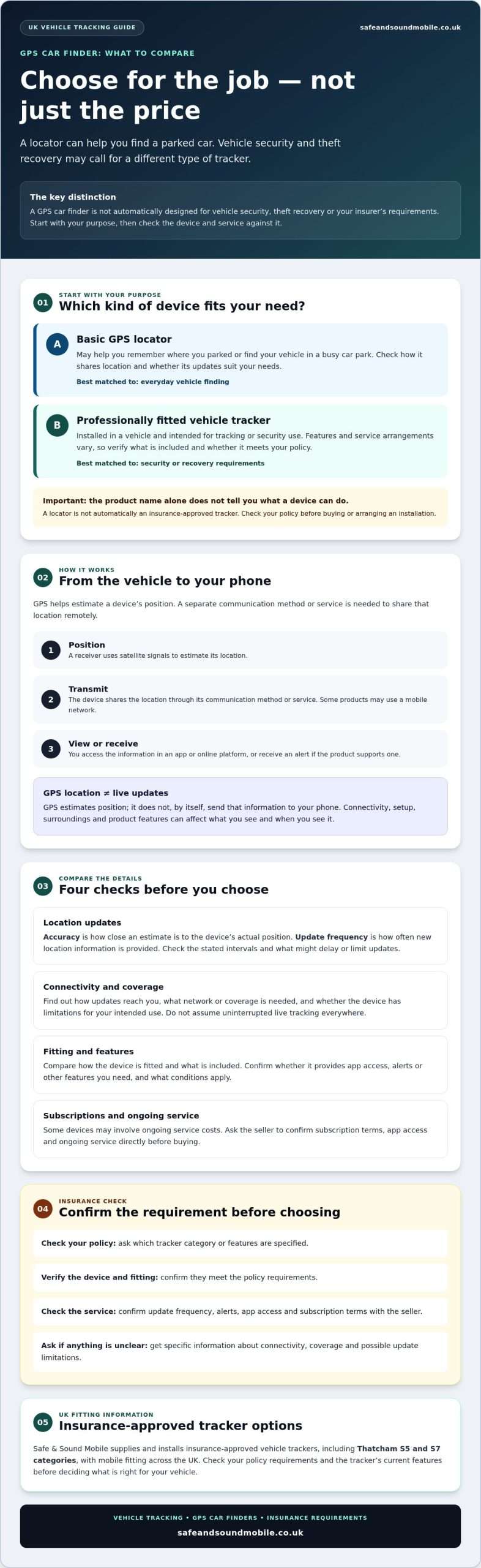
How to choose a GPS car finder in the UK: a practical checklist
Use this five-step checklist to match a GPS car finder to your needs before buying. Product names and feature lists do not replace checking the details that matter for your vehicle and, where relevant, your insurance policy.
- 1. Define the need. Decide whether you want to locate a parked car or need a tracker for vehicle security. This helps you rule out devices not designed for your purpose.
- 2. Check your policy. If your insurer asks for a tracker, ask which category or specification it accepts. Only your insurer can confirm what your specific policy requires.
- 3. Compare features. Check what location information the device reports, how you access it, how often it updates and what alerts it can provide. Verify each feature with the seller.
- 4. Confirm service terms. Ask whether you need an app, account, subscription or ongoing service. Check the current terms, including what happens if the device stops reporting its location.
- 5. Arrange suitable fitting. Confirm the device is compatible with your vehicle and understand its installation requirements before committing. If you need a fitted tracker, discuss your vehicle and policy requirements with the installer.
Questions to ask before buying a GPS car finder
Get clear answers before you buy. Ask what the device reports, how you access location information and how updates reach your phone or platform. Confirm whether connectivity, app access, account setup or a subscription is needed, and check the seller’s current service terms. Ask what support is available if the device stops reporting. Do not rely on a headline such as “live tracking” without understanding how the feature works.
Questions to ask your insurer and installer
Ask your insurer whether a tracker is required and which category or specification is acceptable. Then ask the installer whether the selected device suits your vehicle and meets your insurer’s requirements. Safe & Sound Mobile supplies and installs insurance-approved vehicle trackers, including Thatcham S5 and S7 categories, with UK-wide mobile fitting. Fitting alone does not guarantee insurer acceptance or change your policy terms, so confirm these directly with your insurer.
If you are considering a fitted tracker, ask Safe & Sound Mobile about tracker suitability for your vehicle and fitting requirements.
Get a GPS vehicle tracker professionally fitted with Safe & Sound Mobile.
The right GPS car finder depends on its purpose. A device for remembering where you parked may not be suitable if your insurer requires a vehicle tracker. Before booking, confirm the policy requirement with your insurer, then check that your chosen equipment and fitting option match it. Safe & Sound Mobile supplies and installs insurance-approved vehicle trackers, including Thatcham S5 and S7 categories, with mobile fitting across the UK.
What to have ready before requesting fitting
Have your vehicle details and relevant policy information ready. This helps you ask about suitability without assuming a particular category or product will meet your insurer’s conditions.
- Vehicle make and model: Share these details so the fitting provider can discuss whether a device suits your vehicle.
- Insurer’s requirement: Ask your insurer whether a tracker is required and which category or specification it will accept. Get this confirmed before selecting equipment.
- Questions about the service: Ask the fitting provider to confirm the device’s suitability, current availability and service terms. Check what the fitting involves and whether any ongoing service or subscription applies.
These checks clarify who can confirm what. Your insurer confirms the policy requirement; the fitting provider can discuss the device and installation. Fitting alone does not guarantee that an insurer will accept a particular tracker or change your policy terms.
Arrange professional tracker installation.
Safe & Sound Mobile offers mobile installation for vehicle trackers across the UK. Share your vehicle details and your insurer’s requirements, then confirm the suitable tracker category, current availability,y and fitting options before proceeding. The business offers insurance-approved trackers in S5 and S7 categories, but your insurer must confirm which, if either, meets your policy conditions.
Ready to discuss your vehicle and fitting requirements? Contact Safe & Sound Mobile to ask about suitable tracker options, your insurer’s stated requirements and mobile installation. Check all policy conditions directly with your insurer before making a final choice.
Choose a tracker that fits your needs.
The right GPS car finder depends on what you need it to do. A basic locator may help you find a parked car, while a vehicle tracker may suit a security need. Features and services vary, so check how location updates are shared and confirm app, subscription and fitting details with the seller.
If your insurer requires a tracker, ask which category or specification your policy accepts before choosing equipment. Only your insurer can confirm its requirements. Safe & Sound Mobile supplies and installs insurance-approved vehicle trackers in Thatcham S5 and S7 categories, with mobile fitting across the UK. The category alone doesn’t confirm that a tracker meets your policy conditions, so verify this before booking.
Ready to discuss your vehicle, insurer requirements and fitting options? Speak to Safe & Sound Mobile about vehicle tracker options and UK-wide fitting. Confirm the insurer’s requirements first, then contact the team to discuss a suitable tracker and mobile fitting.
Frequently Asked Questions
What is a GPS car finder?
A GPS car finder is a device or service that uses location information to help you locate a vehicle. Some options help you find a parked car; others are designed for vehicle tracking and security. Features vary, so check how the device shares its location, which app or service you need, and whether it suits your purpose before buying. Review the product terms too.
Can I use a GPS car finder to track my car if it is stolen?
That depends on the device and service. Some products show a vehicle’s location, while others focus on vehicle security and may have different features and installation requirements. Do not assume a basic locator will support theft recovery or meet your insurer’s requirements. Check the product details and ask your insurer which tracker category or specification your policy accepts.
Is a GPS car finder the same as an insurance-approved tracker?
No. GPS car finder is a broad term for devices or services that help locate vehicles; it does not confirm insurance approval. If your policy requires a tracker, ask your insurer which category or specification it accepts. Then check with the supplier or installer that the selected device and fitting meet the stated requirement. Your insurer is the authority on what your specific policy requires.
How does a GPS car finder show where my car is?
A GPS car finder uses positioning technology to estimate a device’s location. Depending on its design, it may then send that information to an app or service so you can view it remotely. Update frequency and app access vary. Before buying, check whether the device needs mobile connectivity, an account or a subscription, and review any stated coverage or performance limitations. Location estimates are not a promise of perfect accuracy.
Do GPS car finders need a subscription?
Some GPS car finders may require an ongoing service or connectivity arrangement; others may work differently. The terms depend on the device. Ask the seller whether you need a subscription or account, what it includes and which features depend on it. Check what happens if the service ends, including whether app access or location updates stop. Do not rely on a generic product description to confirm costs or terms.
Can a GPS car finder be fitted to any car?
Don’t assume one device or fitting method suits every vehicle. Compatibility and installation requirements depend on the product and car. Check the manufacturer’s compatibility information and ask an installer if the fitting method is unclear. If your insurer requires a tracker, confirm the acceptable category or specification with them before selecting equipment. Also ask the installer to confirm suitability for your vehicle.
How much does a GPS car finder cost?
There is no single price for every GPS car finder. The total depends on the device, its features, any ongoing service and whether professional fitting is needed. Compare the full terms, not just the initial listing. Ask the seller to explain any fitting charges, recurring fees, subscription requirements and what each covers. This helps you understand the ongoing commitment and the upfront cost.
About author
Related posts

A dash cam’s recording time depends on its memory card and video quality. For a single-camera setup, a 32GB card stores around 2 to 4... Continue reading

Does a gps tracking dash cam let you find your car if it’s stolen? Not by itself. GPS can add location and journey context to... Continue reading
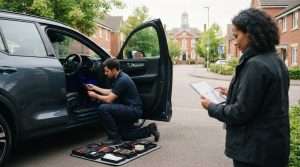
Could choosing the wrong tracker category leave your insurer’s requirement unmet? The right thatcham approved tracker installation uk starts with the... Continue reading

Real-Time GPS Tracking Chelmsford: Cars, Vans and Fleets Real-time GPS tracking can help vehicle owners and businesses in Chelmsford view location information through a supported... Continue reading
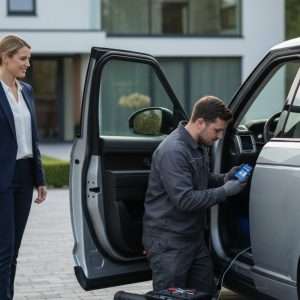
Thatcham Trackers in Widford: S5, S7 and Fitting Checks Thatcham trackers for a vehicle in Widford should be chosen around the exact product, vehicle and... Continue reading