
No products in the cart.

Cat 2 Immobiliser
Secure Vehicle Protection and Installation Guide
You want to stop thieves from driving off with your car. A Cat 2 immobiliser fits quietly into your vehicle and prevents the engine from starting unless the right coded key or tag is used. It blocks keyless hot-wiring and unauthorised starts, giving strong, Thatcham-approved protection that can lower insurance costs.
You’ll learn how Cat 2 systems work, what they protect, and what to check when buying or fitting one so you get reliable security without surprises. Practical tips on installation, standard models, and upkeep will help you pick the right unit and keep it working.
Key Takeaways
Cat 2 immobilisers stop an engine from starting without the correct coded key or tag.
Proper installation and regular checks keep the system reliable and insurance-compliant.
Compare features and fitment to choose a model that suits your vehicle and needs.
What Is a Cat 2 Immobiliser?
A Cat 2 immobiliser is an electronic device that stops your car from being started without the correct coded key or fob. It’s a Thatcham-approved security class used by insurers and fitters to reduce the risk of theft.
Cat 2 Immobiliser Features
Cat 2 systems focus solely on immobilisation; they do not include an alarm. You get a control unit, a transponder reader, and coded keys or touch fobs that use encryption to verify you. Installers often add interface modules that cause the unit to cut power to the ignition, starter motor, or fuel pump if an unauthorised start is attempted.
Thatcham approval means the device meets specific tests and can help qualify for insurance discounts in the UK. Brands like Sterling and Viper offer Cat 2 units that fit many car models. If you live in Essex, companies such as Safe and Sound Essex provide Thatcham-accredited installation and paperwork that insurers require.
How Cat 2 Immobilisers Work
When you insert or present the coded key, the transponder reader sends the key’s code to the control unit. The control unit checks the code against its stored list; if it matches, the unit allows start circuits to activate. If the code is wrong or missing, the unit interrupts a critical circuit — usually ignition, starter, or fuel — so the engine won’t crank or run.
Installation hides the unit and wiring to prevent tampering. Some Cat 2 systems log invalid start attempts and pair with vehicle diagnostics during fitting. Pairing an immobiliser with a tracker provides extra recovery assistance, which many installers, such as Safe and Sound Essex, recommend.
Installing and Maintaining Cat 2 Immobilisers
You will learn how a Cat 2 immobiliser is fitted, what upkeep it needs, and how to choose a trusted installer to meet insurance requirements and reduce theft risk.
Professional Installation Process
A certified fitter begins by checking your vehicle model and wiring layout. They will locate ignition, starter, and fuel circuit points to install the immobiliser’s two-circuit cut, often one on the starter and one on the ignition or fuel pump.
Expect the installer to use the manufacturer’s wiring harness and to secure the central unit in a hidden, dry spot. They should program or pair the touch keys or coded fobs and test that the car starts only with the correct device. You should receive an installation certificate that meets Thatcham/CAT 2 or insurer requirements.
Ask the installer to show you the override procedure and to record serial numbers. If you live in Essex, firms such as Safe and Sound Essex or other approved fitters can give mobile or workshop installs and provide proof of work for insurers.

Benefits for Vehicle Security
A Cat 2 immobiliser blocks unauthorised engine starts by cutting two critical circuits. This stops standard theft methods like hot-wiring and makes theft much harder for opportunistic thieves.
Insurers often give discounts or require Cat 2 fitment on classic cars or vehicles without factory immobilisers. The visible presence of touch keys or a fitted unit also acts as a deterrent. For older vehicles, adding a Cat 2 unit can bring security up to an insurer-approved standard.
Regular checks and visible documentation from a recognised installer strengthen your insurance position and help you claim discounts.
Choosing Trusted Installers
Choose installers listed on Thatcham or insurer-approved directories. Look for written proof of accreditation and a clear installation certificate that names the product and fit date.
Get quotes from at least three providers and compare warranty terms, on-site testing, and whether they offer mobile fitting. Check reviews and ask about experience with your vehicle make and model. If you live in Essex, confirm the installer’s local coverage; Safe and sound Essex and similar local firms can often provide faster response and regional knowledge.
Keep copies of invoices, warranty, and the installation certificate in your glovebox. These documents help with insurance and show you used a trusted, certified installer.
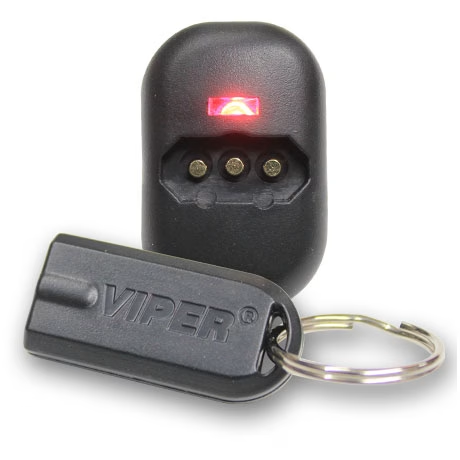
Viper 106V
The Viper 106V is a Thatcham Category 2 immobiliser designed to stop unauthorised engine starts. You use a coded touch-key or fob to start the vehicle, so thieves cannot hot-wire it or start it without the authorised device.
Installation provides up to three independent immobilisation circuits, increasing the chances that the system will block tampering. The unit supports automatic arming and includes a 4-digit PIN emergency override in case your touch-key is lost.
Key features include:
Pair of touch keys included
Automatic arming and non-volatile memory
Emergency 4-digit PIN override
Compact LED touch-key receptacle
You will appreciate that the 106V is insurer-recognised under Thatcham Cat 2, which can help meet some insurance requirements. It’s a simple, robust layer of security that pairs well with other protection measures, such as alarms or tracking.
If you need technical details or wiring info, consult the official installation manual. Professional fitting is recommended to ensure the immobiliser and vehicle wiring integrate correctly.
Scorpion Touch
The Scorpion Touch is a Thatcham Category 2 immobiliser you can fit to most cars. It works independently from your vehicle’s computer, so attacks through the OBD port are less likely to bypass it.
You disarm the system using a coded touch key. Place the key in a small dash receptacle, and the car will start. Two touch keys usually come with the unit, and a PIN override gives you a backup if you lose both keys.
Key features:
Dual-circuit electronic immobilisation for added security.
Anti-scan touch key to reduce cloning risk.
PIN override for emergency access.
The unit has no ongoing running costs for the immobiliser itself. If you pair it with a Scorpion tracker or monitoring service, you may pay a subscription fee for tracking, data, and app access. An approved fitter typically does installation and can affect insurance discounts.
You can expect a warranty with most new systems, often around two years. Check compatibility with your vehicle and confirm installation by a certified installer to keep the system effective and insurance-approved.
Scorpion Excel
The Scorpion Excel is a Thatcham Category 2 transponder immobiliser suitable for many vehicles. It uses wireless driver tags that deactivate the immobiliser when a programmed tag is nearby.
You get two driver tags with the system, so you have a spare if one is lost. The tags use unique codes, and you can program out a lost or stolen tag to keep your system secure.
The unit protects two electrical circuits to stop the engine from starting. That dual-circuit design raises the chance that a thief cannot hot-wire or bypass the system quickly.

Key points:
Passive arming: the system arms itself when you leave the vehicle.
Two transponder tags included.
Dual-circuit isolation for stronger protection.
Installation usually requires professional fitting to ensure the immobiliser integrates with your vehicle’s wiring and any existing alarms. The system works well with older cars that lack built-in immobilisers and with vehicles where you want an insurance-approved upgrade.
Safe and sound mobile
Safe and Sound Mobile supplies and fits Cat 2 immobilisers you can trust. You get Thatcham-approved options and professional mobile installation across many areas.
You can choose models like the Sterling Excel or other Thatcham Category 2 units. These systems use proximity fobs and tamper-resistant wiring to prevent hot-wiring and key cloning.
They offer in-home or workplace installation, so you do not have to visit a workshop. Mobile fitting keeps downtime low and simplifies the upgrade.
Benefits at a glance:
Thatcham Category 2 approved — meets many insurer requirements.
Mobile nationwide installation — convenient and fast.
Tamper-proof installs — wires and modules are hidden and secured.
Expect trained technicians to fit the immobiliser and explain how the fob and any override procedures work. Ask for proof of approval and a clear invoice showing parts and labour.


About author
Related posts

The tracker with the most features isn’t automatically the right choice for your fleet. For fleet tracker installation in the UK, the best fit... Continue reading

Safe & Sound — Professional Vehicle Enhancers For example, the ability to monitor your vehicle’s movements can drastically enhance safety. Essential Tracker Features A reliable... Continue reading

The most capable security GPS tracker isn’t automatically the right choice for every car. Choose one based on the protection you need, its features... Continue reading

The best car tracker GPS isn’t simply the one with the most alerts. It’s the system that suits your vehicle, installation needs, tracking... Continue reading

Scorpion tracking combines vehicle location technology with professional theft monitoring, giving owners more than a dot on a map. The Scorpion Automotive range includes S7... Continue reading