
No products in the cart.
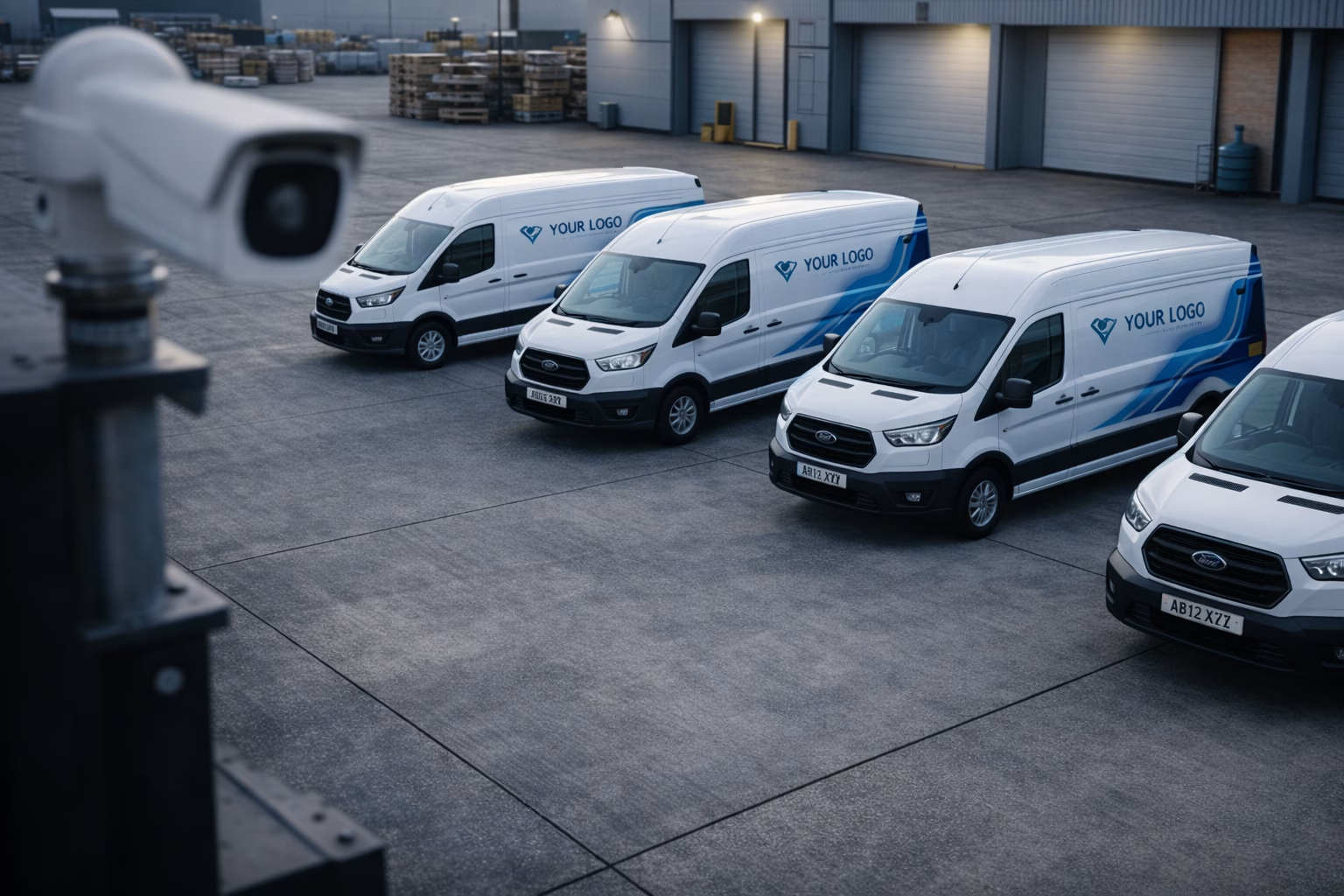
Fleet Tracker Installation in the UK
Self-Fit or Professional
The tracker with the most features isn’t automatically the right choice for fleet tracker installation in the UK. The best fit depends on the vehicles you operate, the security you need and the monitoring information that helps you manage them.
It makes sense to want dependable protection and clear visibility of your vehicles without paying for features your business won’t use. The right tracker can provide useful location and journey information, while professional installation helps ensure it is fitted appropriately to each vehicle.
This guide explains how to choose a tracker for your fleet, what monitoring features can show and what to expect from professional fitting compared with self-fit options. You’ll also learn which installation requirements matter, what can affect the work and how insurance-approved tracker categories, including Thatcham S5 and S7, fit into the decision. By the end, you’ll have a clearer basis for choosing a suitable system and planning the next step.
Key Takeaways
- Match the tracker to your vehicles and the level of visibility and security your fleet needs.
- Compare monitoring features by how useful their information is for managing day-to-day vehicle use.
- Understand the practical differences between self-fit equipment and professional installation before choosing.
- Consider how vehicle type, tracker requirements and installation needs shape the right setup for your fleet.
- Learn when an insurance-approved tracker and mobile fitting service may suit your installation needs.
What are fleet vehicle tracking systems?
A fleet vehicle tracking system combines a location device, a communications link and software. The device uses satellite positioning to establish a vehicle’s location, then sends that information to the platform. A fleet manager can view several vehicles through one account instead of checking each separately. For example, a business with service vans can see which vehicle is closest to a new job. The system’s value depends on the information it provides and how managers use it.
For vehicles travelling in the UK and Europe, coverage depends on the tracker’s communications service and the areas where vehicles travel. A vehicle may cross borders during a delivery, so the fleet manager needs to know whether location data remains available along its routes. The tracker itself does not determine where a business operates. The software and connectivity arrangement determine where the system can report. This matters for fleets travelling between the UK and Europe, as well as vehicles working mainly within one region.
Commercial vehicle tracking can help organise work across vans, cars and heavier vehicles. A fleet tracking system gives managers a shared view of vehicle positions, helping them plan dispatch and check whether a vehicle has reached its destination. Trip history adds detail to the live view, showing previous journeys and the departure and arrival times recorded by the platform. For example, a manager reviewing a delivery can compare its journey record with the planned route and investigate a delay.
Live vehicle location and trip history serve different purposes. A live map shows where a vehicle is reporting now; a journey record helps explain where it travelled earlier. Depending on the system, alerts can flag events such as movement outside an expected schedule. Managers can use these notifications to prioritise follow-up rather than watch a map continuously. Features vary between tracking systems, so choose according to your fleet’s work patterns and the decisions managers need to make.
Theft monitoring adds a security purpose to routine vehicle tracking. If a vehicle is reported stolen, its location information may help those handling the incident understand its movements. A tracker does not recover a vehicle, and location visibility does not guarantee recovery. Some security setups also include an immobiliser, a separate feature that affects whether a vehicle can be started. The tracker’s role is to provide monitoring information; the response depends on the incident and equipment fitted.
Yes. UK data-protection and workplace privacy considerations apply when tracking can identify a driver. Explain the business purpose, what information the system collects and how it will be used before monitoring begins. A clear policy helps drivers understand the difference between fleet management and personal monitoring. For example, set expectations for vehicle use outside working hours and limit access to trip records to people who need them. These decisions are part of responsible vehicle tracking, alongside choosing the technical system.
Tracker models and monitoring features
Tracker models differ in the information they collect, how often they report and which monitoring tools they include. Choose features that suit your fleet’s daily tasks, security priorities and reporting needs.
Tracker Models and Subscriptions
A tracking unit may provide location data, while a wider fleet management platform can organise vehicle records and reports. Monitoring subscriptions determine which connected services and data access continue after installation. Compare the available information, reporting frequency and subscription term with your operating needs. For instance, a fleet that needs frequent location updates may value that more than detailed vehicle-use reports.
More Fleet trackers update their live location every 30 seconds as standard. A reported customer choice describes a 3-year subscription for a tracker fitted before collecting a new car. These examples show why both update frequency and term matter. Include subscription length in your decision, alongside which staff can access the monitoring platform and how they’ll use its information.
Insurance and Theft Monitoring
Insurance-related tracker requirements depend on the terms set for the specific vehicle and cover. Insurance-approved trackers include categories such as Thatcham S5 and S7, which can help identify the type of security equipment involved. Match the requested category to the vehicle’s insurance requirements rather than assuming every tracker meets every policy condition.
Theft monitoring can combine location information with alerts, prompting a fleet manager to respond to unusual vehicle activity. It supports incident management but does not recover a stolen vehicle. Consider who receives alerts, how they’re escalated and what information can be shared with the relevant response team. These decisions connect vehicle security equipment with a practical monitoring process.
Other features can support daily fleet management. Mileage reporting can help maintain vehicle-use records, while fuel monitoring may help identify changes in consumption. Sensors can report specific vehicle conditions when supported by the tracking system. These functions vary by model, so focus on data that informs a decision. For example, a service fleet may prioritise mileage records, while a delivery operation may need location reports and driver behaviour insights.
A monitoring centre, where included in a service, can handle alerts according to the service arrangement. That role differs from a self-managed dashboard, where designated staff review notifications and decide what happens next. Check how alerts reach the right person and whether the subscription covers the monitoring function your fleet needs. For a suitable security setup, explore insurance-approved vehicle tracker options alongside the monitoring features you’ve identified.
Set priorities before choosing a model: theft response, live location, mileage, fuel data or driver behaviour. Then compare trackers against those needs, their subscription terms and any insurance category required for each vehicle. A feature list is useful only when it supports a clear fleet decision.
Fleet security, efficiency and operating costs
A fleet tracking solution can support security and operational decisions, but its value depends on the information and services selected. Assess device features, installation needs and ongoing monitoring together.
Fleet Tracking Costs
Tracking costs can include equipment, fitting, software access and an ongoing monitoring subscription. The price depends on the requirements and is provided after a quote request. Cost factors include the number and type of vehicles, tracker features, installation requirements and subscription terms. A basic location requirement differs from a setup with extra reporting or security functions.
Compare the whole solution, not just the device. One fleet may need location records for dispatch, while another needs theft alerts and insurance-approved equipment. These requirements affect which solution is suitable and what installation involves. A clear specification connects the quote to how the fleet will actually use the system.
Security and efficiency are linked, but tracking does not guarantee either a recovery or a saving. According to Tracker, its UK stolen-vehicle recovery success rate is 95%. Tracker also reports that 50% of stolen vehicles are recovered within 4 hours, and 80% within 24 hours. These figures describe Tracker’s reported results, not a guaranteed outcome for an individual vehicle or fleet.
Location information can help a business respond to a reported theft. A manager can share available vehicle details with the appropriate responders and follow the incident through the tracking platform. Where an immobiliser is part of the security setup, it serves a separate purpose from location monitoring. The equipment, alert process and people responsible for responding all shape how the system supports vehicle security.
Operational benefits also depend on using reports consistently. A manager could review mileage records when planning vehicle use or compare journey patterns to identify avoidable trips. Fuel or sensor data may help investigate a specific operating issue when supported by the chosen equipment. Tracking data informs decisions; it does not automatically reduce fuel use, maintenance needs or staff time.
Cost Assessments and Quotes
A useful assessment starts with your fleet’s vehicle types, security priorities and reporting needs. It should also account for where vehicles travel, how each tracker will be fitted and which staff need access to monitoring information. For example, mixed fleets may need different equipment or installation arrangements for cars and commercial vehicles.
Review a quote by separating the equipment, installation and subscription costs. Confirm which monitoring functions are included and whether the proposed setup meets any vehicle-specific insurance requirement. This makes it easier to compare solutions by scope rather than headline features alone.
For a practical cost assessment, first define the outcome you need: improved visibility, theft monitoring, mileage records or a combination. Then match the tracker, fitting plan and subscription to that purpose. This keeps fleet security and operating costs tied to a clear business need.

Self-fit and professionally installed fleet trackers
Self-fitting and professional installation suit different fleet requirements. A self-fit model may appeal when it is designed for straightforward placement, while a hardwired tracker generally needs suitable vehicle access and electrical integration. The right choice depends on the tracker’s instructions, vehicle type and any installation conditions linked to insurance. For example, a mixed fleet of vans and cars may need different fitting arrangements.
Self-installation can give a fleet manager control over fitting schedules, but the installer must follow the model’s instructions. Poor placement or an incomplete setup can affect how a device reports, so the installation process matters as much as the tracker choice. A fleet without in-house technical expertise may prefer an engineer to fit and test the equipment. Professional fitting can also help keep the process consistent across vehicles.
Professional installation is useful when a tracker needs to be hardwired, positioned carefully or integrated with vehicle security equipment. An engineer can assess the vehicle, fit the unit and check its operation before handover. For a commercial fleet, this can make it easier to plan fitting around vehicle availability. A mobile service brings installation to the vehicles’ location, reducing the need to move each one elsewhere.
Delivery and fitting are separate parts of the process. A device delivered to a business still needs installation, activation where required and access to its monitoring platform. With professional fitting, the work can be scheduled around the vehicles and system requirements. For example, a fleet manager can group vehicles at one site, provide their details and agree which units need fitting first.
Insurance conditions can also affect the decision. If a policy requires an approved tracker or a particular installation arrangement, a self-fit device may not meet that condition. The relevant requirement is the one that applies to the vehicle and its cover, not a general assumption about tracker models. Confirming the requirement before fitting helps avoid choosing equipment that does not meet it.
Consider what happens after installation, too. Drivers need to know how tracking is used, who can access vehicle information and how alerts are handled. For example, a fleet policy can explain whether monitoring applies during work journeys and how driver behaviour data supports fleet management. Set expectations before tracking starts, then ensure the selected system and installation method support its intended use.
Choose self-fitting only when the equipment is designed for it and the fleet can manage installation and setup. Choose professional fitting when vehicle access, wiring, insurance conditions or consistent installation across several vehicles make expertise valuable. A clear plan should identify the tracker model, vehicle list, fitting location, monitoring needs and person responsible for system access. This gives every vehicle a defined route from delivery to operational use.
Fleet tracker installation requirements
For fleet tracker installation in the UK, the vehicle, tracker type and insurance requirements shape the fitting plan. The installer also needs to position and test the equipment so the vehicle tracking system reports accurately.
Installer Requirements for Insurance
There is no single installer rule that applies to every vehicle insurance policy. Whether an insurer requires a Thatcham-approved installer depends on the policy terms and the tracker category required for that vehicle. Thatcham S5 and S7 identify tracker categories, but the category alone does not establish who must install it. Match the equipment and fitting arrangements to the vehicle’s specific insurance conditions.
For a fleet, record the requirement for each vehicle before arranging work. A company car and a commercial van may have different policy terms, so apply the relevant condition to each.
Installation Time
Installation time depends on the tracker design, vehicle access and fitting complexity. A plug-in unit and a hardwired tracker involve different work, while a commercial vehicle may need a different fitting approach from a car. Fleet size also affects the overall schedule because each vehicle must be available for installation and checks.
There is no single duration that applies to every installation. The vehicle type, equipment and required system testing determine how long the work takes. For several vehicles, scheduling also depends on their location and availability.
Installation Process by Tracker Type
A hardwired tracker connects to the vehicle’s electrical system and needs a suitable position. The installer completes the connection and tests the tracking system. A plug-in tracker uses a compatible vehicle connection, so the installer checks that the unit and vehicle match, then confirms that the device reports as expected.
A battery-powered tracker needs a secure, suitable position and a check of its power status. Follow the model’s instructions during installation. In each case, the engineer should verify that the device communicates and provides accurate location information before the vehicle returns to driving duties.
Planning fleet tracker installation in the UK also means coordinating vehicle access and fitting arrangements across the fleet. A clear schedule helps minimise disruption to vehicle use.
Risks of Incorrect Installation
Incorrect placement can weaken location reporting or make a tracker easier to find and interfere with. A poor electrical connection on a hardwired device can also affect its operation. If installation fails to meet an insurance condition, the equipment may not satisfy the requirement for that vehicle. Model compatibility, fitting quality and post-installation testing all matter.
A clear handover helps prevent avoidable problems. The fleet manager should receive an explanation of system access, alerts and operating instructions. For mobile tracker installation, arrange fitting that accounts for the tracker type, vehicle requirements and final system checks.
Safe & Sound Mobile: Insurance Approved Vehicle Trackers
Safe & Sound Mobile supplies insurance-approved vehicle trackers and provides mobile installation for vehicles. Its tracker options include Thatcham S5 and S7 categories, alongside advanced electronic immobilisation systems. Professional fitting can suit fleet managers who want equipment installed and tested without organising a self-fit across their vehicles.
The right setup depends on each vehicle’s security needs and any tracker conditions attached to its insurance. Share your vehicle types, required category and preferred fitting arrangements to define the installation. Safe & Sound Mobile provides insurance-approved trackers and mobile fitting to suit these requirements.
Contact Safe & Sound Mobile to discuss fleet tracker installation uk.
Plan Your Fleet’s Next Step
Turn your tracker decision into a practical installation plan. Set out which vehicles need fitting, each vehicle’s security requirements and how the fleet will use monitoring information. For a phased rollout, identify the vehicles that need attention first and plan around their availability. This gives the installation team a clear starting point and keeps the chosen equipment aligned with your operational priorities.
For fleet tracker installation in the UK, Safe & Sound Mobile supplies insurance-approved vehicle trackers and immobilisers, with mobile installation across the UK. It also supplies car audio systems. Discuss your vehicle requirements and fitting needs to plan an installation that suits your fleet.
Share the vehicle types, tracker requirements and preferred fitting arrangements when you get in touch. Contact Safe & Sound Mobile to discuss fitting, and move forward with a clear plan for your fleet.
Safe & Sound Mobile offers mobile tracker installation
Safe & Sound Mobile professionally fits insurance-approved Thatcham S5/S7 vehicle trackers and advanced immobilisers such as the Ghost, with a mobile installation service.
If you need fleet tracker installation in the UK, contact Safe & Sound Mobile to discuss fitting insurance-approved trackers to your vehicles.
Frequently Asked Questions
Which car tracker do I need?
Choose a tracker that meets your vehicle’s insurance requirements and suits how you use it. For example, if your insurer specifies a Thatcham category, match the tracker to that requirement rather than choosing on features alone. Consider whether you need theft-focused security, fleet location information or both. The right model depends on the vehicle, policy conditions and useful monitoring functions.
Car Trackers: How Do I Arrange My Car Tracker Installation or Delivery?
To arrange a tracker, identify the vehicle and its security requirements, then decide whether you need professional fitting. Safe & Sound Mobile supplies insurance-approved trackers and offers mobile installation across the UK. Having the vehicle details and any insurer-specified tracker category ready helps clarify the equipment and fitting required. For a fleet, prepare the vehicle list and preferred fitting location.
Do you provide installation?
Yes. Safe & Sound Mobile provides mobile installation of vehicle security systems across the UK. This suits drivers who want a tracker professionally fitted rather than handling installation themselves. The installation plan depends on the vehicle and selected equipment. For fleet vehicles, having the relevant vehicle details and security requirements ready helps shape the fitting arrangements.
Is a car tracker with remote immobilisation worth it?
It may be worth considering if reducing the risk of unauthorised vehicle use is a priority. A tracker provides location information, while an immobiliser serves a separate security function. Remote operation depends on the specific system and its capabilities, so don’t assume every tracker offers it. Weigh the additional function against your vehicle’s security needs and any insurer conditions before selecting equipment.
What types of fleet tracking systems are available for UK businesses?
UK fleets can choose systems focused on location tracking, security monitoring or broader vehicle-use information. The hardware may be hardwired, plug-in or battery-powered, depending on the system and vehicle. Some options focus on locating vehicles, while others may support mileage or fuel reporting if their equipment allows. For example, a delivery fleet may prioritise dispatch visibility, while a business protecting parked vehicles may focus on security.
Can fleet trackers be self-installed or do they require a professional installer?
Some trackers are designed for self-installation, while others need professional fitting, particularly when hardwired or required for insurance. The vehicle’s policy terms and tracker model guide the choice. Professional installation can help when a fleet needs consistent fitting across different vehicles or when the equipment requires technical installation and testing.
What information is needed to arrange fleet tracker installation?
Prepare the vehicle make and model, fleet size, usual vehicle locations and any insurer-specified tracker category. Also note the monitoring purpose, such as theft protection, location visibility or fleet reporting. These details help determine suitable equipment and fitting arrangements. For a mixed fleet, identify vehicles with different requirements, such as vans needing a particular insurance-approved tracker.
Can trackers be installed at a business premises or at home across the UK?
Safe & Sound Mobile offers mobile installation across the UK, bringing fitting to your location. This can include planning around business premises or vehicles kept at home. For fleet work, a shared business site can make it easier to coordinate vehicle access. Provide the intended location and vehicle details when arranging fitting so the plan reflects where the vehicles are based.


About author
Related posts

Safe & Sound — Professional Vehicle Enhancers For example, the ability to monitor your vehicle’s movements can drastically enhance safety. Essential Tracker Features A reliable... Continue reading

The most capable security GPS tracker isn’t automatically the right choice for every car. Choose one based on the protection you need, its features... Continue reading

The best car tracker GPS isn’t simply the one with the most alerts. It’s the system that suits your vehicle, installation needs, tracking... Continue reading

Scorpion tracking combines vehicle location technology with professional theft monitoring, giving owners more than a dot on a map. The Scorpion Automotive range includes S7... Continue reading

The best car trackers depend on your vehicle, your insurer’s requirements and how you want the system fitted. If your insurer specifies an approved... Continue reading