
No products in the cart.
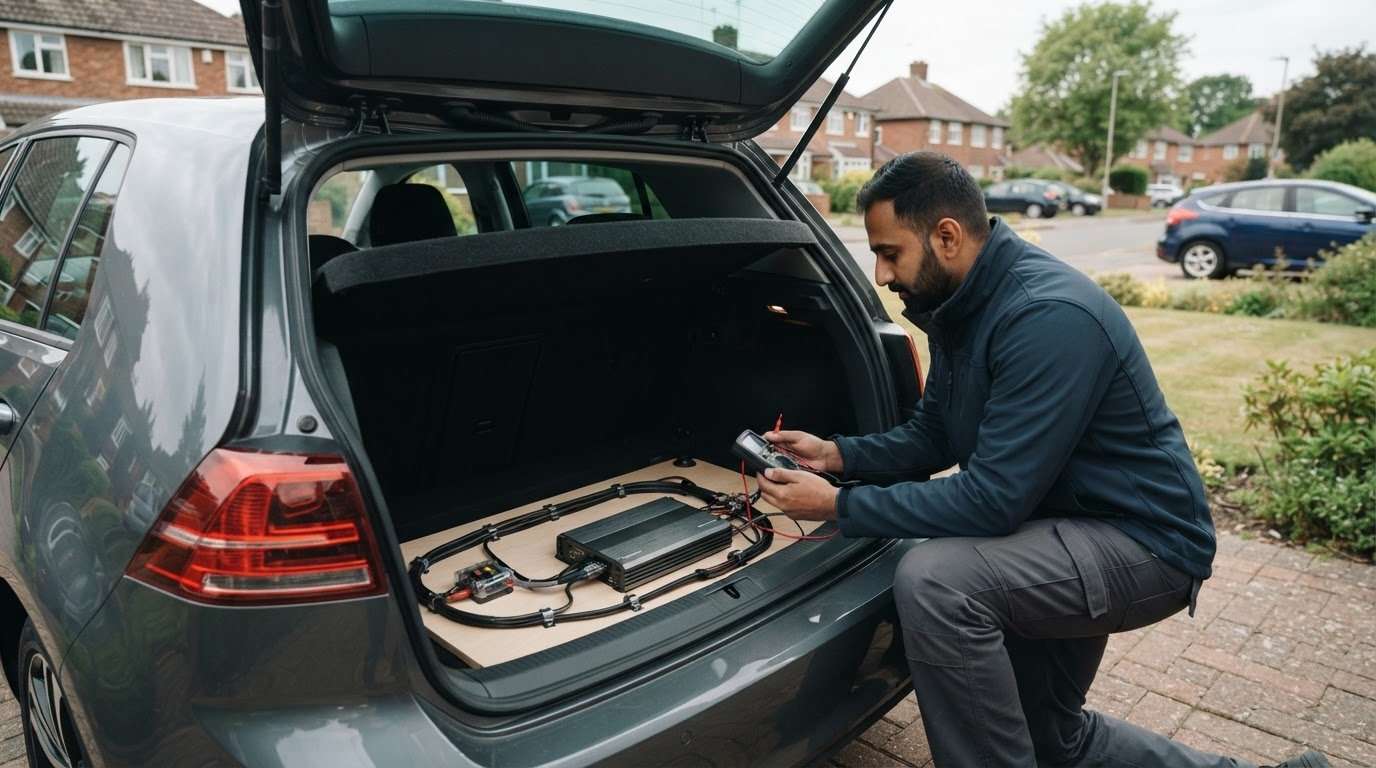
Professional Car Amplifier Installation UK: The 2026 Expert Guide
The 2026 Expert Guide
Could an audio upgrade affect your car’s electrics or leave its interior looking untidy? It’s a fair concern when choosing a car amplifier installation UK drivers can rely on. Channel counts and power ratings can be confusing, and poor wiring can create avoidable problems. You want clearer, more balanced sound, not exposed cables or an installation that disrupts your day.
Professional installation can make the technical decisions easier to manage. Safe & Sound Mobile supplies and installs car audio equipment, including amplifiers, and offers mobile fitting across the UK at home or work. You can discuss your vehicle and audio goals before choosing equipment, then arrange fitting at a location that suits you.
This guide explains what to consider before choosing an amplifier, how channels and power ratings affect your setup, and why careful installation matters. You’ll also learn what to expect from mobile fitting, so you can choose confidently and plan an upgrade around your car and listening preferences.
Key Takeaways
- Choose between mono, 2-channel and 4-channel amplifiers based on the speakers and subwoofer in your planned setup.
- Compare amplifier RMS output with speaker RMS handling and check that their impedance ratings are compatible.
- Ask how the installer will protect power cables, secure the amplifier and work around your vehicle’s existing electronics.
- Compare mobile fitting with workshop installation based on your location, vehicle and preferred arrangements.
- Plan the amplifier’s mounting position and cable routes to keep the installation tidy without restricting ventilation or access.
Why Professional Car Amplifier Installation Matters in 2026
A modern car is more than an engine, battery and stereo. Its electrical systems connect entertainment equipment with vehicle settings and security features, so adding an amplifier requires careful integration. A poor connection can cause faults beyond the sound system. Good car amplifier installation: UK drivers should consider the existing electronics as well as the audio upgrade.
Sound quality is only part of the job. An amplifier draws power from the vehicle, so its wiring, fuse protection, and turn-on connection must suit the installation. Poor wiring or an amplifier that remains active when the car is switched off can contribute to battery drain. The setup should also suit the vehicle’s electrical system. The aim is a reliable installation, not simply one that produces sound.
Fitting equipment differs from tuning it for the cabin. Speakers, their position and the car’s interior surfaces all affect how sound is heard. For background on how amplifiers fit into a wider setup, explore Vehicle audio systems.
Protecting Your Vehicle Warranty
A plug-and-play kit may be convenient, but a universal connection does not necessarily suit a newer vehicle’s wiring or system integration. Before choosing equipment, check compatibility with your car and ask how it will connect to the existing system. Where appropriate, non-destructive methods can help avoid unnecessary changes to factory wiring, but no fitting method automatically preserves every warranty. Check your vehicle’s warranty terms and ask what the installation involves. If an installer mentions a qualification, verify what it covers rather than assuming it applies to every part of the work.
Careful planning also matters when working around existing features, including security-related electronics. Safe & Sound Mobile offers mobile fitting across the UK so that you can discuss the proposed audio setup and installation arrangements with the team.
Maximising Sound Fidelity
A premium amplifier can still sound harsh or weak if its gain is set incorrectly. Gain controls how the amplifier responds to the incoming signal; it isn’t simply a volume dial. Correct setup helps the amplifier and speakers work together. Mounting position matters too: it should suit the vehicle, secure the equipment, and allow proper ventilation. Sound deadening can reduce unwanted panel vibration, but consider it as part of the overall system plan rather than assuming it is included in every amplifier fit.
Clipping is distortion caused when an amplifier is pushed beyond its clean output, and repeated clipping can overheat and damage speakers. Suitable matching and setup help produce clearer sound at everyday listening levels. Maximum volume alone is not a useful measure of a successful upgrade.
Choosing the Right Amplifier for Your UK Vehicle
The right amplifier depends on your speakers, listening habits and available space, not simply the biggest power figure on the box. Start by deciding whether you want to add bass, improve sound across the cabin or do both. A suitable car amplifier installation in the UK should account for the equipment you already have and the setup you want.
Amplifier channels describe how many separate audio signals the unit can power. A mono amplifier is designed for one channel and is commonly used to power a subwoofer. A 2-channel amplifier can drive a pair of speakers, while a 4-channel model can power four speakers, such as those at the front and rear of the cabin. Some amplifiers can be bridged to power a subwoofer, but check the amplifier and speaker specifications before relying on this option.
Matching the Amp to Your Audio Goals
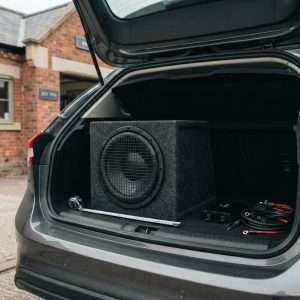
For dedicated bass, a mono-block amplifier is often a straightforward choice. For fuller sound across the cabin, a multi-channel model can power more speakers without requiring a separate amplifier for each pair. If boot space matters, consider a compact amplifier, but make sure its planned mounting position allows secure fitting and suitable ventilation.
Class D amplifiers are generally compact and efficient, which can make them practical where space is limited. Class AB models can be larger and produce more heat, so they may need more installation space. Neither class is automatically best for every car. Choose based on the system design, available space, and installation requirements.
If you want to keep the factory head unit, check whether the amplifier has high-level inputs. These accept a speaker-level signal from the original stereo, which may allow the amplifier to integrate without replacing the head unit. You still need to check compatibility for the specific vehicle and audio system. Digital radio requirements are a separate consideration: UK vehicle regulations include provisions for digital radio capability in certain new passenger cars fitted with a radio.
Key Technical Specs to Look For
Compare the amplifier’s RMS power rating with the speakers’ RMS handling, and check that the system’s impedance is compatible. RMS gives a more useful indication of continuous power handling than peak power, which describes a brief maximum rather than typical sustained output. These checks help you avoid choosing an amplifier that cannot meet the speakers’ needs or that pushes them beyond their limits.
- Signal-to-noise ratio: This indicates the audio signal level compared with unwanted background noise. Compare ratings measured on the same basis, since testing conditions can affect the figures.
- Built-in DSP: Digital signal processing can provide tools such as equalisation and time alignment to tune sound for the cabin. It can be useful, but the result depends on a suitable setup.
To discuss which amplifier features might suit your vehicle, explore Safe & Sound Mobile’s car audio expertise.
The Professional Installation Process, Step by Step
Plan an amplifier fit around the vehicle, not as a simple matter of connecting a few wires. A methodical process protects the car’s electrical system, keeps wiring discreet, and gives the installer a solid foundation for tuning. If you’re considering car amplifier installation in the UK, ask what each stage involves and how it applies to your vehicle.
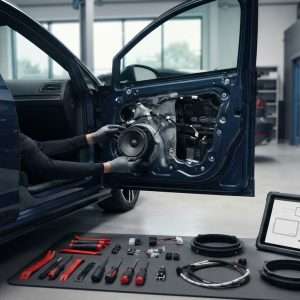
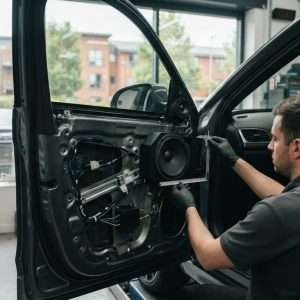
- Check the vehicle and audio system. The installer reviews the existing head unit, speakers, chosen amplifier and relevant electrical connections. This helps identify compatibility questions before work begins.
- Plan the wiring route. The power cable runs from the battery to the amplifier, with a suitable route through the bulkhead and into the cabin. Ask how the cable will be protected where it passes through metal and how power and signal wiring will be arranged to reduce interference.
- Fit and secure the components. Mount the amplifier in a suitable position, and route cables discreetly beneath trim or carpets where appropriate.
- Test and tune the system. Once connected, the installer checks operation and adjusts the sound to suit the cabin and speaker setup.
Safe Power Management
The main power cable needs a fuse close to the battery. A common installation guideline is to place it within 12 inches of the battery terminal, so the cable is protected as soon as practical if a fault causes a short. Cable thickness, often called gauge, must suit the amplifier’s current demand and cable length. Choosing it properly helps limit voltage drop and overheating; no single size suits every setup.
A clean, secure ground connection is essential to reduce unwanted noise and support clear, stable audio. Poor grounding can introduce humming or static, even if the amplifier and speakers are otherwise suitable.
Aesthetics and Integration
Neat installation matters as much as the visible equipment. You can route wiring beneath trim panels and carpets for a tidy finish, and secure the amplifier so it stays in place during normal driving. The cable path should avoid sharp edges and moving parts. Don’t hide a unit somewhere that prevents appropriate access or ventilation.
Integration needs care, too. A factory head unit or infotainment system may connect to other vehicle features, so the installer should check how to add an amplifier without disrupting the existing setup. This includes systems such as Apple CarPlay, where fitted. A well-planned installation considers the everyday experience while upgrading the sound.
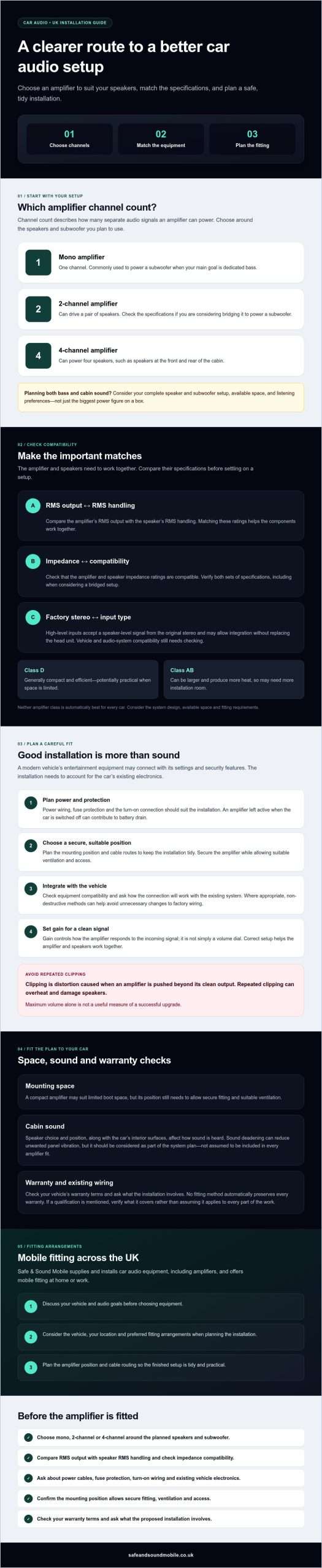
Mobile Installation vs Store Fitting: Which is Best?
With mobile car amplifier installation, the fitter comes to your home or workplace. You don’t need to drive to a workshop, wait on site, or arrange a lift home. That convenience can matter if your car is part of your working day. Store fitting may suit drivers who prefer to visit a workshop, but mobile service avoids adding a vehicle drop-off and collection to your plans.
Safe & Sound Mobile provides mobile installation across the UK at home or work. Before arranging a fit, discuss your audio goals and confirm the planned work. Once the installation is complete, listen to the system in your own car and raise any questions with the fitter. Follow their guidance on testing the system safely.
Why Mobile Fitting is a Practical Option
Mobile fitting can be useful if you’d rather not build a workshop visit into your day. You can keep working or handle other tasks while the installation takes place at an agreed location. There’s no waiting room and no need to coordinate transport after leaving your vehicle at a garage.
Having the car nearby also makes it easier to discuss the cabin, preferred listening levels and how you use the vehicle. The fitter can demonstrate the setup once it’s ready so that you can hear the result in familiar surroundings. Safe & Sound Mobile offers mobile fitting across the UK; confirm your location and vehicle can be accommodated when booking.
Comparing Costs and Value
Compare more than the initial fitting charge. Ask what the installation includes, such as compatibility checks, wiring, secure mounting and system setup. This can help you spot what a DIY kit may not include, such as a compatible cable, an appropriate fuse or parts needed for your specific vehicle. Check the contents of any equipment package and the agreed installation scope before buying or booking.
Mobile fitting can also save the time and travel involved in visiting a workshop, though the best choice depends on your vehicle, location and installation needs. Ask for a clear explanation of the work included and whether any extra charges may apply. Don’t assume a mobile service is automatically more expensive or that every workshop charges the same way.
For car amplifier installation, UK drivers can arrange at home or work; Safe & Sound Mobile offers mobile fitting across the UK. Discuss mobile car audio installation with the team and explain your vehicle and audio goals.
Safe & Sound Mobile: Your UK Car Audio Experts
Choosing an installer is about more than selecting an amplifier. You also need to consider how the equipment will work with your vehicle and its existing electronics. Safe & Sound Mobile supplies and installs car audio equipment, including amplifiers, and offers mobile fitting across the UK at home or work.
If you’re considering a wider sound system upgrade, explore car audio upgrades to see how different components can improve your in-car listening experience. When you contact Safe & Sound Mobile, describe the equipment you already have and the change you want to make so the team can discuss the installation with you.
Beyond Audio: Vehicle Security Products
An amplifier upgrade can also prompt questions about protecting your vehicle and its equipment. Some drivers may want to consider an insurance-approved vehicle tracker or a vehicle immobiliser. These are separate security products, so check their features and suitability for your car rather than assuming one solution covers every need.
Safe & Sound Mobile offers vehicle security products, including trackers and immobilisers. If you’re interested in a Ghost immobiliser, review the product information and discuss whether it suits your vehicle. You can consider audio and security needs together, but don’t assume a combined package or a particular protection outcome is included. Ask what each installation involves.
Booking Your Installation
Start by sharing your vehicle details, location and audio goals. Explain whether you’re keeping the factory head unit, adding a subwoofer or planning a broader system upgrade. This gives the team the context they need to discuss compatibility and the work involved. Confirm availability and the agreed scope before booking.
Before work begins, make the vehicle accessible and raise any questions about the proposed setup. After fitting, ask the installer to explain the system controls and demonstrate the sound so you know how it works. Mobile fitting lets you arrange professional amplifier installation at home or work without planning a workshop drop-off and collection around your day.
Upgrade Your Audio with Confidence
A successful amplifier upgrade starts with equipment that suits your speakers, listening goals and vehicle. Careful wiring, secure fitting and proper tuning matter just as much as the amplifier itself. They help create clean, balanced sound while keeping the installation tidy and accounting for your car’s existing electronics.
Safe & Sound Mobile supplies and installs car audio equipment, including amplifiers, with mobile fitting across the UK at home or work. Discuss your setup with the team and explain what you want to improve, whether that’s bass, sound across the cabin or integration with your existing stereo.
Ready to plan an upgrade that fits your car and listening preferences? Contact Safe & Sound Mobile to discuss your car amplifier installation.
Frequently Asked Questions
Will installing an amplifier drain my car battery?
A properly matched and installed amplifier shouldn’t drain a healthy battery during normal use. Battery problems can arise if the amplifier is wired incorrectly, stays powered when the car is off or draws more power than the vehicle’s electrical system can comfortably support. An installer can check the vehicle and plan suitable power connections. If the battery is already weak, mention this before fitting so it can be taken into account, or have your charging system tested beforehand at a reputable independent garage such as DSR Autocare.
Can I keep my original factory radio when adding an amplifier?
Often, yes. Some amplifiers have high-level inputs that accept a signal from the factory radio’s speaker outputs, allowing the original head unit to stay in place. Compatibility depends on your vehicle and its audio system, so check before choosing equipment. Tell the installer whether you want to keep features such as steering wheel controls or existing infotainment functions, as these may affect how the upgrade is integrated.
How long does a professional car amplifier installation take?
A standard amplifier and subwoofer installation typically takes between 3 and 5 hours. The time can vary with the vehicle, equipment and amount of integration needed. A more involved build, such as one requiring custom enclosures or sound deadening, may take longer. Ask the installer for an estimate based on your car and planned setup before confirming the booking.
Do you provide a mobile fitting service near me in the UK?
Safe & Sound Mobile provides mobile installation across the UK, at your home or workplace. To check whether your location and vehicle can be accommodated, share your postcode, car details and the audio work you’re considering. Mobile fitting means you can avoid taking your car to a workshop, but you’ll need to confirm booking availability and arrangements directly with the team.
Is it worth upgrading my speakers at the same time as the amp?
Not always. If your current speakers are in good condition and suit your listening needs, adding a correctly matched amplifier may be enough. New speakers may make sense if the existing ones limit sound quality or aren’t compatible with your planned setup. Consider the whole system, including the head unit, amplifier and speakers, rather than upgrading by default. An installer can help identify which component is limiting the result.
What happens if my car has a complex digital (CAN-bus) system?
A complex vehicle system requires careful compatibility checks before connecting audio equipment. Tell the installer your car’s make, model and year, and mention any factory features you need to retain. The installer can assess how the amplifier should integrate with the existing audio and electrical systems. Avoid assuming a universal kit will suit your vehicle, as wiring and connections can differ between models.
Does professional installation come with a guarantee?
Guarantee terms depend on the installer and the specific work, so confirm them before booking. Ask what the guarantee covers, how long it lasts and whether it applies to parts, labour or both. Don’t assume every professional installation includes the same cover. Request the terms in writing and keep a copy with your installation details, so you know whom to contact if a fitting-related issue arises.
Can you install an amplifier in a leased vehicle?
It may be possible, but check your lease agreement and get permission from the leasing company before arranging work. Ask whether modifications are allowed and what conditions apply when you return the vehicle. Discuss your preference for discreet, non-destructive wiring with the installer, but don’t assume this alone satisfies the lease terms. Confirm compatibility, approval and any reinstatement requirements before booking an amplifier installation.


About author
Related posts
Could a well-known audio range still be the wrong fit for your car? Powerbass PBX covers several types of components, including amplifiers,... Continue reading
What if the best car audio upgrade isn’t the biggest component, but the accessory that makes everything work together? Choosing Powerbass Audio... Continue reading
“Direct fit” doesn’t mean “fits every Ford”. If you’re searching for Powebass Ford Oem Direct Fit speakers, match the product to your exact vehicle,... Continue reading
The right-sounding Powerbass component System can still be the wrong upgrade for your car if it doesn’t match your vehicle or existing audio... Continue reading
Will a Powerbass loaded enclosure fit your car and work with the stereo and amplifier you already have? A box can look right but take... Continue reading