
No products in the cart.
Car Immobiliser: 7 Essential Checks for Better Security
Car Immobiliser: 7 Essential Checks for Better Security
A car immobiliser checks for the required authorisation before allowing a vehicle to start or operate in its intended way. It is a security control rather than an audible warning or a location service. The exact behaviour depends on the vehicle and the system fitted.
If you are considering an additional car immobiliser, first establish what your car already has and what risk you want to address. These seven checks explain factory and aftermarket options, certification, compatibility and everyday use without assuming that one product suits every UK vehicle.

1. Understand how a car immobiliser works
The basic principle is authorisation. The system recognises an approved key, transponder, tag, code or another supported method before enabling the relevant vehicle function. If the expected authorisation is absent, starting or operation remains restricted according to the design.
Some installations control electrical circuits, while others communicate with supported vehicle electronics. A digital installation may use the car’s data network. CAN stands for Controller Area Network, a communication system used by electronic components in many vehicles.
Do not assume every car immobiliser interrupts the same circuit or behaves identically. One car may not crank without authorisation; another installation may restrict a different stage of operation. Ask for a demonstration and the correct instructions for the exact vehicle and product.
This distinction matters for electric and hybrid vehicles too. Advice framed only around fuel pumps or ignition circuits does not describe every powertrain. Give the installer the complete vehicle details before discussing a suitable system.
2. Find out what is already fitted
Check the vehicle handbook, original specification and any installation records. If these do not establish the existing security, ask the manufacturer or a competent installer. An alarm symbol, remote key or dashboard light alone does not identify the complete specification.
A factory car immobiliser forms part of the vehicle’s original design. Aftermarket equipment is an additional installation that may introduce another authorisation step. Whether that extra layer is worthwhile depends on its supported function and your circumstances.
Avoid assuming that factory security is useless or that an aftermarket product is automatically better in every respect. Ask what practical difference the proposed device makes for your vehicle. That explanation should be specific enough to guide a purchase without revealing sensitive installation details.
Browse Safe & Sound Mobile’s car immobiliser range with the make, model, year and powertrain available. Mention modifications, existing security and any previous electrical work that could affect compatibility.
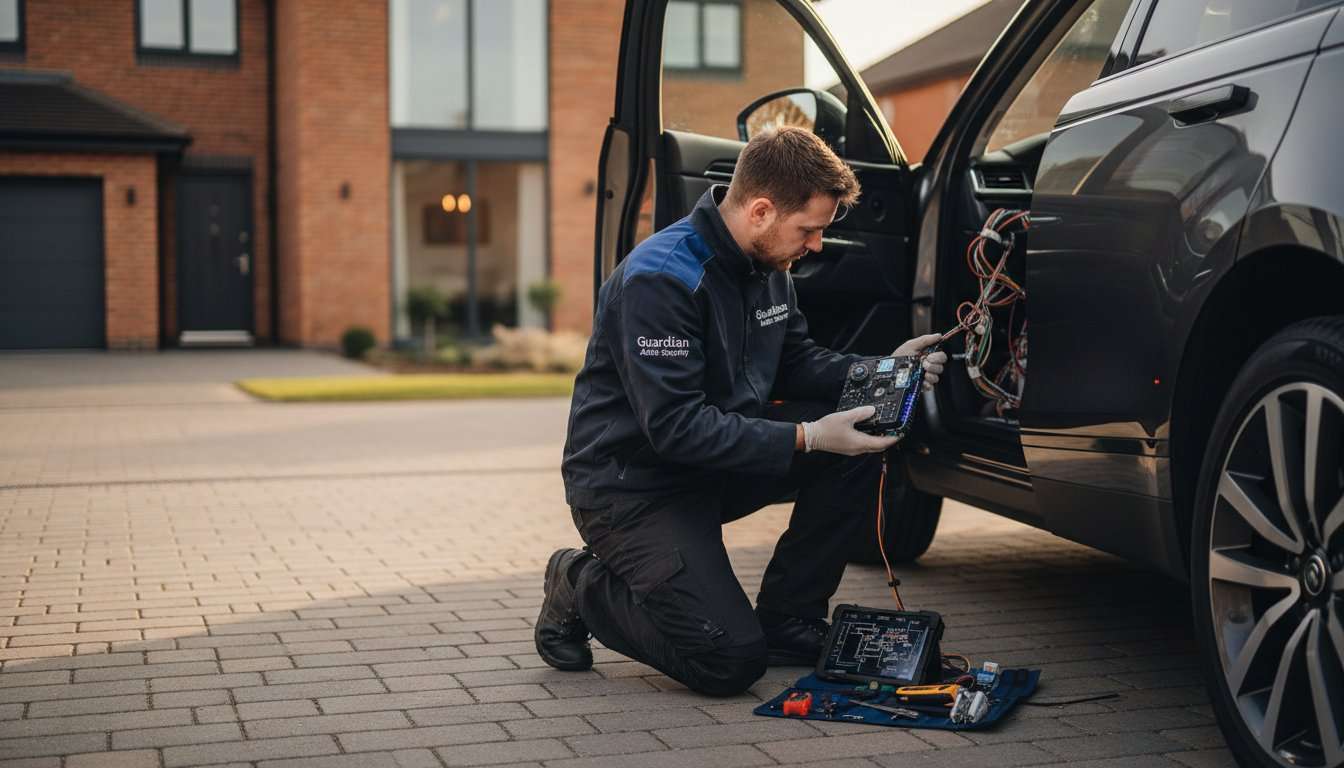
3. Separate a car immobiliser from alarms and trackers
An alarm warns about supported triggers. A tracker provides location information and, for some products, a monitored service. A car immobiliser restricts unauthorised vehicle operation. These functions can be combined, but they should not be treated as interchangeable.
| System | Primary role | What not to assume |
|---|---|---|
| Immobiliser | Require authorisation for defined vehicle operation | It automatically includes a siren or tracker |
| Alarm | Warn about specified events | It always provides additional immobilisation |
| Tracker | Provide location and supported monitoring | It always stops the vehicle starting |
An immobiliser cannot physically secure property inside a parked car, and it does not guarantee protection against towing or loading. Continue using suitable locking and parking precautions. Consider other security layers around the risks that remain.
If recovery support is part of your brief, compare the vehicle tracking options separately. Have the installer identify which device performs each role and explain any ongoing service requirements.
4. Check car immobiliser certification and insurance
Thatcham Research distinguishes Category 1 alarms and immobilisers from Category 2 immobilisers. Its security certification guidance is an authoritative reference for category terminology. It helps prevent confusion between a general security claim and a specific certified product.
Check the actual model and current certification information before describing a product as Thatcham certified. Do not transfer an approval from one product to another simply because they share a brand or a similar name.
Other assessment schemes and installation registrations should be identified by their own names. They are not automatically equivalent to a Thatcham category. Ask what evidence the supplier provides and what your insurer requires for the specific policy.
Tell the insurer about the proposed car immobiliser and obtain its position in writing. An additional system does not guarantee a lower premium or change an existing tracker requirement. Check the quotation and policy wording rather than relying on a general claim about insurance benefits.
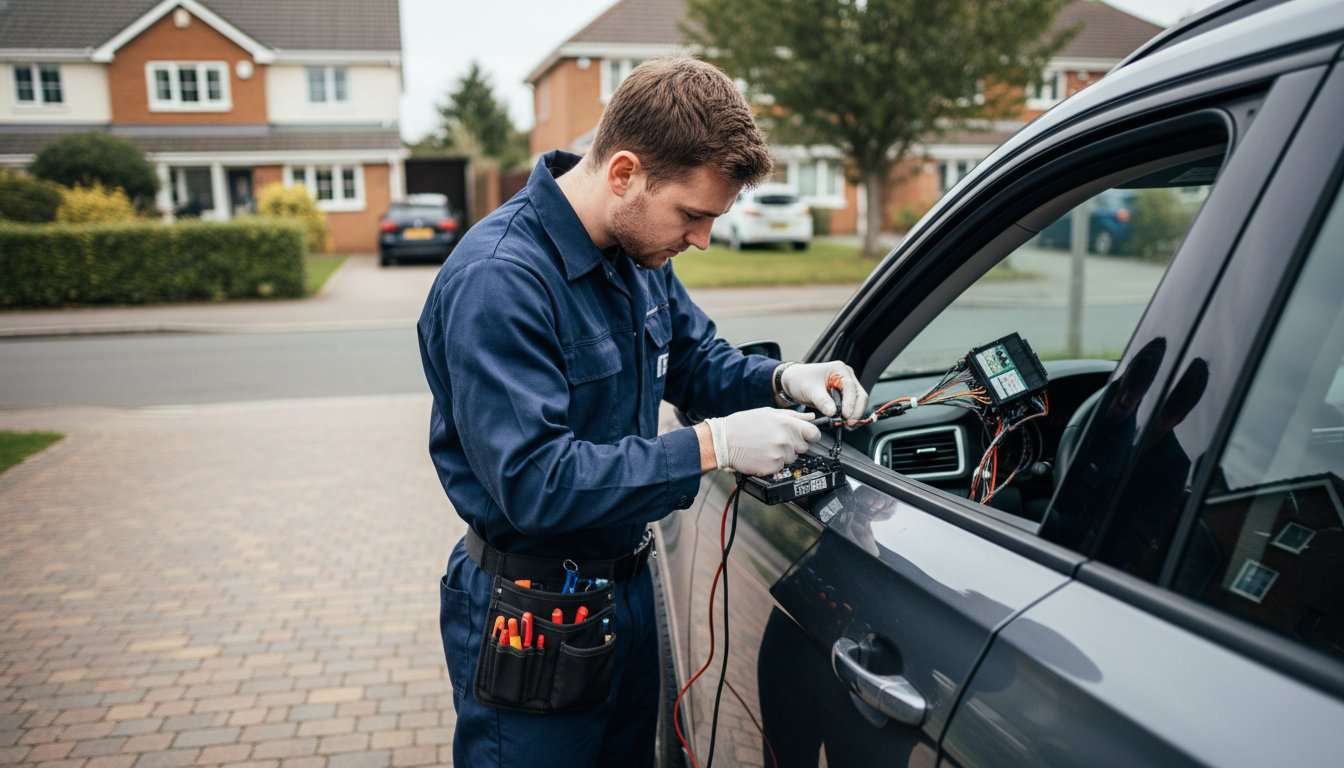
5. Confirm compatibility and professional fitting
Compatibility should be checked for the exact car, including its model year and relevant specification. Shared model names do not prove that all versions use the same electronics. Electric vehicles, hybrids and vehicles with remote-start or preconditioning features need appropriate checks.
A professionally installed car immobiliser should be selected and configured around the supported vehicle. Ask who performs the work, what instructions will be supplied and how support is handled afterwards. Do not attempt to select or modify security wiring from general online instructions.
If you are considering a digital product such as Autowatch Ghost, request the current model name and supported authorisation methods. Features differ between generations and vehicle applications. Avoid assuming that every version uses the same phone, tag or PIN arrangements.
Discuss how the installation interacts with existing alarms, trackers and normal vehicle functions. Ask about any manufacturer guidance relevant to your car and keep a written record of the proposed work. Blanket claims about warranty effects are less useful than checking the specific situation.
6. Learn the everyday car immobiliser procedures
At handover, practise authorising the car while parked and under the installer’s guidance. Every regular driver should understand the correct sequence and confirmation signals. Do not wait until you need the vehicle urgently to learn how the system behaves.
Ask about an approved recovery procedure if an authorisation item is lost or a code is forgotten. Store recovery information securely outside the car. It should remain available to you without becoming accessible to someone who gains entry to the vehicle.
Servicing and valet arrangements vary. If a temporary mode is available, learn when it should be used and how normal protection is restored. Do not assume a setting cancels itself or follows the same rules as a different product.
Keep confidential codes and installation details out of public photographs, sales adverts and social posts. When adding a driver or selling the car, use the provider’s proper handover procedure. Remove former users’ account access where the system supports connected services.
What to keep with your installation records
- The exact product and vehicle details.
- The installation date and support contact.
- Operating instructions and any relevant certification.
- The insurer’s written confirmation where applicable.
- Securely stored recovery information, separate from the vehicle.
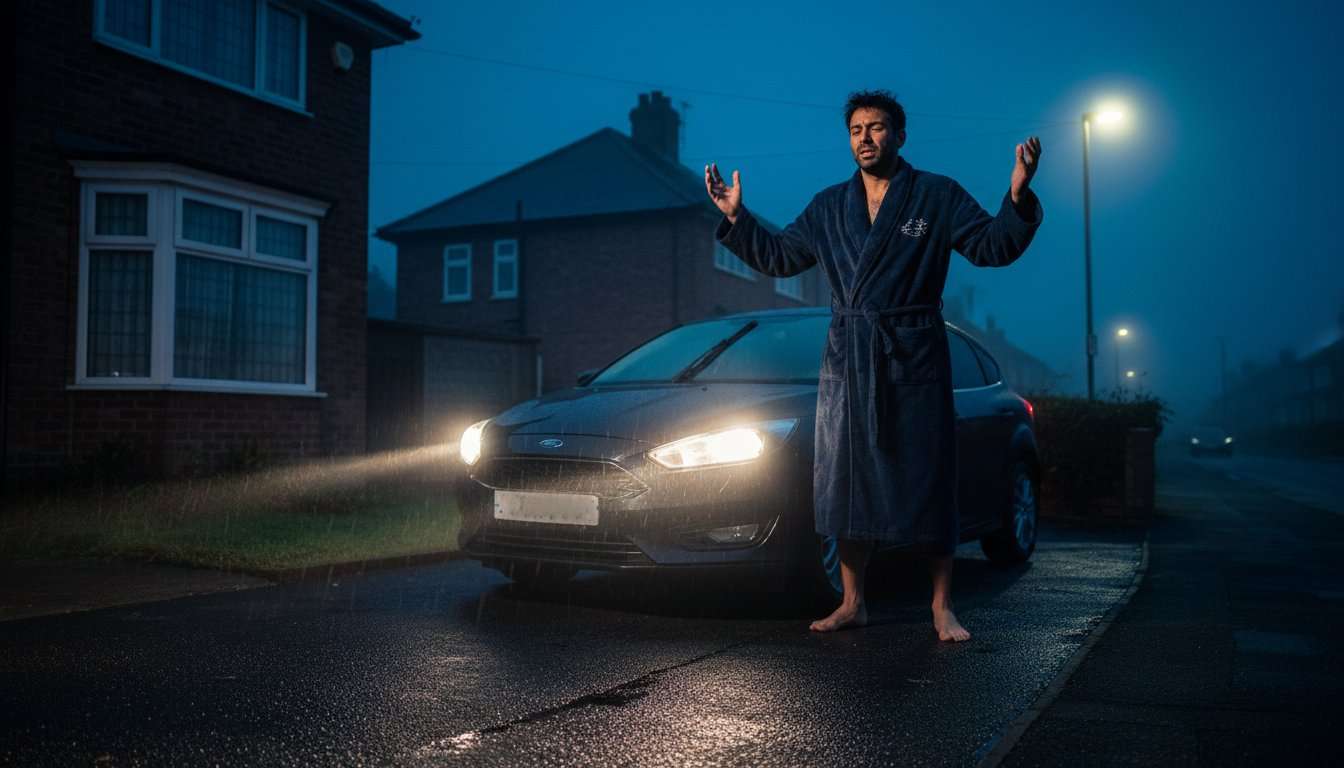
7. Decide whether an additional car immobiliser suits you
Start with a clear objective. You might want another authorisation step, a requirement confirmed by an insurer or a system that complements an existing tracker. Explain that objective to the installer and ask what the proposed product does to address it.
Compare the complete fitted quotation and the effort needed for everyday use. Check whether optional functions or connected services introduce additional costs. A price comparison is only meaningful when the product, vehicle application and support are understood.
Consider other people who drive the car. A system must be usable by authorised drivers and supported during servicing, emergencies or ownership changes. A suitable installation should have clear procedures for these ordinary situations.
A car immobiliser can be a useful extra layer, but it is not an all-purpose answer. Keep keys secure, lock the car and maintain any other equipment you rely on. If your priority is locating a stolen vehicle, address tracking and monitoring as a separate decision.
Frequently asked questions about a car immobiliser
Does every car already have one?
Do not guess from the age or appearance of the vehicle. Check the handbook, specification or manufacturer information for your exact car, particularly if it has been imported or modified.
Will a car immobiliser sound an alarm?
Not necessarily. Audible warning and immobilisation are different functions. Ask whether the chosen product includes an alarm or is designed to work alongside a separate one.
Can an immobiliser locate a stolen car?
It does not automatically provide tracking. You need a suitable location device and, where required, a supporting service. Confirm what is included in the actual installation.
Will it prevent every form of theft?
No. No security measure guarantees complete protection. An immobiliser is intended to control defined vehicle operation; it does not physically prevent every way a vehicle could be moved or damaged.
What should I do if the car will not authorise?
Use the product’s official instructions and contact the installer or support provider. Avoid bypass attempts or repeated electrical changes that could damage the vehicle or compromise security.
Can the system be transferred when I change cars?
Ask before buying. Removal, compatibility, refitting and revised records may be required. A product that suits the current car is not automatically supported on the next one.
Conclusion: choose a car immobiliser with clear support
A car immobiliser adds an authorisation control, with behaviour determined by the specific system and vehicle. Understand existing security, verify compatibility and certification, and learn the operating procedures before relying on an installation.
Contact Safe & Sound Mobile about immobiliser fitting with your vehicle details and security priorities. The team can help you compare suitable options and arrange professional installation.


About author
Related posts
Car Immobiliser Fitting Shenfield: Options and Preparation Immobiliser fitting in Shenfield should start with the vehicle and the purpose of the installation. An additional immobiliser... Continue reading
Ghost Immobiliser 3: How Ghost III Works and UK Fitting Ghost Immobiliser 3 is a common way of searching for Autowatch Ghost III, a digital... Continue reading
What Is Car Ghosting? Ghost Immobilisers and Relay Theft Car ghosting is a phrase you may encounter while researching Ghost immobilisers and keyless theft. It... Continue reading
Ghost Immobiliser Cost: UK Prices and Fitting Explained The Ghost immobiliser cost depends on the exact product and the installation being quoted. As checked on... Continue reading
Features, Costs and Fitting in 2026 A vehicle key no longer guarantees that only you can drive your car. Relay devices, cloned fobs, and OBD... Continue reading