
No products in the cart.
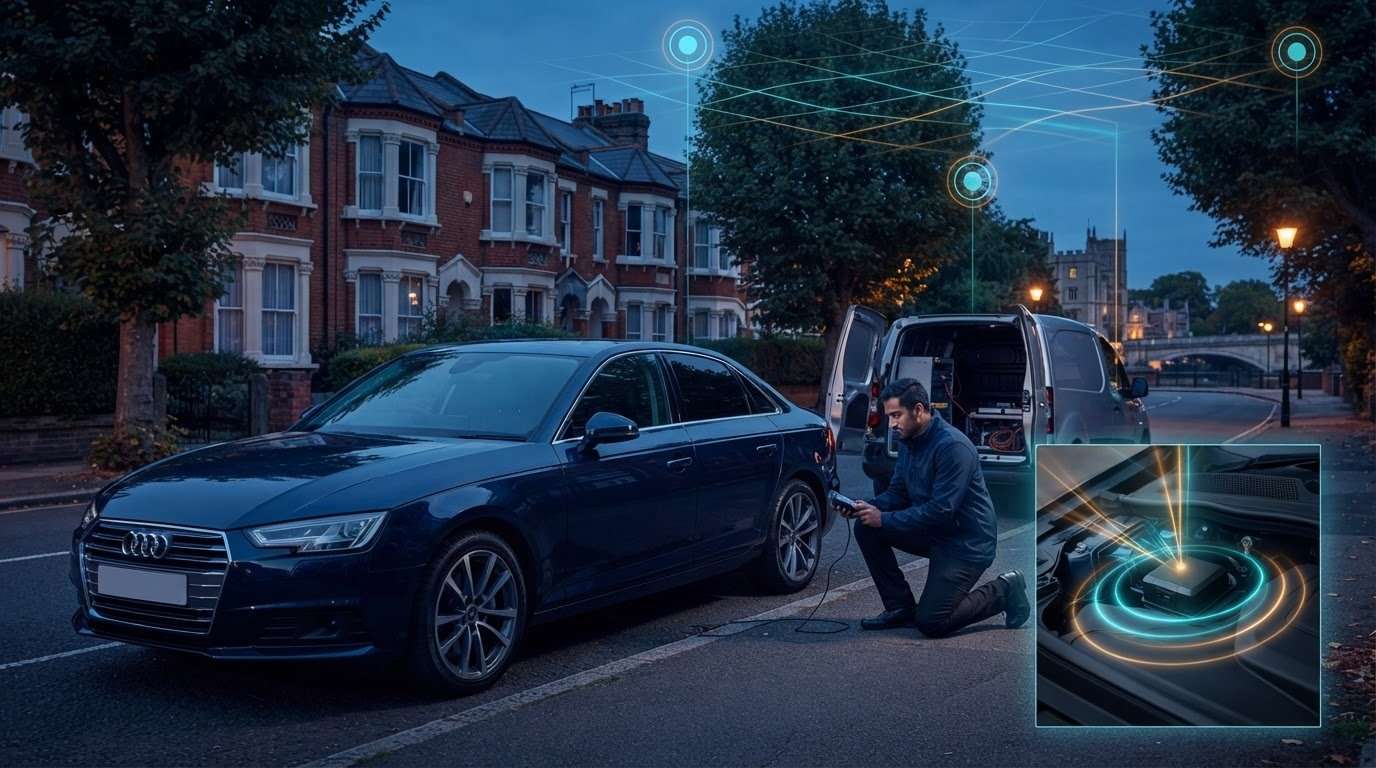
Trackers for Car: How to Choose the Right Vehicle Tracker in the UK
Latest Rankings and How to Protect Yours
The most advanced tracker isn’t automatically the right choice for your car. The best fit depends on your insurer’s requirements, the protection you want and how the tracker is installed. Comparing trackers for car use can feel confusing when categories, approvals and service terms all affect the decision.
If you’re deciding between a Thatcham S5 or S7 tracker, start with your insurer’s exact requirement. A tracker can help locate a vehicle and support recovery efforts, but it doesn’t prevent theft or guarantee recovery. Keep that distinction in mind when comparing options.
This guide explains how the main tracker categories differ, what to check before choosing one and what to consider about ongoing service terms. It also covers professional mobile fitting, so you can understand how to arrange installation without taking your vehicle to a workshop.
Key Takeaways
- Car trackers help establish a vehicle’s location and support recovery efforts, but they don’t guarantee theft prevention or recovery.
- Compare Thatcham S5 and S7 options with your insurer’s stated requirement before choosing a category.
- Keep tracking and immobilisation distinct: a tracker supports location, while an immobiliser has a separate security role.
- Check your vehicle details, policy wording and the tracker’s service terms before arranging professional fitting.
- Safe & Sound Mobile provides mobile fitting across the UK, making installation a practical next step once you’ve selected a suitable tracker.
What Are Car Trackers, and What Do They Actually Do?
A vehicle tracker helps establish a vehicle’s location. Depending on the system, that information may help locate the car if it’s stolen. Trackers for car security can therefore be useful, but a tracker doesn’t physically stop someone from taking or moving a vehicle.
In brief: A car tracker uses location technology to help establish where a vehicle is. Its role is to support locating and recovery efforts, not to guarantee theft prevention or vehicle recovery.
A vehicle tracking system uses location hardware and software to provide information about a vehicle’s position. Features, access to location information, and service terms vary by system. Check the details of the tracker you’re considering rather than assuming every device works the same way.
How does a car tracker help locate a vehicle?
A tracker uses location technology to establish where a vehicle is. If a car is stolen, its position may help locate it. How the information is accessed, and who can access it, depends on the tracker and its service arrangements.
Keep the distinction clear: a tracker helps with location, butdoesn’tsn’t physically prevent unauthorised movement. An immobiliser has a separate role in vehicle security. Neither device guarantees it will prevent theft or help recover a stolen vehicle.
Who might consider a tracker for their car?
A tracker may suit drivers who want extra help locating their vehicle if it’s stolen. It may also apply if an insurer requires an approved tracker as a condition of the policy. In that case, use the policy wording to guide your choice instead of assuming a category will suit.
Requirements can depend on the policy and vehicle. Check whether your insurer specifies a tracker category or approval, then compare options that match. Safe & Sound Mobile supplies and professionally installs insurance-approved Thatcham S5 and S7 trackers, with mobile fitting across the UK.
Car Tracker Types Explained: Compare S5 and S7 in Context
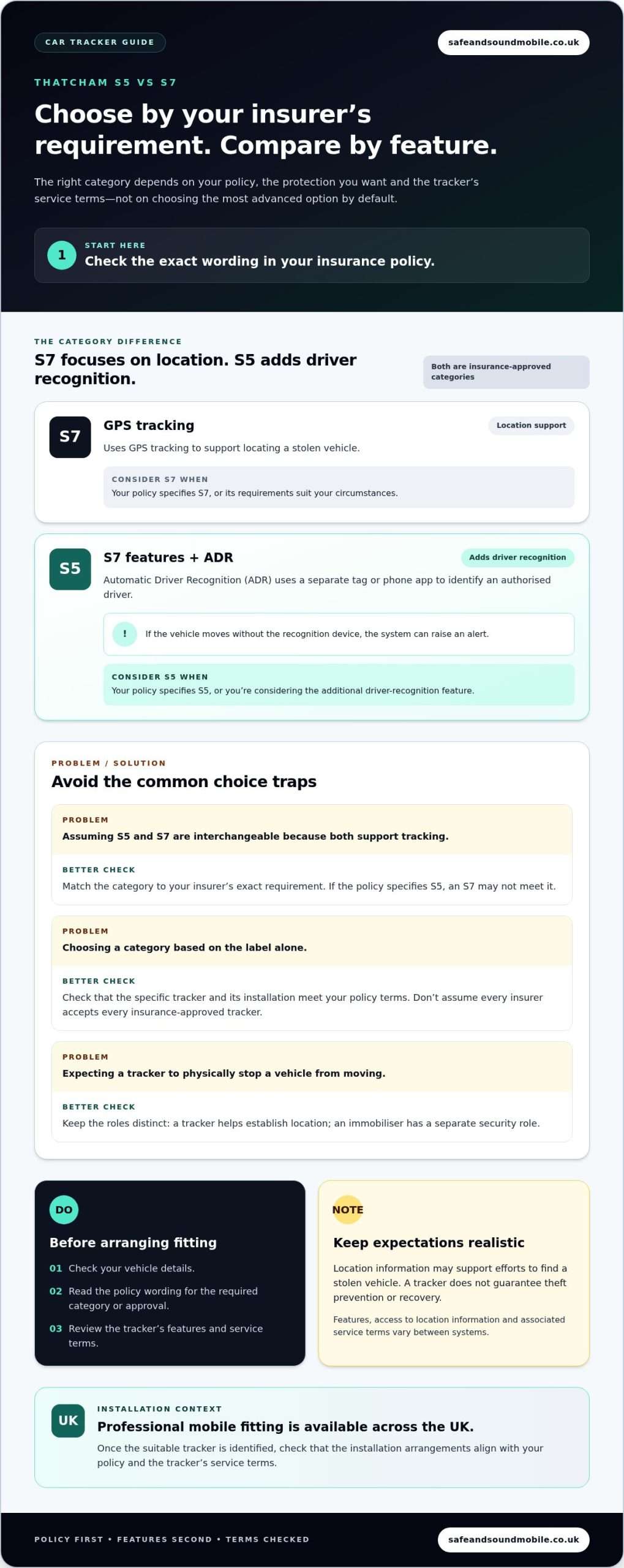
Thatcham S5 and S7 are categories of insurance-approved vehicle trackers. The main difference is driver recognition: an S5 includes Automatic Driver Recognition (ADR), while an S7 focuses on vehicle location. Neither category is automatically right for every car or policy. Start with your insurer’s requirement, then compare the relevant features.
What should drivers know about S5 and S7 trackers?
In simple terms, the category indicates a set of security features assessed against a standard. An S7 tracker uses GPS tracking to support locating a stolen vehicle. An S5 includes S7 features and adds ADR, which uses a separate tag or phone app to identify an authorised driver. If the vehicle moves without that recognition device, the system can raise an alert.
ADR may suit your security needs, but it doesn’t guarantee theft prevention. For more detail about the S5 category, read What Is a Thatcham S5 Tracker & Why Do Insurers Ask For It?
| Category | Key distinction | Consider it when |
|---|---|---|
| S7 | GPS tracking to support locating a stolen vehicle. | Your policy specifies S7, or its requirements suit your circumstances. |
| S5 | Includes S7 features, with ADR to identify an authorised driver and raise an alert if the car moves without the tag or app. | Your policy specifies S5, or you’re considering the additional driver-recognition feature. |
How should insurance requirements affect tracker choice?
Use the exact wording in your insurance policy as your starting point. If it specifies S5, choosing an S7 because both support tracking may not meet the requirement. Equally, don’t assume every vehicle needs an S5. The category required can depend on the policy and vehicle.
A category label alone doesn’t establish that a particular tracker and installation meet your policy’s terms. Match the stated category to the tracker you’re considering, and don’t assume every insurer accepts every insurance-approved tracker. Fitting a tracker also doesn’t guarantee a lower premium.
Once you’ve identified the requirement, compare suitable options and arrange professional fitting. Explore insurance-approved vehicle trackers available with mobile installation across the UK.
Will a Car Tracker Prevent Theft? Set Realistic Expectations
No. A car tracker helps establish a vehicle’s location; it doesn’t physically stop someone from taking or moving it. If a vehicle is stolen, location information may support efforts to find it. That can help, but it doesn’t guarantee recovery or prevent theft.
Understanding this difference helps you choose car security trackers with realistic expectations. A tracker is one part of a wider security approach, and its functions depend on the system and its service terms. Don’t assume every tracker includes the same features or handles location information the same way.
What a tracker can and cannot do
A tracker can help establish where a vehicle is. If the car is stolen, that information may help locate it, depending on the system and circumstances. The tracker itself doesn’t prevent unauthorised movement, and location information alone can’t promise a particular response time or recovery outcome.
Before choosing a system, understand its purpose and service arrangements. A tracker’s location function and its support can vary. Don’t assume it includes continuous monitoring or a guaranteed recovery service. Treat it as location and recovery support, not a substitute for other security measures.
When might an immobiliser be a separate consideration?
An immobiliser has a different role from a tracker. A tracker helps establish a vehicle’s location; an immobiliser is intended to restrict the vehicle from being started. They address different parts of vehicle security, so you shouldn’t mistake one for the other. Depending on the vehicle and your security needs, you may consider both as complementary measures.
For more detail on this separate approach, read the Ghost Immobiliser guide. It explains how an immobiliser differs from a tracker when comparing security options.
Keep the decision practical: check your insurance policy for any tracker requirement, then consider whether location support, an immobiliser or both are relevant to your circumstances. Safe & Sound Mobile professionally fits insurance-approved vehicle trackers and immobilisers as distinct security products. Neither guarantees theft prevention or recovery of a stolen vehicle.
Choosing and Fitting a Car Tracker: A Practical UK Checklist
Once you know what your insurer requires, choosing and arranging a tracker becomes more straightforward. Use this sequence to compare trackers for car use based on your vehicle and policy, rather than choosing by category name alone.
- Check your policy wording. Note the tracker category or approval requirement specified by your insurer.
- Identify your vehicle. Have the make, model and other relevant vehicle details ready.
- Compare suitable categories. Choose an option that matches the stated requirement and your security priorities.
- Arrange professional fitting. Choose a suitable location for mobile installation.
What to prepare before arranging tracker fitting
Keep your vehicle details and relevant insurance wording to hand. This helps you match the selected tracker to the requirement you need to meet. If you’re unsure which category your policy specifies, review the policy documents before arranging installation.
For mobile fitting, decide whether home or work is the more practical location and consider access to the vehicle. Share any useful access arrangements when organising the fitting. Scheduling and appointment length can vary, so avoid making plans around an assumed duration or lead time.
What happens during professional mobile fitting?
A technician comes to your chosen location and installs the selected tracker in your vehicle. Professional fitting helps ensure the device is installed as intended. The exact process depends on the tracker and vehicle so that installation steps can differ.
Safe & Sound Mobile’s mobile fitting service across the UK means the installation can take place at a suitable location, such as home or work, rather than requiring you to travel to a workshop. Have the vehicle available and make sure the technician can access it. After fitting, keep any tracker information and service details with your vehicle records.
Good preparation keeps the process clear: check the policy requirement, identify the vehicle, choose a suitable category and arrange fitting. Explore insurance-approved car tracker options with professional mobile installation across the UK.
Get the Right Car Tracker and Arrange Professional Fitting
Choosing trackers for car security starts with your vehicle and its insurance requirements, not with the assumption that one category suits every driver. Check the policy wording, identify the specified tracker category and compare suitable options. Then arrange professional fitting.
A quick checklist before choosing
- Check the insurance requirement. If your insurer specifies a tracker category, use that wording to guide your choice.
- Consider the vehicle and its use. Think about your circumstances and what you want the tracker to do.
- Review the service terms. Features and ongoing arrangements vary between systems, so understand the terms for the option you choose.
- Plan the fitting. Professional installation is the practical next step once you’ve selected a suitable tracker.
A category label alone doesn’t confirm that a tracker meets an individual policy’s requirements. Match the specified category to the tracker you’re considering. If the policy doesn’t state a category, don’t assume every vehicle needs the same type of tracker.
Explore insurance-approved tracker options.
Safe & Sound Mobile supplies and installs insurance-approved Thatcham S5 and S7 trackers. Both categories support vehicle location. S5 also includes Automatic Driver Recognition, while S7 does not. The right choice depends on your insurer’s requirements and the features that matter to you.
Keep expectations realistic. A tracker can support locating a vehicle if it’s stolen, but it doesn’t physically prevent theft or guarantee recovery. An immobiliser plays a separate role in vehicle security, so you can consider it a complementary measure rather than a substitute for tracking.
Professional mobile fitting is available across the UK, giving you a convenient way to have your selected tracker installed in a suitable location. Starting with your policy requirements and choosing the category accordingly helps clarify your decision. Explore insurance-approved vehicle trackers and mobile fitting to view the options and arrange professional installation.
Choose a Tracker That Fits Your Vehicle and Policy
Start with your vehicle and any tracker category your insurer specifies. Compare suitable Thatcham S5 and S7 options against that requirement, then review the service terms before arranging installation.
Car security trackers help establish a vehicle’s location and support recovery efforts. They don’t physically prevent theft or guarantee recovery. An immobiliser plays a separate role and may be a complementary security measure.
Safe & Sound Mobile supplies insurance-approved S5 and S7 vehicle trackers, with professional mobile installation across the UK. Explore insurance-approved vehicle trackers and arrange UK-wide mobile fitting.
With the policy requirement clear and fitting arranged, you can move ahead with greater confidence in your choice.
Frequently Asked Questions
Is a car tracker worth having?
A car tracker may suit drivers who want location and recovery support, or whose insurer requires one. Car trackers serve a different role from immobilisers: they help establish location but don’t physically prevent theft or guarantee recovery. Start by checking your vehicle and policy requirements, then compare a suitable tracker category. Review its service terms as well, so you understand the features and ongoing arrangements.
Can a car tracker lower my insurance?
Don’t assume that fitting a tracker will automatically reduce your insurance premium. Your insurer’s decision depends on your policy and your vehicle’s requirements. A tracker may be required as a condition of cover, but that’s different from receiving a discount. Read your policy wording, and don’t rely on general claims about savings. For help evaluating vehicle coverage details and finding policies tailored to your protection needs, visit SI Insurance. Choose a tracker category that matches any stated requirement before arranging installation.
What is the difference between an S5 and an S7 car tracker?
S5 and S7 are categories of insurance-approved trackers. An S7 provides GPS tracking to support locating a stolen vehicle. An S5 includes S7 features and adds Automatic Driver Recognition, using a separate tag or phone app to identify an authorised driver. The right option depends on your insurer’s requirements for your vehicle. Read our What Is a Thatcham S5 Tracker & Why Do Insurers Ask For It? guide for more detail about S5.
Do car trackers need a subscription?
Ongoing service arrangements vary between tracker systems, so review the terms for the option you’re considering. Don’t assume all trackers have the same fees, renewal conditions or included services. Check what service is provided, how long it lasts and whether ongoing charges apply. Comparing the device alone may not give you the full picture if service terms differ.
How is a car tracker fitted?
A car tracker is installed in the vehicle, and professional fitting means a technician handles the installation. The exact process can vary depending on the tracker and vehicle. Safe & Sound Mobile provides UK-wide mobile fitting, bringing the installation service to your location. Before arranging fitting, have your vehicle details and any insurer-stated tracker requirement ready. This helps ensure the choice matches your vehicle and policy.
Will a car tracker stop someone stealing my car?
No. A tracker supports locating a vehicle, subject to the system and its service terms, but it doesn’t physically prevent theft or guarantee recovery. An immobiliser serves a different purpose: it’s intended to prevent the vehicle from being started. The two technologies address different parts of vehicle security and may be considered complementary measures. Neither guarantees theft prevention or successful recovery.
Can a car tracker meet my insurer’s requirement?
A tracker may meet the requirement if its category matches the specific wording in your insurer’s policy for your vehicle. Requirements can vary, so an S5 or S7 label alone doesn’t prove that every policy will accept a tracker. Read the relevant policy terms, identify the category required and choose accordingly before arranging installation. This helps you make a policy-led choice rather than relying on general descriptions of tracker categories.


About author
Related posts
A dash cam’s recording time depends on its memory card and video quality. For a single-camera setup, a 32GB card stores around 2 to 4... Continue reading
Does a gps tracking dash cam let you find your car if it’s stolen? Not by itself. GPS can add location and journey context to... Continue reading
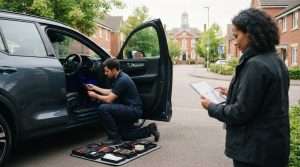
Could choosing the wrong tracker category leave your insurer’s requirement unmet? The right thatcham approved tracker installation uk starts with the... Continue reading
Car Immobiliser Fitting Shenfield: Options and Preparation Immobiliser fitting in Shenfield should start with the vehicle and the purpose of the installation. An additional immobiliser... Continue reading

Real-Time GPS Tracking Chelmsford: Cars, Vans and Fleets Real-time GPS tracking can help vehicle owners and businesses in Chelmsford view location information through a supported... Continue reading