
No products in the cart.
What Is Car Ghosting? Ghost Immobilisers and Relay Theft
What Is Car Ghosting? Ghost Immobilisers and Relay Theft
Car ghosting is a phrase you may encounter while researching Ghost immobilisers and keyless theft. It is better to identify the actual subject than assume the phrase describes one recognised attack. Relay theft concerns the key signal; an Autowatch Ghost is an aftermarket immobiliser that adds a supported authorisation step.
This guide explains seven useful checks behind a car ghosting enquiry. It separates access, starting authorisation and tracking, then covers the practical questions UK owners should ask before arranging additional security. No installation guarantees protection against every method of theft.
1. Clarify what car ghosting means in the discussion
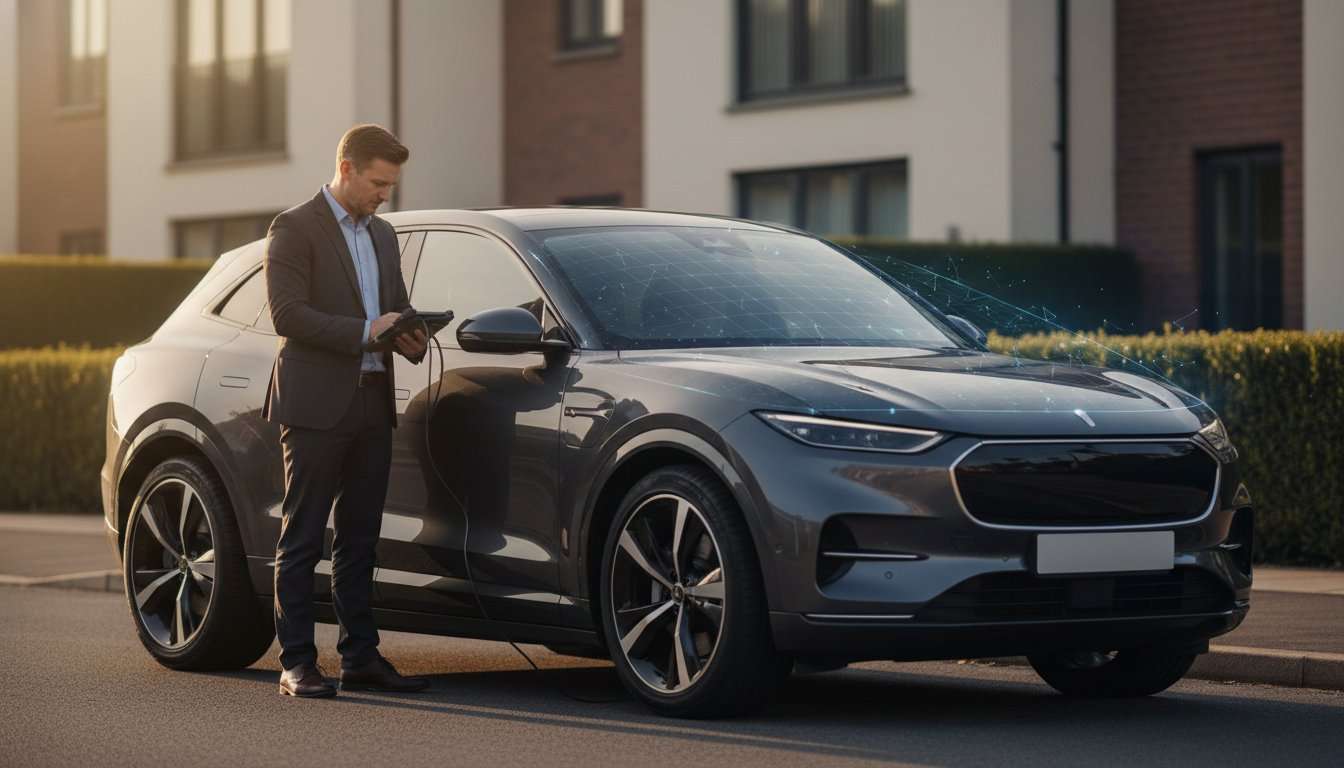
If someone uses the phrase car ghosting, ask whether they mean relay theft, fitting a Ghost immobiliser or another vehicle issue. These subjects should not be blended into a single technical explanation. Clear terminology helps you choose the right response.
Relay theft exploits a keyless system by making the vehicle believe that its authorised key is nearby. Key cloning is a different issue involving a copied or programmed credential. Neither phrase should be used as a universal description of every electronic vehicle theft.
Vehicle identity cloning is different again. It concerns a vehicle being given another vehicle’s identity, such as through false registration details. A security product designed to control starting does not automatically resolve documentation or identity concerns.
For this car ghosting guide, the focus is the question many owners are trying to answer: how can an additional immobiliser complement a keyless car’s existing security? Start with that practical brief and have the vehicle’s current equipment checked.
2. Separate relay theft from immobiliser authorisation
A keyless vehicle uses an authorised credential to allow supported functions. In a relay attack, equipment extends or relays communication so the car can be deceived about the key’s proximity. This explanation describes the principle without providing instructions for carrying out an attack.
An additional immobiliser can introduce a separate authorisation requirement on a supported installation. That requirement is distinct from the car recognising its normal key. The exact behaviour depends on the product, vehicle and configuration.
It is therefore inaccurate to say that a Ghost immobiliser makes a key signal impossible to relay. Its role is the additional control over authorised vehicle operation. It does not physically secure the contents of the car or prevent every form of access.
When researching car ghosting, keep these stages separate: entering the vehicle, authorising operation and locating it after movement. Different security measures address different parts of that situation.
3. Understand what a Ghost immobiliser adds
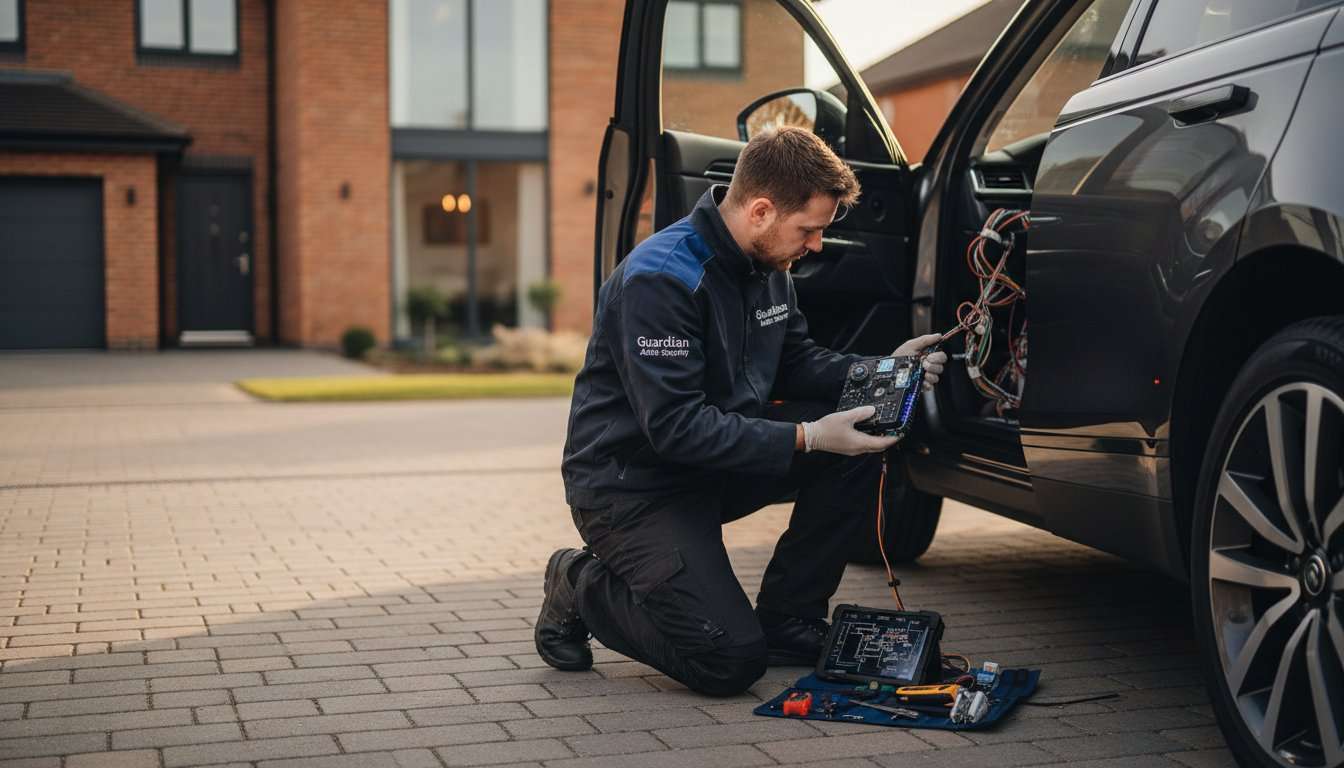
Autowatch Ghost systems are aftermarket digital immobilisers. A supported installation uses an authorisation method before allowing the relevant vehicle operation. Factory-button PIN sequences are a key part of the product family, with other methods depending on the model and setup.
Ghost II and Ghost III should not be treated as identical products. Ask which exact generation is proposed and why it suits your car. Compatibility, supported networks and available authorisation methods need checking for the actual make, model and year.
The verified Ghost Immobiliser 2 listing can be a starting point for discussing the system with Safe & Sound Mobile. Confirm current specifications and fitting arrangements before ordering rather than relying on an old car ghosting video or social post.
Do not assume an immobiliser includes a GPS tracker, monitored recovery or an alarm. If those functions are part of a quotation, ask the installer to identify the additional equipment and service. A combined package still contains distinct security roles.
4. Keep practical keyless precautions in place
Additional security should complement ordinary precautions. The official Police.uk vehicle theft-prevention guidance explains relay theft and recommends appropriate key storage, checking locks and considering extra physical security. It is independent crime-prevention guidance.
Ask the vehicle manufacturer about the supported options for your keyless system. If a wireless function can be disabled, use the official instructions for that key and car. Do not assume every keyless vehicle offers the same setting.
If using signal-blocking storage, check it with the actual keys and vehicle and review it periodically. Include spare keys in your plan. Do not treat an untested pouch or box as a complete security system.
A car ghosting enquiry should also prompt a review of locking and parking habits. Confirm the vehicle has locked, keep valuables out of view and choose suitable parking where practical. An immobiliser adds a role of its own; it does not replace these routines.
5. Compare car ghosting concerns with other security needs
Ask what outcome you want from an installation. If the concern is unauthorised drive-away theft, discuss a compatible immobiliser. If you want an audible warning, discuss alarm coverage. If locating the vehicle is important, review tracking and the service behind it.
| Your concern | Security role to discuss | Question to ask |
|---|---|---|
| Unauthorised driving | Additional immobiliser authorisation | What operation is controlled on this vehicle? |
| Disturbance or access | Alarm and physical protection | Which triggers or access points are covered? |
| Vehicle location | Tracker and supporting service | Who responds to a theft report? |
| Insurance condition | Specified accepted installation | What exact model and service are required? |
Compare the available vehicle immobilisers and car tracking systems against that brief. Do not infer immobilisation from a tracking category or tracking from an immobiliser name.
This approach makes a car ghosting conversation useful: it turns an unclear phrase into specific questions about compatibility, operation and support. Ask for plain explanations rather than absolute promises about defeating every thief.
6. Confirm fitting, insurance and the complete quotation
Give the installer the full vehicle details, existing equipment and relevant modifications. Mention remote-start or preconditioning features if fitted. Have the exact product checked rather than assuming that all cars with the same badge use the same electronics.
Request a written quotation identifying the hardware, installation, optional items and any recurring service in a combined package. Ask about operating instructions, support and applicable warranty terms. A headline price is not a complete comparison.
If the purchase is driven by insurance, obtain the insurer’s exact requirement and acceptance in writing. Certification schemes have different meanings. Do not call a product Thatcham approved unless that particular status is verified, and do not promise an insurance discount.
Car ghosting content sometimes blends security claims with financial promises. Keep them separate. The insurer decides the policy terms; the installer explains the supported equipment and fitting. Neither a product name nor an online testimonial proves a premium saving.
7. Learn the operating procedures before you rely on it
At handover, practise normal authorisation while parked and with the installer’s guidance. Every regular driver should understand the supported method, confirmation signals and what to do if authorisation is unsuccessful.
Ask about official workshop, valet or temporary-use procedures. Learn how normal protection is restored. Do not share confidential codes with a workshop merely because a temporary mode has not been explained; contact the installer for the correct process.
Keep recovery information secure and separate from the car. Avoid publishing photographs that reveal hidden equipment, wiring routes or private authorisation details. If the car is sold, use the provider’s proper handover process.
Car ghosting enquiry: a practical checklist
- Identify whether the issue is relay theft, immobilisation or another concern.
- Confirm the car’s current security and exact specification.
- Check the proposed Ghost generation and compatibility.
- Separate immobiliser, alarm and tracking functions.
- Get the complete quotation and insurer acceptance where relevant.
- Learn normal operation, servicing and recovery procedures.
- Keep ordinary locking, key storage and parking precautions in place.
Frequently asked questions about car ghosting
Is car ghosting another name for relay theft?
Do not assume that an informal phrase has one precise meaning. Ask what is being discussed. Relay theft, key cloning and a Ghost immobiliser are different subjects.
Does a Ghost immobiliser stop a key signal being relayed?
Its role is additional vehicle authorisation on a supported installation. It should not be described as making the normal key signal impossible to relay or guaranteeing that the car cannot be entered.
Is an immobiliser also a tracker?
Not automatically. Tracking requires suitable location equipment and, where relevant, a supporting service. Check the actual package rather than assuming both functions are included.
Will it fit any keyless car?
Compatibility needs checking for the make, model, year and specification. Being keyless does not establish that a particular Ghost generation or configuration is supported.
Does car ghosting mean my car’s identity has been cloned?
The phrase alone does not establish that. Vehicle identity cloning is a separate issue. Clarify the actual signs or concern and seek appropriate checks rather than choosing equipment from an ambiguous label.
What should I do after a theft?
Prioritise safety, report the theft to the police and follow any tracking provider’s instructions. Notify the insurer as appropriate. Do not pursue a displayed location or confront suspects yourself.
Conclusion: turn car ghosting questions into a clear plan
A car ghosting enquiry is best answered by identifying the actual security concern. Understand relay theft, separate it from immobiliser authorisation and choose compatible equipment with clear operating support. Keep other precautions in place and avoid guarantees.
Speak to Safe & Sound Mobile about additional vehicle security with your car details and priorities. The team can explain suitable immobiliser and tracking options and arrange professional fitting.

About author
Related posts
Car Immobiliser Fitting Shenfield: Options and Preparation Immobiliser fitting in Shenfield should start with the vehicle and the purpose of the installation. An additional immobiliser... Continue reading
Ghost Immobiliser 3: How Ghost III Works and UK Fitting Ghost Immobiliser 3 is a common way of searching for Autowatch Ghost III, a digital... Continue reading
Ghost Immobiliser Cost: UK Prices and Fitting Explained The Ghost immobiliser cost depends on the exact product and the installation being quoted. As checked on... Continue reading

Car Immobiliser: 7 Essential Checks for Better Security A car immobiliser checks for the required authorisation before allowing a vehicle to start or operate in... Continue reading
Features, Costs and Fitting in 2026 A vehicle key no longer guarantees that only you can drive your car. Relay devices, cloned fobs, and OBD... Continue reading