
No products in the cart.
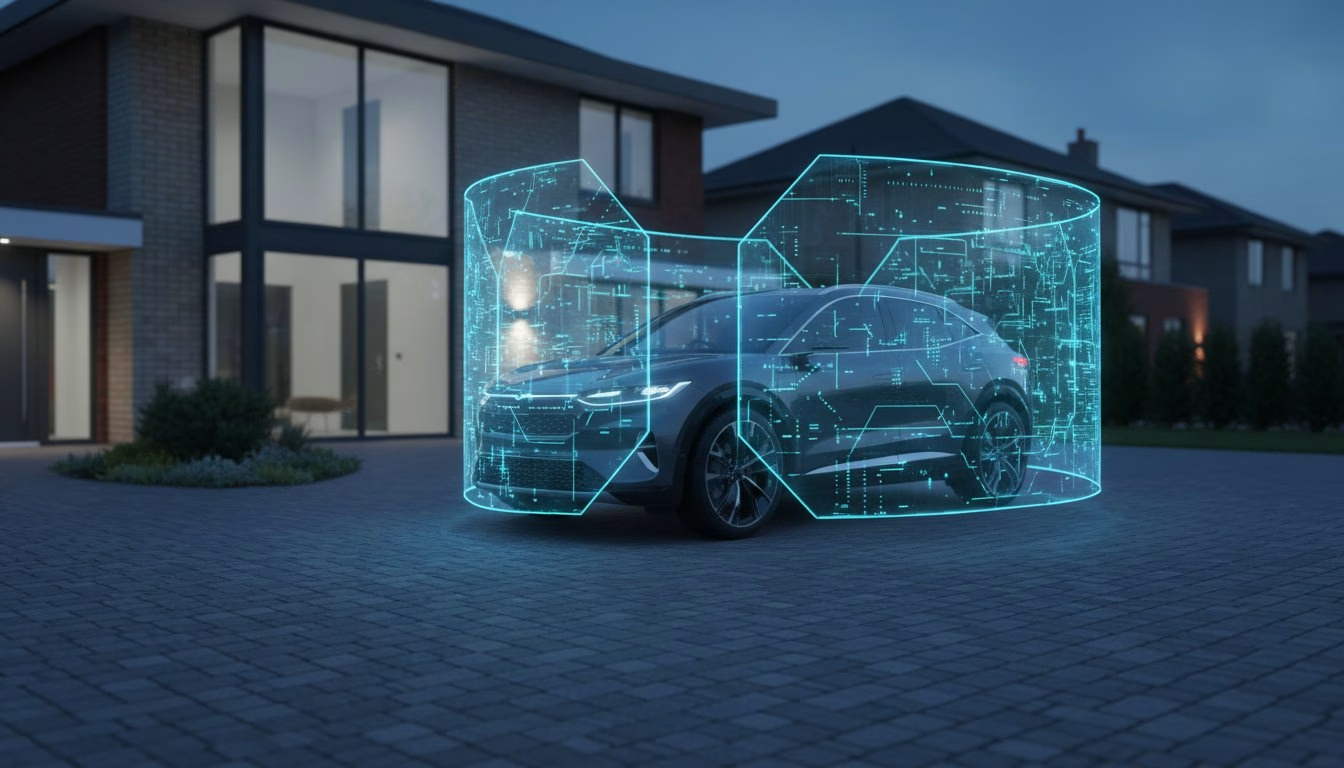
How to Prevent Keyless Car Theft
Practical Ways to Protect Your Vehicle
In the past, thieves had to break into a car and tamper with its wiring to drive it away. Today, many vehicles use keyless entry and push‑start systems, which make daily driving easier for you. However, this technology also creates new risks that criminals can exploit.
Keyless car theft, often called relay theft, allows someone to steal your vehicle without touching your keys. Thieves use simple electronic devices to copy or boost your key’s signal and unlock your car. Understanding how this crime works helps you take clear steps to protect your vehicle.
Key Takeaways
- Keyless car theft uses wireless signals to unlock and start your car without the key.
- This type of vehicle crime has increased as keyless systems become common.
- You can reduce risk by implementing practical security measures and additional physical protection.
How does keyless car theft work?
Cars with keyless entry and start systems rely on a small keyless fob that sends out a short‑range radio signal. When your car detects that signal nearby, it unlocks the doors and allows the engine to start.
In a relay theft, criminals use electronic tools to trick your vehicle. One person stands near your home with a relay box that captures the signal from your fob, even if the fob is inside your house.
The device boosts and passes that signal to a second unit near your car. The vehicle reads it as genuine access, unlocks, and can start. Some thieves also use signal jamming to block locking signals, leaving cars exposed.
Growth in keyless vehicle theft
Keyless cars now face a sharp rise in theft across the UK. Recent insurance data show that theft of vehicles with keyless entry systems jumped by 59% from 2021 to 2022. The trend continued, with a further 28% rise in 2023, reaching record levels.
Criminals often use relay crime. They capture the signal from your key fob and relay it to your keyless-entry car, which unlocks and starts as if the key were present. This method leaves little damage, making recovery harder.
Security experts, including Thatcham Research, continue to test how well models resist these attacks, yet many cars remain exposed.
How to Prevent Keyless Car Theft
Implementing effective strategies can help safeguard your vehicle from keyless car theft. Understanding the risks and taking proactive measures is essential.
Keyless models are most often targeted.
Insurance figures show higher theft rates for certain brands, including:
- Lexus
- Toyota
- Hyundai
- Kia
Large cities such as Birmingham and London report high numbers, but towns like Romford, Stockport, Chelmsford and Coventry also see rising cases.
Practical ways to lower the risk of keyless car theft
You can reduce the risk of relay theft with simple habits and the right tools. Focus on limiting access to your key’s signal and adding visible security to your vehicle.
Block the key signal at home.
- Store your key in a Faraday bag, Faraday pouch, or other signal-blocking pouch when you are not using it.
- Keep keys away from front doors and windows. Do not leave them on a hallway table or in a coat pocket near the entrance.
- Consider a motion sensor key fob if your car maker offers one. These fobs stop sending a signal when they stay still for a short time.
These steps help stop thieves from boosting your key’s signal from outside your home.
Make parking choices count.
- Park in a garage when you can. A locked garage adds a strong physical barrier.
- If you park outside, choose a well-lit area with clear sight lines.
- Turn your wheels towards the kerb and lock the steering.
Good parking habits improve your overall keyless car security.
Add extra layers of protection
| Security measure | What it does |
|---|---|
| Steering wheel lock | Adds a visible deterrent and slows thieves down |
| Aftermarket immobiliser | Stops the engine from starting without a code or sequence |
| Approved tracking device | Helps locate and recover your car if stolen |
A modern immobiliser can require a unique PIN to be entered via buttons inside the car. This blocks unauthorised starts, even if someone gains entry.
Check how your locking system works.
Some cars need two presses of the key fob to activate full security. Read your manual and test your settings. Make sure you use the highest level of locking each time you leave the vehicle.
Review your insurance coverage.r
Confirm that your policy covers keyless theft. Ask about approved security devices, as some insurers offer discounts if you fit them.
If you drive a keyless van and store tools inside, fit extra deadlocks. This provides overnight protection and reduces the risk of tool theft.
Extra vehicle protection options worth adding
You can strengthen your car security by combining digital tools with strong physical devices. Many newer models now use movement sensors in the key system. If the car cannot detect the key inside, it blocks the engine from starting.
Some brands also use signal scrambling. This changes the code exchanged between the key and the car, making relay attacks harder to carry out. Systems that link your car to your smartphone through Bluetooth add another layer. Bluetooth has a short range, so criminals cannot easily boost the signal.
Physical devices still play a key role:
- Steering wheel lock – visible and often rated by Sold Secure
- Wheel clamps – restrict wheel movement and deter towing
- Car alarm – adds noise and attention if someone interferes
Using both built‑in technology and approved wheel clamps creates a more complete defence.
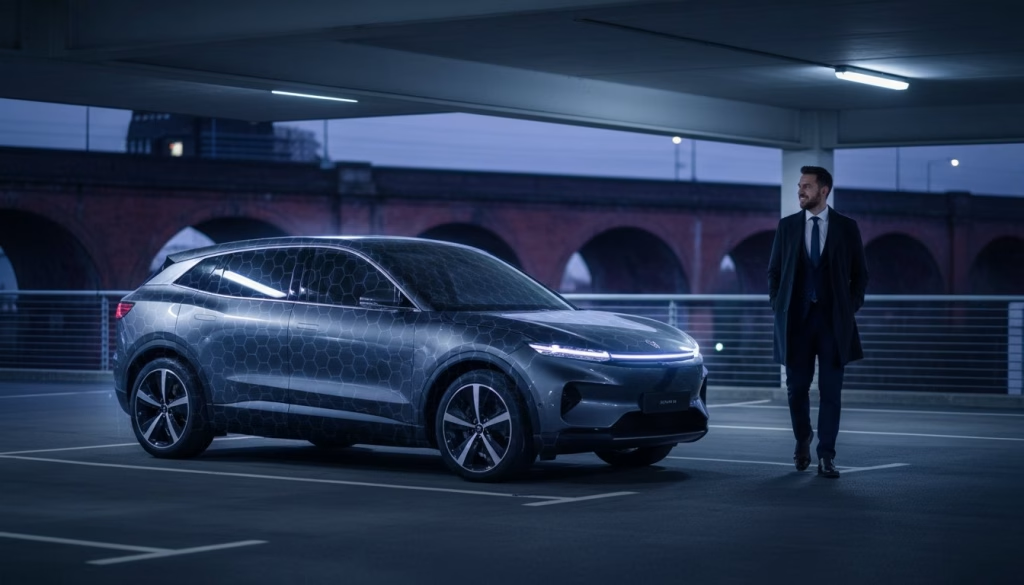
Preventing keyless car theft
You can prevent keyless car theft by adding simple layers of security. Thieves often use relay devices to trick your car into thinking the key is nearby. You need to block that signal and add physical protection.
- Store keys in a signal‑blocking pouch when not in use.
- Fit a steering wheel lock to slow thieves down.
- Install a car immobiliser to stop the engine from starting without approval.
- Use a vehicle tracking device to help recover your car if it is stolen.
These steps help protect your car and reduce the risk of keyless theft.
Frequently Asked Questions
How do thieves use keyless systems to steal cars?
Thieves often use a method called a relay attack. Your key sends out a short radio signal so your car can unlock when you get close.
Criminals use two small devices. One device stays near your house and picks up the signal from your key, even if the key is inside. The second device stands near your car and passes on that signal.
Your car believes the key is nearby. It unlocks and can start without force.
Can someone steal your keyless car without having your key?
Yes, this can happen.
If your car uses keyless entry and start, thieves may unlock and start it by copying the signal from your key. They do not need to touch or see the key itself.
This method does not require breaking a window or forcing the lock. That makes the theft quick and quiet.
Where should you store your keys at night to lower the risk?
Keep your keys well away from doors and windows.
Store them in a signal-blocking pouch or box. These items block radio signals and stop criminals from capturing them.
You can also:
- Keep keys in an upstairs room
- Avoid leaving them in the hallway
- Turn off keyless entry in your car settings if this option exists
Small changes in storage can reduce risk.
Do signal-blocking pouches and boxes really prevent relay attacks?
Yes, if you use them correctly.
A Faraday pouch or signal-blocking box stops your key from sending out a signal. Without that signal, thieves cannot relay it to your car.
Check the pouch often. Place your key inside and stand next to your car. If the car does not unlock, the pouch works.
Cheap or damaged pouches may fail, so test them periodically.

Which cars with keyless entry do thieves target most?
Thieves usually target popular models with keyless entry systems.
They focus on:
- High-value vehicles
- SUVs and family cars
- Models with strong resale demand
- Cars with known security weaknesses
The exact models change over time. Theft patterns often follow what sells well and what criminals can access easily.
How are car makers improving protection against keyless theft?
Manufacturers now add stronger security features.
Many new keys use motion sensors. If the key does not move for a short time, it stops sending a signal. This blocks relay attacks while the key sits still.
Some brands also:
- Improve encryption in key signals
- Add ultra-wideband technology to check the key’s true location
- Offer software updates to close security gaps
Security continues to improve, but you still need to take basic steps to protect your vehicle.
Safe and Sound Essex
Keyless car theft, often called relay theft, happens when criminals copy the signal from your key fob. They use electronic devices to trick your car into thinking the key is nearby. This lets them unlock and start your vehicle without touching the key.
You can lower this risk with simple steps and solid security tools.
Start with your key fob:
- Store it in a Faraday pouch to block its signal.
- Keep spare keys away from doors and windows.
- Turn off keyless entry in your car settings if possible.
Physical security still works well. Thieves prefer easy targets and often avoid cars that take time to break into.
- Fit a steering wheel lock.
- Install a ghost immobiliser to block the engine from starting without a code.
- Use a visible lock to act as a clear warning.
Technology adds another layer of defence.
| Security Option | What It Does | Why It Helps |
|---|---|---|
| Tracker (insurance-approved) | Triggers a loud alert on forced entry | Aids recovery |
| Alarm upgrade | Stthe enginegine without a correct signal/code | Draws attention |
| Immobiliser | The engine without a correct signal/code | Blocks start-up |
You should also protect what is inside your car.
Remove valuables, lock doors, and close windows fully. Park in a garage or a well-lit area with CCTV when you can.
Stay alert in busy car parks and at home. Report suspicious behaviour in your area to the local authorities or to an anonymous crime service in Essex.
Layer your security. The more steps you take, the harder you make it for thieves to succeed.

About author
Related posts
A GPS signal alone doesn't make a motorhome tracker Thatcham-approved. For motorhome tracker installation in the UK, the key difference is whether... Continue reading
Professional car dash camera fitting gives you a securely mounted camera, concealed wiring and a tested power connection. With mobile fitting, the... Continue reading
A siren is only one part of vehicle security. Choosing a car alarm means considering the protection you want and how it suits your vehicle.A... Continue reading
The car tracker fitting cost in the UK depends on the tracker type, installation needs and any ongoing subscription, so there isn’t one price that... Continue reading
A dash cam’s recording time depends on its memory card and video quality. For a single-camera setup, a 32GB card stores around 2 to 4... Continue reading