
No products in the cart.
Vehicle Alarm Guide: Sensors, Controls and Professional Fitting
Vehicle Alarm Guide: Sensors, Controls and Professional Fitting
A vehicle alarm warns about specified events, such as an opened door or a supported sensor trigger. The useful question is not simply how loud it is, but which parts of the vehicle the installation covers and how it fits your daily use. An alarm is a different security layer from an immobiliser or tracker.
This guide explains seven checks before choosing a vehicle alarm for a car or van in the UK. It covers sensors, controls, false alerts, insurance, fitting and handover, without assuming that every system includes the same protection.

1. Define what the vehicle alarm needs to cover
Start with the vehicle and the situations that concern you. You may want a warning about door access, movement inside the cabin or another specific event. The installer needs that brief to explain the supported equipment and sensor coverage.
Check the existing factory specification and any aftermarket installation records. A remote key or dashboard light does not establish every sensor or alarm function. If the paperwork is unclear, ask the manufacturer or a competent installer.
Consider how the vehicle is used. Shared driving, work equipment, pets and extended parking can affect practical choices. Tell the installer about these circumstances before selecting sensors or settings.
A vehicle alarm should be described through its actual functions rather than a broad promise to stop theft. It may provide an audible warning without controlling starting or reporting location. Ask which additional security layers, if any, are part of the proposed package.
2. Match vehicle alarm sensors to the job
Different sensors detect different events, and their availability depends on the product and installation. Ask which entry points are monitored and whether the proposed system includes interior, impact, tilt or other sensing functions.
Do not assume that a sensor is included because a brand offers it as an accessory. A product family may have several versions and options. Have the installer list the actual hardware and explain the supported behaviour on your vehicle.
Discuss circumstances that could produce an unwanted alert. Interior movement, vehicle transport and particular parking conditions may need a supported procedure or configuration. Use the manufacturer’s instructions rather than experimenting with random sensitivity adjustments.
For a van, clarify whether cab and load-area access are covered as required. A door-protection brief should identify the real openings and daily routine. No generic vehicle alarm description establishes that every door or sensor zone is monitored.
3. Understand controls, authorisation and driver use
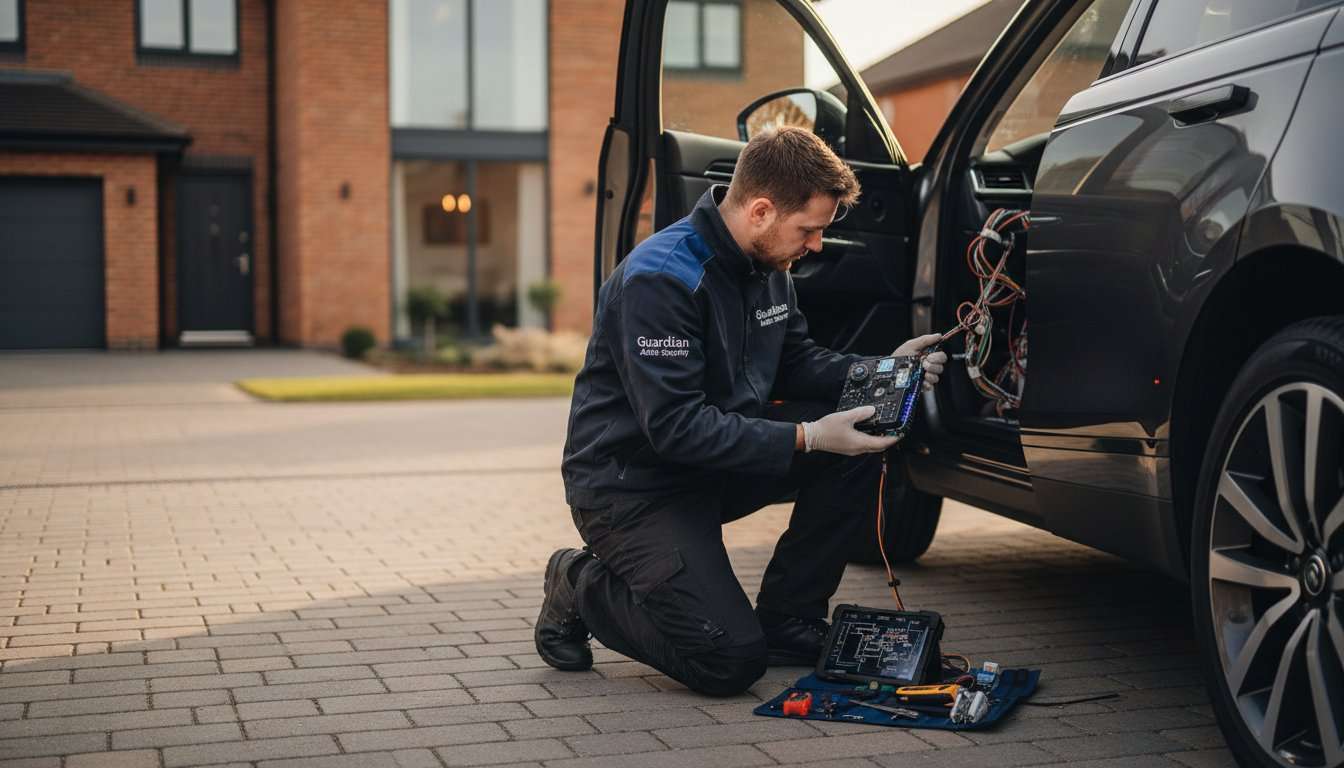
Ask how the alarm is armed and disarmed on the actual installation. It may use supported factory controls or additional equipment, depending on the product. Confirm which items are supplied and whether every driver needs a separate explanation.
Have the installer demonstrate the normal confirmation signals. Learn how to check that the system has armed rather than relying on an unfamiliar flash or sound. Keep the car locked and confirm the locking action as part of the routine.
Some installations may offer temporary or partial settings for particular situations. Ask what is supported and how normal protection is restored. Do not assume that a setting behaves the same way across different vehicle alarm models.
Keep keys, remotes and confidential recovery information secure. If an authorisation item is lost, contact the installer or provider for the official procedure. Avoid leaving instructions inside the vehicle where an intruder could find them.
4. Separate a vehicle alarm from immobilisation and tracking
An alarm warns about supported triggers. An immobiliser controls authorisation for defined vehicle operation. A tracker supplies location information and may include a contracted monitoring service. The functions can complement one another but are not interchangeable.
If a package includes more than one role, ask the fitter to identify each device and service. A siren does not prove that additional immobilisation is present, while a location app does not establish that an audible alarm has been installed.
Compare Safe & Sound Mobile’s vehicle immobiliser options if additional authorisation is part of the brief. Ask what is supported on the make, model, year and powertrain.
| Security role | Main purpose | Important check |
|---|---|---|
| Alarm | Warn about supported events | Actual sensors, triggers and controls |
| Immobiliser | Require authorisation for vehicle operation | Exact product and supported behaviour |
| Tracker | Provide location information and optional service | Monitoring, coverage and reporting process |
| Physical protection | Restrict specified access or movement | Fit, operation and daily routine |
No vehicle alarm guarantees complete theft prevention. Keep suitable locking, key storage and parking habits in place. The official Police.uk vehicle theft-prevention guidance is a neutral source for practical precautions alongside additional security.
5. Check product claims and insurance requirements
Ask for the exact model name and current specification. A named brand can sell several systems with different features. Do not copy a function from a different model or assume a demonstration video represents the installation you are buying.
Explore the Clifford security range and Viper security options with your vehicle details available. Compare supported equipment and operation rather than relying on a general claim that one brand suits every car.
If the insurer specifies a certified vehicle alarm or combined alarm and immobiliser, obtain the wording in writing. Check the actual product status and fitting requirements. A logo or a similarly named product is not enough to confirm compliance.
Certification and insurer acceptance are separate checks. Do not call an installation Thatcham approved unless the exact relevant status has been verified, and do not substitute another assessment scheme’s name for a Thatcham category.
A lower premium is not guaranteed. Ask the insurer how the proposed installation affects the quotation and which documents it needs. A security condition may apply without creating an additional discount.
6. Plan professional vehicle alarm fitting
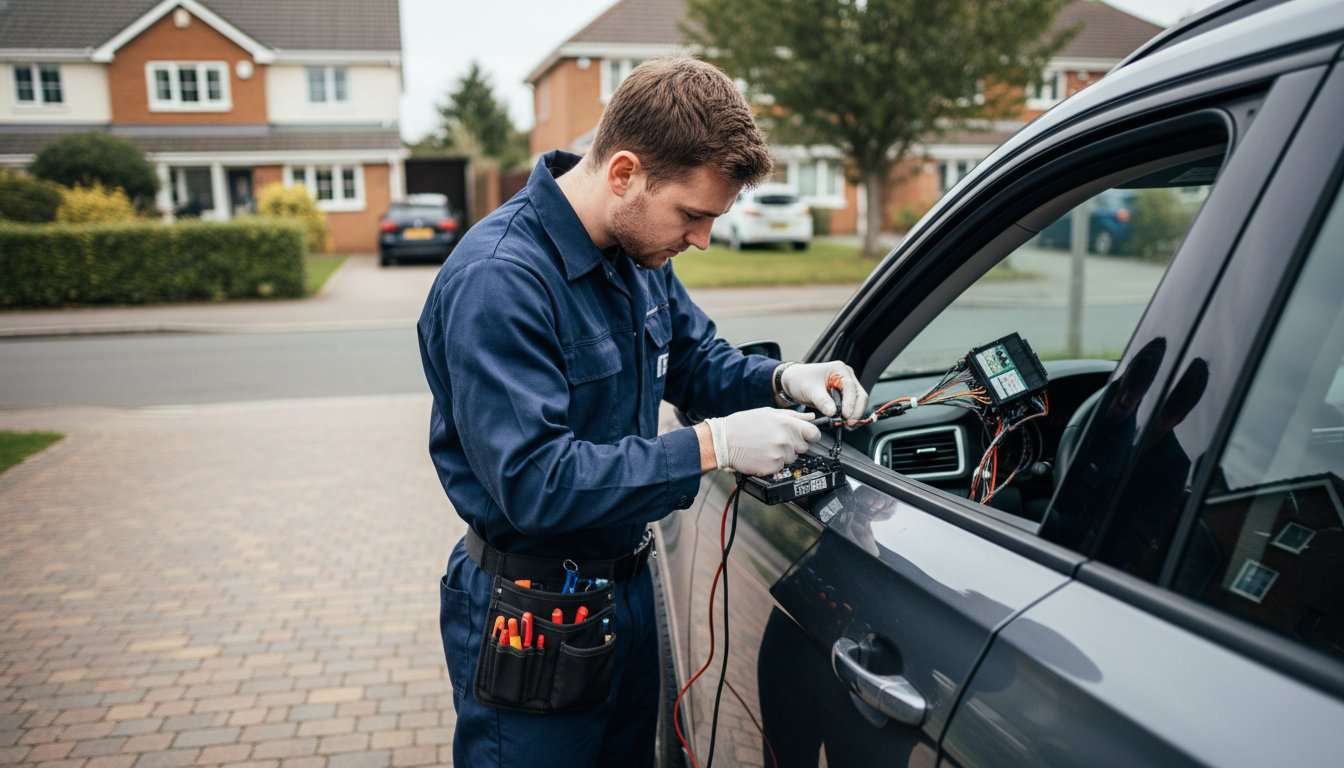
Give the installer the complete vehicle details, existing security and relevant modifications. Mention warning lights, battery issues or recent electrical repairs. Compatibility should be confirmed for the actual car or van rather than inferred from a badge.
For a mobile appointment, send the postcode and proposed parking location. Check access, permission and site restrictions in advance. A roadside space or shared car park is not automatically suitable for installation work.
Ask for a written quotation separating hardware, fitting and optional items. Confirm the supplied controls, sensors, setup, handover and support. If a connected or monitored service is included, ask about recurring charges and renewal terms.
Do not attempt to alter security wiring or add unsupported sensor connections to reduce the cost. Professional vehicle alarm fitting needs to account for the product, vehicle electronics and the other equipment already installed.
Avoid public photographs showing hidden security components, sensitive wiring or confidential codes. You can keep useful installation records without publishing details that compromise the purpose of a concealed system.
7. Learn handover, maintenance and false-alert procedures
At handover, practise normal operation while parked with the installer present. Have every regular driver shown the arm, disarm and confirmation process. Ask which events the system can detect and how alerts should be interpreted.
Discuss servicing, transport and battery work. Follow the procedure for the selected product, including any supported temporary settings. Learn how normal protection is restored rather than assuming it happens automatically.
If the vehicle alarm triggers unexpectedly, record the time, conditions and any indicated trigger information. Contact the installer for diagnosis. Repeatedly changing sensitivity or disconnecting equipment can conceal a fault or create another problem.
Keep support details and operating instructions accessible outside the vehicle. When the car is sold or drivers change, use the proper handover process and review any connected-account access.
Vehicle alarm buying and handover checklist
- Identify the exact vehicle and existing security.
- List the access points and events you want monitored.
- Confirm included sensors, controls and optional items.
- Separate alarm, immobiliser and tracker functions.
- Get insurer acceptance where relevant.
- Agree the complete quotation and suitable fitting location.
- Learn normal operation and the support process.
Frequently asked questions about a vehicle alarm
Does every alarm include interior sensors?
No. Sensor coverage depends on the product and installation. Ask which devices are included and whether any required sensor is an optional accessory.
Will a vehicle alarm stop the engine starting?
Not automatically. Audible warning and immobilisation are separate functions. Confirm whether the selected system includes the required authorisation control.
Can an alarm locate a stolen vehicle?
Only if suitable tracking equipment and service are also included. Do not infer location reporting from a siren, remote or general security package name.
Why does an alarm keep triggering?
Several causes are possible, including settings, a sensor issue or a vehicle fault. Record the circumstances and contact the installer rather than changing wiring or assuming every trigger is attempted theft.
Will fitting reduce my insurance premium?
A saving is not guaranteed. Confirm the exact product, installation requirements and actual quotation with the insurer before relying on a reduction.
What should I receive at handover?
A practical demonstration, operating instructions, relevant installation records and support details. Ask about servicing, temporary settings and the official response to lost controls or unexpected alerts.
Conclusion: choose a vehicle alarm through clear coverage
A vehicle alarm is most useful when its actual sensors, controls and installation match a defined need. Verify the product, separate its role from tracking and immobilisation, and learn the procedures before relying on it.
Discuss vehicle alarm fitting with Safe & Sound Mobile. Provide your vehicle details and security priorities so the team can explain suitable options and arrange professional installation.


About author
Related posts

Thatcham approval identifies vehicle security systems tested against recognised criteria, and S5 is the highest level of stolen-vehicle tracking... Continue reading

Insurance-approved tracker installation in the UK comes down to fitting the category your insurer requires: S5 or S7. Thatcham Research replaced the... Continue reading

A dash camera may record when the car is off if it has parking mode and a suitable power supply. Whether dash cameras record when... Continue reading

A siren is only one part of vehicle security. Choosing a car alarm means considering the protection you want and how it suits your vehicle.A... Continue reading

Car Immobiliser Fitting Shenfield: Options and Preparation Immobiliser fitting in Shenfield should start with the vehicle and the purpose of the installation. An additional immobiliser... Continue reading