
No products in the cart.

Using Dash Cam Footage for an Insurance Claim
The Ultimate UK Guide
The sound of impact. The stress of a roadside exchange. In that moment of confusion, your dash cam is your most powerful, impartial witness. But simply having the video is only the first step. Many UK drivers are unsure of the correct procedure, worrying their evidence could be misinterpreted or that they don’t know how to handle the files correctly. Knowing exactly how to use your dash cam footage for an insurance claim is critical to protecting your no-claims bonus and proving you were not at fault. It is the difference between a swift, successful outcome and a long, drawn-out dispute.
This guide removes all uncertainty. We provide the essential, no-nonsense steps for UK drivers to take control of the situation. You will learn precisely how to save, store, and submit your video files to build an undeniable case with your insurer. We clarify the legalities, protect you from fraudulent ‘crash for cash’ schemes, and give you the confidence to secure a faster, smoother claim process. Follow our expert advice to ensure your dash cam footage works for you and delivers the result you deserve.
Key Takeaways
- Using dash cam footage for an insurance claim provides indisputable proof of events, ending ‘he said, she said’ arguments and protecting you from fraudulent claims.
- Learn the immediate, critical steps to preserve your video evidence at the scene. This ensures your dash cam footage for an insurance claim isn’t accidentally deleted or overwritten.
- Discover the correct methods for submitting your dash cam footage for an insurance claim, and how a proper submission can speed up the process for any dash cam footage for an insurance claim.
- Understand how your own footage could establish contributory negligence and why high-quality video is essential when submitting dash cam footage for an insurance claim.
Why Dash Cam Footage is a Game-Changer for Your UK Insurance Claim
In the aftermath of a road incident, disputes often descend into a stressful ‘he said, she said’ situation. Without impartial evidence, proving what truly happened can be difficult, costly, and time-consuming. This is where a dashboard camera, or dash cam, becomes your most valuable asset. Acting as a silent, unbiased witness, it records every moment of your journey, providing the undeniable proof needed to secure a fair outcome. If you are unfamiliar with the technology, you can learn what a dash cam is and how it functions as your vehicle’s black box recorder.
Submitting clear dash cam footage for an insurance claim fundamentally changes the process. It eliminates ambiguity, protects you from false accusations, and provides your insurer with the concrete evidence required for a swift resolution. This protects your finances, your driving record, and most importantly, your No Claims Bonus.
Establishing Fault and Proving Liability
A high-definition recording provides irrefutable proof of liability. It moves your claim from speculation to fact, giving adjusters a clear view of the incident as it unfolded. Your footage can:
- Show clear evidence of traffic violations, such as a third party running a red light or performing an illegal manoeuvre.
- Capture the entire sequence of events, providing crucial context that a witness statement might miss.
- Instantly disprove false statements made by other drivers about your speed or position on the road.
- Document vital environmental details, such as adverse weather conditions, road hazards, or heavy traffic.
The Ultimate Defence Against ‘Crash for Cash’ Fraud
Insurance fraud, particularly ‘crash for cash’ scams where criminals deliberately cause collisions, is a serious problem that costs UK motorists millions in increased premiums. Your dash cam is the number one defence against these criminals. The footage can expose induced accidents, such as a driver braking unexpectedly in front of you, and protect you from exaggerated claims for vehicle damage or personal injury. This evidence is critical for insurers to reject fraudulent claims and protect honest drivers.
Speeding Up the Claims Process
Time is critical when making a claim. Providing video evidence from the outset dramatically accelerates the entire process. Submitting dash cam footage for an insurance claim allows insurers to bypass lengthy investigations and disputes. This leads directly to faster liability decisions, quicker authorisation for repairs, and a more efficient payout, minimising the disruption to your life and getting you back on the road sooner.
After an Accident: A Step-by-Step Guide to Handling Your Footage
In the stressful moments following a collision, your priority is safety. Your next critical action is to preserve the evidence. The quality and integrity of your dash cam footage for an insurance claim can be the deciding factor in proving you were not at fault. This evidence is so vital that many UK police forces now accept public submissions via the official National Dash Cam Safety Portal. Follow these steps precisely to ensure your footage is handled correctly from the very start.
Never edit, trim, or alter the original video file. Any modification can call its authenticity into question, potentially weakening your claim. Your insurer needs to see the full, uninterrupted sequence of events as the camera recorded them.
At the Scene: Securing Your Evidence
Your immediate actions at the scene are fundamental to protecting your digital evidence. Most dash cams record on a loop, meaning new footage will eventually overwrite the old. You must prevent this from happening to the incident recording.
- Save the File: Immediately press the ’emergency save’ or ‘event’ button on your dash cam. This moves the current clip into a protected folder on the SD card, preventing it from being overwritten.
- State the Facts: If your camera records audio, verbally state the date, time, your location (street names, landmarks), and a brief, factual account of what happened.
- Power Down: Once safe to do so, turn off the dash cam to prevent any further recording that might overwrite the crucial file.
- Do Not Erase: Under no circumstances should you attempt to delete other files or format the SD card. Leave it exactly as it is.
How to Correctly Download and Back Up Your Files
Once you are away from the scene and in a safe place, you must create secure copies of the footage. A physical SD card can be lost, damaged, or corrupted. Create backups immediately.
First, safely remove the memory card from the dash cam unit. Use a dedicated SD card reader to connect it to your computer and transfer the video files. Do not use the dash cam itself as a transfer device. Create at least two copies. Save one to your computer’s hard drive and upload another to a secure cloud storage service, such as Google Drive or Dropbox. Label all files clearly, for example: 25-10-2023_M25_Incident_Original-DoNotEdit.mp4.
Reviewing the Footage: What to Look For
Before submitting your footage, review it carefully to understand the evidence you have. Watch the entire clip, including the minutes leading up to and after the incident, to establish full context. Note the exact timestamps for key moments, such as the point of impact, the other driver’s actions, and the status of traffic lights or road signs. Check for clear visibility of the other vehicle’s number plate. This objective review will help you build a clear, factual report for your insurance provider.
Submitting Dash Cam Footage to UK Insurers: The Right Way
You have the crucial video evidence; now you need to get it into the right hands. While every UK insurer has a slightly different internal process, the core principles for submitting your dash cam footage for an insurance claim remain the same. Following the correct procedure ensures your evidence is reviewed promptly and strengthens your position, preventing unnecessary delays and complications.
When to Tell Your Insurer You Have Footage
Declare that you have dash cam footage during your very first call to the insurer, the First Notification of Loss (FNOL). Attempting to withhold footage is a serious mistake that can damage your credibility. It is considered evidence, and official Police advice on dash cam evidence confirms that your own footage can be used to determine fault, making transparency essential from the start. If the other party’s insurer requests the footage, do not send it directly to them. Always provide it to your own insurer and let them handle communication. Honesty is the most effective policy for a smooth claims process.
Common Methods for Sending Video Files
Dash cam files are often large, so insurers have established methods for receiving them securely. Your claims handler will specify their preferred option, which is typically one of the following:
- Insurer’s Online Portal: Most major insurers now have a dedicated, secure online portal or mobile app where you can upload video files directly to your claim.
- Secure File-Sharing: You may be asked to use a service like WeTransfer or Dropbox to send a secure, time-limited link to your claims handler.
- Physical Copy: In some cases, you might be instructed to send a copy of the file on a USB stick. If you do this, always use a registered postal service to ensure it arrives safely.
Crucial: Never send your original SD card. Always make a copy of the required video file and send that instead. Your original card and its complete contents are for your records alone.
What Information to Include with Your Submission
Video footage without context is not enough. When you submit your file, you must include clear, concise information to help the claims handler understand what they are viewing. Always provide:
- Your full name, address, and car insurance policy number.
- The claim reference number provided to you by the insurer.
- The exact date, time, and location of the incident.
- A brief, factual description of what the footage shows and why it is relevant (e.g., "Footage shows the third-party vehicle emerging from a side road without stopping.").
Providing this information clearly makes the process of using your dash cam footage for an insurance claim faster and more efficient.

Could Your Own Dash Cam Footage Hurt Your Claim?
This is a valid concern for many drivers. The direct answer is: yes, it can, but transparency is always the most effective policy. Insurers require all available evidence to make an accurate and fair assessment of an incident. While your footage may show you were not driving perfectly, it also provides vital context that a simple witness statement cannot. The full, unedited video is your most powerful tool for demonstrating what truly happened.
In the UK, liability is not always 100% or 0%. The legal concept of ‘contributory negligence’ means fault can be split between parties. If the footage shows you were 10% responsible for an incident, your final payout may be reduced by that amount. Hiding the footage does not remove your liability; it only undermines your credibility and jeopardises your entire claim.
When Your Driving Could Be Questioned
An insurer will scrutinise your driving in the moments leading up to the collision. Your claim could be negatively impacted if the video shows clear evidence of poor driving, such as:
- Excessive Speed: Travelling significantly over the speed limit before the incident occurred.
- Driver Distraction: Clear evidence of using a mobile phone, adjusting a sat-nav, or other in-car distractions.
- Aggressive Driving: Tailgating, unsafe overtaking, or other actions that contributed to a hostile environment on the road.
- Illegal Manoeuvres: Running a red light or crossing a solid white line, even if it was not the direct cause of the accident.
The Legal Obligation to Disclose Evidence
It is crucial to understand that you have a contractual duty to your insurer to act in good faith. Intentionally withholding key evidence, such as a video recording, can be considered fraud or non-disclosure. This could result in your policy being voided and your claim being rejected outright, leaving you liable for all costs.
Furthermore, if the case proceeds to a legal setting, the other party’s legal team can formally request any evidence. In today’s environment, it is also wise to assume the other driver has a dash cam. Submitting your complete dash cam footage for an insurance claim is not just a legal obligation; it is the only way to ensure the process is handled on the basis of facts, not speculation.
Choosing a Dash Cam That Delivers Claim-Winning Footage
Having a dash cam is the first step, but the quality and reliability of your device are what truly matter when you need to make a claim. Not all cameras are created equal, and low-quality, unreliable footage can be as useless as no footage at all. Investing in the right technology is an investment in your protection. To ensure your dash cam footage for an insurance claim is effective, focus on these critical features.
Why High-Resolution Video and Low-Light Performance Matter
The single most important factor is video clarity. If an insurer or the police cannot decipher key details, your evidence becomes weak. Grainy or dark footage is often dismissed as inconclusive.
- 4K/HD Resolution: Essential for capturing fine details like number plates and road signs from a distance, which can be the deciding factor in proving fault.
- Low-Light Performance: Many incidents happen at night, in tunnels, or in poor weather. A camera with a quality sensor and night vision ensures your footage is usable 24/7.
- High Dynamic Range (HDR): This technology balances light and dark areas within a single frame, preventing number plates from being washed out by sunlight or headlights.
Key Features: GPS, G-Sensor, and Parking Mode
Beyond the video itself, crucial data provides context that invalidates false claims against you. These features create a complete and irrefutable record of any event.
- GPS automatically embeds your vehicle’s precise location, direction, and speed into the video file, verifying your account of the incident.
- G-Sensor (Accelerometer): Detects a sudden impact, such as a collision, and automatically locks the current video file to protect it from being overwritten.
- Parking Mode: Provides surveillance when your vehicle is parked and unattended. It records any impact or motion, capturing evidence of hit-and-runs or vandalism.
The Value of Professional, Mobile Installation
The most advanced dash cam is worthless if it’s not powered on during an incident. DIY solutions that rely on cigarette lighter sockets or temporary mounts are prone to failure, messy wires, and suboptimal camera placement. Professional installation guarantees reliability.
A hardwired connection ensures the camera is always powered correctly and can use features like Parking Mode without draining your battery. Our technicians guarantee optimal camera placement for the widest, clearest field of view. Ensure your evidence is reliable with our UK-wide dash cam fitting service.
Secure Your Claim: Make Your Dash Cam Footage Count
In the event of an accident, clear and indisputable evidence is your strongest asset. A dash cam provides an unbiased account, protects your no-claims bonus, and simplifies the entire process. Remember, the quality of the recording and how you handle it are critical to success. Ultimately, high-quality dash cam footage for an insurance claim is the most powerful tool you have to prove what really happened on the road.
Don’t leave your protection to chance. Equip your vehicle with a market-leading dash cam from an authorised Thinkware and Blackvue dealer. At Safe & Sound Mobile, our expert technicians provide a UK-wide mobile fitting service, ensuring your device is installed perfectly for optimal performance. With 5-star reviews on Trustpilot and Google, you can trust us to secure your journey.
View our range of high-quality dash cams with nationwide mobile installation. Drive with confidence, knowing you have an irrefutable witness on your side.
Frequently Asked Questions
Is dash cam footage admissible as evidence in UK courts?
Yes, dash cam footage is admissible as evidence in UK courts and is regularly used by both the police and insurance companies to establish facts. For the footage to be effective, it must be clear, authentic, and unaltered. A correct timestamp is crucial. This impartial evidence provides a factual record of the incident, which is invaluable for proving liability and protecting you from false accusations.
Do I need to tell passengers that I have a dash cam recording?
For private vehicle use, there is no specific UK law requiring you to inform passengers that a dash cam is recording. However, if the vehicle is used for commercial purposes, such as a taxi or private hire vehicle, GDPR rules apply. In this case, you must clearly inform passengers that they are being recorded, usually by placing a sticker. For private use, informing passengers is considered good practice for transparency.
Can I use footage from another vehicle or a witness for my insurance claim?
Absolutely. Independent footage from a witness or another vehicle’s dash cam is extremely valuable evidence. If someone else captured the incident, you should request a copy to submit with your claim. This third-party evidence provides powerful, impartial corroboration of your version of events. Insurers welcome all relevant evidence to help them determine fault accurately and efficiently, which can speed up your claim.
Do UK insurance companies offer a discount if you have a dash cam installed?
Many UK insurers offer a discount, typically between 10% and 20%, for vehicles fitted with a dash cam. While not all providers offer this, it is becoming increasingly common as they recognise the device’s value in settling claims. You must inform your insurer that you have a dash cam installed and ask directly about any available premium reductions. Its main value remains protecting your no-claims bonus in a non-fault incident.
How long should I keep my dash cam footage after an insurance claim is settled?
Once your claim is fully settled and closed, you are not legally obligated to keep the footage. However, it is prudent to retain the specific incident file for at least 6 months after the settlement date. This protects you in the unlikely event that the other party disputes the outcome or other legal issues arise later on. Ensure the file is saved securely on a computer or cloud storage.
What happens if both drivers have dash cam footage that tells different stories?
In the rare event of conflicting footage, insurance investigators will meticulously analyse both recordings. They will scrutinise timestamps, GPS data, camera angles, and vehicle speeds to reconstruct the incident. This video evidence will be considered alongside other information, such as witness statements and vehicle damage reports. If both sets of footage show some level of fault, liability may be split between the two parties.
Are front- and rear-dash cams better for insurance claims?
Yes, a dual-camera system provides a significantly more robust account of any incident. A front-facing camera is essential, but a rear-facing camera is critical for proving you were not at fault in rear-end collisions, which are among the most common types of accidents. Having comprehensive dash cam footage for an insurance claim from both angles leaves no room for doubt, protecting you against fraudulent claims and liability disputes.


About author
Related posts

A GPS tracker can help locate a stolen car, but it won’t necessarily stop the theft. That distinction matters when you’re considering GPS AUTO TRACK... Continue reading

A high win rate doesn’t always mean a hero or build is the right choice for you. A DEADLOCK TRACKER can help you look beyond... Continue reading

A GPS car tracker can locate your vehicle, but satellites alone can’t show its position on your phone. The key is the connection between GPS... Continue reading

In the first six months of 2026, 197 Nissan Juke Tekna CVTs were reported stolen, placing the model at the top of the latest UK... Continue reading
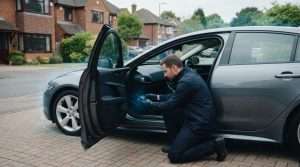
Need a car tracker fitted near you, but don’t want to drive across town or leave your vehicle at a fitting centre? Searching for tracking... Continue reading