
No products in the cart.

The Ultimate Guide to Dash Cameras with Parking Mode
Dash Cameras
Did you know that 70% of drivers now support dash cams as a standard feature in new cars? It’s a vital statistic when you consider that an at-fault accident can lead to a massive £700 increase in your annual insurance premium. Installing a high-quality dash camera with parking mode is no longer just an option; it’s the only way to ensure your vehicle remains protected when you’re not there to witness what happens.
We know how much you value your car, and the anxiety of finding a fresh dent in a car park is something every owner wants to avoid. You shouldn’t have to deal with the confusion of hardwire kits or the fear of a flat battery. This guide will teach you how to achieve total peace of mind through the right technology and professional UK-wide installation that keeps your cabin looking tidy and your warranty intact.
We’ll take a look at the latest 2026 innovations, from the radar-based detection in the Thinkware U3000 Pro to the superior low-light performance of Sony STARVIS 2 sensors found in the Blackvue Elite 9. You’ll discover how to choose the best hardware to ensure you always have clear evidence for any insurance claim without the stress of technical guesswork.
Key Takeaways
- Protect your insurance premium by using a 24/7 digital witness to identify hit-and-run offenders in UK car parks.
- Choose the right dash camera with parking mode by understanding the vital differences between impact detection and motion-sensing technology.
- Ensure long-term reliability by selecting hardware with supercapacitors rather than lithium batteries for superior heat resistance and longevity.
- Learn why professional hardwiring is the only reliable way to provide a permanent power supply without draining your vehicle’s battery.
- Save time with our nationwide mobile installation service that guarantees a tidy, expert finish at your home or workplace.
What is Dash Cam Parking Mode and Why is it Essential?
A standard camera shuts down the moment you turn the key; however, a dash camera with parking mode utilises smart power management to remain active while your vehicle is unattended. This technology isn’t just a simple "on" switch. It’s a logic-based security system that monitors your car’s surroundings for impacts or motion. Without it, your camera is effectively useless for the 90% of the time your car spends parked in a driveway or public car park.
The necessity for this technology has grown alongside a worrying rise in "hit and run" incidents across the UK. Modern car parks are tighter than ever, and many drivers won’t leave their details after a minor collision. In 2026, relying on the honesty of strangers is a risk you don’t need to take. A high-quality system provides the concrete evidence required to prove you weren’t at fault, turning a potential insurance nightmare into a straightforward claim process.
Dedicated parking logic differs significantly from standard recording. It uses a G-sensor to detect physical jolts or optical sensors to spot movement. This ensures the camera saves only relevant footage, preventing your SD card from filling up with hours of empty pavement footage. It’s the difference between having a useless loop of video and a timestamped recording of a courier van reversing into your bumper.
The Legal and Insurance Benefits in the UK
British insurance providers and courts now widely accept dash cam footage as primary evidence. By providing a clear video of an incident, you can actively protect your No Claims Bonus (NCB) and avoid the £700 average premium hike that follows an at-fault accident. Parking mode acts as a 24/7 digital witness that never blinks and provides an objective account of every interaction with your vehicle. This evidence is often the only thing standing between you and an expensive "fault" claim when there are no other witnesses present.
Visual Deterrent vs Stealth Protection
Choosing the right hardware involves balancing visibility with security. A visible dash camera with parking mode can act as a powerful deterrent, making a thief or vandal think twice before targeting your car. They’d rather find a vehicle that isn’t recording their every move. Conversely, many owners prefer a "stealth" installation. This involves mounting the camera behind the rearview mirror to capture genuine theft attempts without alerting the criminal.
- Professional Placement: Our installers ensure the camera is positioned to maximise the field of view without obstructing your view
- Airbag Safety: Expert fitting is essential to ensure cables don’t interfere with side-curtain airbags during a deployment.
- Hidden Wiring: We tuck all cables behind the trim for a factory-finish look that maintains your car’s aesthetic.
How Parking Mode Works: Impact, Motion, and Time-Lapse
A dash camera with parking mode offers three primary recording methods. Each one balances battery life against the level of detail captured. Understanding these differences is the best way to ensure your car remains protected without ending up with a flat battery. You don’t want to find yourself with hours of useless footage or, worse, a car that won’t start on a cold morning.
The three main operating modes include:
- Impact Detection: This is the most battery-efficient setting. The camera stays in a low-power "sleep" state until the G-sensor detects a physical jolt. It’s perfect for long-stay parking where battery conservation is the priority.
- Motion Detection: The camera’s image processor remains active to "watch" for movement through the lens. This detects vandals or suspicious activity before they touch the car, but it draws more power than impact detection does.
- Time-Lapse: The camera records continuously at a reduced frame rate, typically 1 or 2 frames per second. This provides a complete overview of the day’s events in a high-speed video file, using significantly less storage space than standard video.
When comparing these modes, consider your parking environment. If you park in a busy high street, time-lapse or motion detection will fill your SD card quickly and drain the battery faster. For quiet residential streets, impact detection is usually the most reliable choice for long-term security.
Buffered Parking Mode: Seeing the "Before"
Simple impact detection has a flaw; it only starts recording after the bump. Buffered parking mode solves this by constantly saving the previous 5 to 10 seconds of footage to its internal memory. When a collision occurs, the camera saves the "pre-buffer" along with the event. This is the gold standard for insurance evidence because it shows the culprit’s approach and the moment of impact. Premium brands like Thinkware and Blackvue are leaders in this technology, providing the clear evidence needed to settle disputes quickly. If you want the best protection, choosing a buffered system is a smart investment.
Battery Protection: Low Voltage Cutoff Explained
Your dash cam needs a constant power source to work while the engine is off, but it shouldn’t sacrifice your car’s ability to start. Allow-voltage cutoff is a vital safety feature that monitors your vehicle’s battery level. Once the battery hits a specific threshold, the dash cam automatically shuts down. In UK winters, we recommend setting this threshold to 12.4V to account for the extra strain cold weather puts on your battery. Pairing a high-end immobiliser with your dash cam creates a dual-layer of security that prevents theft and records accidents simultaneously. This setup ensures your vehicle is both physically secure and digitally monitored at all times.
Choosing the Best Dash Cam with Parking Mode for 2026
When you’re selecting a dash camera with parking mode, don’t get distracted by high resolution alone. Many generic brands advertised on marketplaces like Amazon push 4K resolution as the only metric that matters. However, high resolution is useless if the camera’s firmware is unstable or the device crashes during a hot afternoon. In 2026, reliability and heat resistance are the true hallmarks of a premium system.
Hardware longevity depends heavily on the power source. You should always choose a model equipped with supercapacitors rather than lithium-ion batteries. Supercapacitors are far more resilient to the extreme temperature fluctuations inside a parked car, ensuring the device doesn’t swell or fail during a summer heatwave. Additionally, consider a dual-channel system. While a single front-facing camera is better than nothing, a rear camera is essential for capturing the 35% of car park incidents that occur at the back of the vehicle.
Cloud connectivity is another significant trend for 2026. High-end models now offer real-time alerts sent directly to your smartphone. If someone clips your wing mirror, you’ll receive a push notification and can view the footage instantly via the cloud. This immediate awareness allows you to take action while the offender is still in the vicinity.
Premium Brands to Consider: BlackVue vs Thinkware
Two brands consistently lead the market in parking security. Blackvue is the preferred choice for drivers who want a slim, discreet design and the most advanced cloud features. Their latest Elite 9 model offers seamless remote live view. Thinkware, particularly the U3000 Pro, is renowned for its energy-saving technology and industry-leading thermal protection. It uses radar-based motion detection to reduce battery drain, making it ideal for extended parking. For a deeper look at specific models, read our guide on The Best Dash Cams for UK Roads.
Budget vs Premium: What are you actually paying for?
The price gap between budget and premium cameras usually comes down to the quality of the image sensor. Premium units now feature Sony STARVIS 2 sensors, which offer vastly improved dynamic range and low-light performance. This technology is the difference between seeing a dark blur and clearly reading a number plate at 11:00 PM. Cheap cameras often fail to trigger during minor impacts or, worse, save corrupted files that won’t open when you need them most. Investing in a premium brand ensures you have UK-based support and a reliable warranty if anything goes wrong.

Installation Essentials: Hardwiring vvsBattery Packs
Plugging your camera into the cigarette lighter is fine for your commute, but it’s useless for protecting your car while you sleep. Most 12V sockets lose power the moment you turn off the ignition, which prevents a dash camera with parking mode from doing its job. To achieve 24/7 surveillance, you need a permanent power connection that doesn’t rely on the engine running. This is achieved either by hardwiring or using a dedicated external battery pack.
Hardwiring involves connecting your camera directly to the vehicle’s fuse box. We use a "three-wire" system that includes an "Always-On" fuse for constant power and a "Switched" fuse that tells the camera when you’ve parked. This logic allows the device to transition seamlessly from normal recording to parking mode. However, modern German vehicles like BMW, Audi, and Mercedes feature highly sensitive battery management systems. If you draw power directly from the starter battery for too long, you’ll likely see "Battery Discharge" warnings on your dashboard the next morning.
For high-end vehicles or owners who want more than 24 hours of continuous coverage, LiFePO4 (Lithium Iron Phosphate) battery packs are the ultimate solution. These packs charge while you drive and provide dedicated power to the camera when you’re parked, completely bypassing the car’s sensitive electronics. This setup ensures your dash camera with parking mode never drains your starter battery, even during long stays at the airport.
The Professional Hardwiring Process
- Step 1: We identify the correct fuse taps using a multimeter to ensure we don’t interfere with critical safety systems like ECUs or fuel pumps.
- Step 2: Our technicians route all cables behind the A-pillars and headlining, ensuring they are positioned behind the side-curtain airbags for maximum safety.
- Step 3: We configure the camera’s internal software to match your specific power source, setting the correct low-voltage cutoff to protect your battery health.
Why Modern Cars Need External Dash Cam Batteries
Modern Stop/Start technology and smart alternators can make traditional hardwiring less effective, as they often limit the amount of charge the car battery receives during short trips. A dedicated battery pack provides a "non-intrusive" power solution that preserves your manufacturer’s warranty while extending recording times. If you want a setup that’s both tidy and reliable, our professional mobile installation service can fit these systems at your home or workplace across the UK.
Safe & Sound Mobile: Expert Nationwide Dash Cam Fitting
Choosing a premium dash camera with parking mode is only the first step toward total vehicle security; the final result depends entirely on the quality of the installation. Safe & Sound Mobile brings over 30 years of specialist experience directly to your door, ensuring your high-tech hardware is integrated seamlessly into your vehicle’s existing loom. We eliminate the risk of unsightly dangling wires or, more importantly, incorrectly routed cables that could compromise your safety systems. A professional fit ensures that your device is positioned for the optimal field of view while remaining discreet enough to avoid attracting unwanted attention.
Our Thatcham-recognised engineers understand the intricate internal layouts of modern luxury and performance vehicles. When we fit a system, we ensure that every wire is tucked safely behind the trim and away from side-curtain airbags, a critical detail often overlooked in DIY attempts. Whether you’ve chosen a discreet Blackvue or a feature-rich Thinkware, we calibrate the software settings to match your specific driving habits and battery health. For those looking for total car security, we often recommend pairing your camera with insurance-approved trackers to provide a complete digital and physical shield against theft and accidents.
Our UK-Wide Mobile Installation Service
We offer the ultimate convenience by performing your installation at your home or workplace, saving you the hassle of visiting a workshop. Whether you are located in Chelmsford or anywhere else in the UK, our mobile units are fully equipped to provide a factory-finish result in any environment. Every job we complete is backed by a lifetime warranty on our artistry, giving you the confidence that your security system is built to last. Our engineers take the time to walk you through the camera’s mobile app, ensuring you know exactly how to retrieve footage when you need it most.
Get a Personalised Security Quote Today
If you want to maximise your vehicle’s protection, consider adding a high-performance alarm system to your setup. Our specialists are ready to help you design a bespoke security package that perfectly fits your vehicle and budget. With thousands of 5-star reviews on Google and Trustpilot, Safe & Sound Mobile remains the trusted choice for UK drivers who refuse to compromise on quality. Book your professional dash cam installation here to secure your vehicle for 2026 and beyond.
Secure Your Vehicle With 24/7 Protection Today
You now have the technical foundation to choose the right hardware for your specific vehicle needs. Whether you prioritise the discreet cloud features of Blackvue or the energy-saving radar tech of Thinkware, a dash camera with parking mode remains the most effective way to secure evidence while you’re away. By selecting a system with a low-voltage cutoff or a dedicated battery pack, you ensure your car is protected without risking a flat battery.
Safe & Sound Mobile takes the technical guesswork out of the process by providing expert UK-wide mobile installation. Our Thatcham-recognised engineers ensure every component is fitted to the highest standard, maintaining your vehicle’s safety features and aesthetic. With thousands of 5-star reviews from Trustpilot and Google, we’ve built a reputation for reliable, no-nonsense security solutions that work when they’re needed most.
Don’t leave your car’s safety to chance in 2026. Get a Professional Dash Cam Installation Quote from our specialist team today and enjoy the peace of mind that comes with a truly professional setup. It’s time to ensure your vehicle stays protected, wherever you choose to park it.
Frequently Asked Questions
Will a dash cam with parking mode drain my car battery?
A dash camera with parking mode won’t drain your battery if it’s installed with a low-voltage cutoff. This safety feature monitors your battery levels and automatically shuts the camera down once the voltage hits a threshold, such as 12.4V. This ensures there’s always enough power to start your engine, even during the coldest UK winters. For high-end vehicles with sensitive electronics, we often recommend a dedicated battery pack to avoid discharge warnings entirely.
How long can a dash cam record in parking mode?
Most systems record for 12 to 24 hours using the vehicle’s starter battery before the voltage cutoff triggers. This duration depends on your battery’s health and the recording mode you choose. If you require 48 hours or more of continuous surveillance, a LiFePO4 external battery pack is the best solution. These dedicated packs charge while you drive and provide independent power to the camera while you’re parked.
Do I need a special SD card for parking mode recording?
You must use a High Endurance microSD card specifically designed for constant write cycles. Standard SD cards often fail within months because they can’t handle the heat and repetitive data overwriting required for 24/7 monitoring. For a 2026 setup, we recommend at least a 128GB High Endurance card. This provides enough space for several hours of high-resolution footage before the oldest files are overwritten.
Can I install a parking mode dash cam myself?
You can attempt a DIY install, but it’s not recommended for modern vehicles with complex electrical systems. Professional installation ensures that the dash camera with parking mode is safely integrated into your fuse box without voiding your manufacturer’s warranty. Our experts also ensure that cables are routed behind side-curtain airbags. Incorrectly placed wires can prevent these safety features from deploying correctly in an accident.
Does parking mode work in the dark or poorly lit car parks?
Yes, provided your camera uses a high-quality image sensor. Hardware equipped with Sony STARVIS 2 technology offers significantly better low-light performance than older models. These sensors are designed to pull detail from shadows, making it possible to read number plates and identify faces in dim car parks. Without a premium sensor, nighttime footage is often too grainy to be used as evidence in an insurance claim.
What happens if someone hits my car while it is in parking mode?
The camera’s G-sensor detects the physical impact and immediately saves the footage into a "Protected" folder on the SD card. This prevents the event from being overwritten by newer recordings. If your device features buffered recording, it will also save the 10 seconds leading up to the impact. This provides vital context for your insurance company, showing exactly how the incident started and the direction the offender fled.
Is it legal to record people walking past my car in the UK?
Recording in public spaces for personal security is legal under UK data protection laws. You don’t need to register with the Information Commissioner’s Office (ICO) if the camera is used for domestic purposes and evidence gathering. You should avoid sharing footage of innocent bystanders on social media without a valid reason. Using the video as evidence for a "hit and run" or vandalism is a perfectly legal and valid use of the technology.
Do I need a front and rear camera for effective parking protection?
A dual-channel system is essential for comprehensive protection. Data shows that roughly 35% of parking incidents occur at the rear of the vehicle, often when drivers reverse into your car. A front-only camera would miss these events entirely. Installing both front and rear units ensures zero-degree coverage, giving you the best chance of capturing a culprit’s face or vehicle registration number from any angle.


About author
Related posts

A dash camera may record when the car is off if it has parking mode and a suitable power supply. Whether dash cameras record when... Continue reading
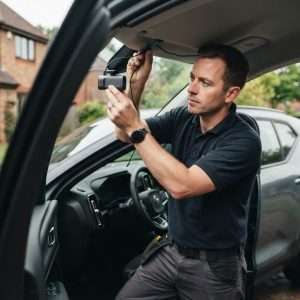
Professional car dash camera fitting gives you a securely mounted camera, concealed wiring and a tested power connection. With mobile fitting, the... Continue reading
Does a gps tracking dash cam let you find your car if it’s stolen? Not by itself. GPS can add location and journey context to... Continue reading
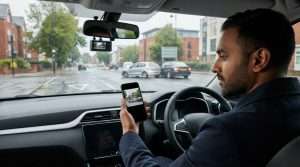
A dash camera can capture a collision clearly and still not tell the whole story. Understanding car dash camera causes of road traffic accidents... Continue reading

A GPS car tracker can locate your vehicle, but satellites alone can’t show its position on your phone. The key is the connection between GPS... Continue reading