
No products in the cart.
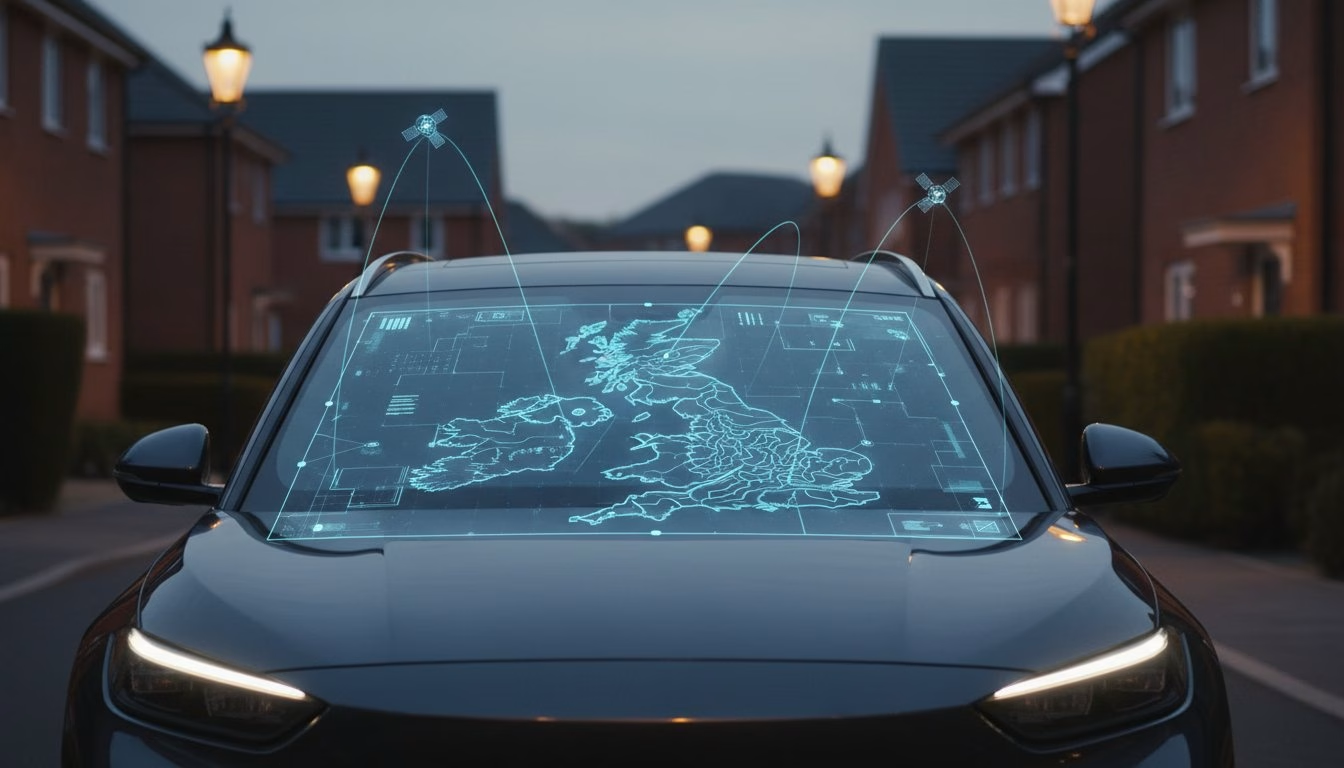
Legality of Vehicle Tracking
Understanding Your Rights and Obligations in the UK
Vehicle tracking technology has become increasingly common across the UK, offering practical solutions for fleet management, theft prevention, and general vehicle security. Whether you’re a business owner monitoring company vehicles or an individual protecting your personal car, understanding the legal boundaries of tracking systems is crucial to avoid potential violations of privacy laws and data protection regulations.
The legality of vehicle tracking in the UK isn’t straightforward, as it depends on factors such as who owns the vehicle, who is being tracked, and how the collected data is used. Whilst tracking your own vehicle is generally permitted, monitoring employees or other individuals introduces additional legal requirements under UK data protection laws. Getting it wrong can result in serious consequences, from employment disputes to financial penalties, making it vital to understand your legal obligations before installing any tracking device.
Key Takeaways
- Vehicle tracking legality in the UK depends on ownership, consent, and how you use the collected data.
- Businesses must comply with data protection laws and inform employees about tracking systems on company vehicles.
- Tracking someone else’s vehicle without proper authorisation or consent is illegal and can result in penalties.

How UK Law Governs Vehicle Tracking
When you use vehicle tracking in the UK, you must follow data protection rules. The UK General Data Protection Regulation (UK GDPR) and the Data Protection Act 2018 are the main laws that apply.
These laws require you to collect, store, and use personal information in a lawful, fair, and transparent way. Location data from a tracking device counts as personal data if it can identify a person.
You need to handle all tracking information responsibly. This applies whether you own a single vehicle or manage a fleet of company cars.
Key legal requirements include:
- Obtaining proper consent before tracking
- Informing people about how you use their data
- Keeping tracking data secure
- Only collecting information you actually need
- Allowing people to access their own data
You cannot track vehicles secretly without a legitimate legal reason. Breaking these rules can result in fines and legal action from the Information Commissioner’s Office.
Employer Tracking of Business Vehicles
You can track vehicles that your business owns, but you must follow specific rules. Your employees need to know that tracking is active on work vehicles.
Key requirements for legal employer tracking:
- Tell employees clearly that tracking devices are fitted
- Explain why you are tracking (such as safety, efficiency, or theft prevention)
- Get employee agreement when required
- Track only during working hours unless staff agree to other arrangements
- Stop tracking when employees use vehicles for personal reasons (unless they have agreed otherwise)
If you track employees without telling them, you could face legal problems under privacy laws.
Security and Theft Recovery Tracking
Installing a tracker for security reasons is perfectly legal. Many insurance companies recommend Thatcham-approved tracking systems.
These devices help police quickly find stolen vehicles. Some insurers offer lower premiums if you have an approved tracker fitted to your vehicle.
When Does Vehicle Tracking Break the Law?
Vehicle tracking is illegal in certain situations, you need to understand.
Tracking without permission is a serious offence. If you fit a GPS tracker to someone else’s vehicle without their knowledge, you could face legal consequences for invading their privacy.
Employers must inform their workers about tracking systems. You cannot secretly monitor employees through vehicle trackers unless specific legal conditions apply.
Key situations where tracking is illegal:
- Placing a tracker on a vehicle you do not own without consent
- Failing to tell employees about tracking systems in company vehicles
- Using location data for reasons not originally stated
- Monitoring someone’s private activities without permission
Data protection laws control how you can use tracking information. You must only use the data for the purposes you stated when you installed the tracker. Using it for any purpose other than its intended purpose is illegal.
Essential Best Practises for Vehicle Tracking Compliance
To maintain compliance with UK regulations when implementing vehicle tracking systems, you must follow several important practises.
Inform and gain consent from individuals whose vehicles are monitored. You need to clearly communicate that tracking is active and that explicit approval is required when needed.
Establish clear reasons for monitoring and communicate these openly. You should only use the collected information for the stated purposes.
Protect all monitoring data through appropriate security measures. You must prevent unauthorised access, data breaches, and improper use of the information.
Restrict monitoring to essential situations and avoid excessive surveillance. You should particularly limit tracking of company vehicles outside working hours to respect privacy rights.
Advantages of Lawful and Responsible Vehicle Tracking
When you use vehicle tracking systems properly, you gain valuable benefits. Tracking helps protect your vehicles from theft and makes recovery easier if they are stolen. You can improve your fleet operations and cut costs through better planning.
Your insurance provider may lower your premiums when you fit tracking devices. You also get reassurance knowing your vehicles are monitored securely and legally.
Key benefits include:
- Better protection against vehicle theft
- Lower running costs for your business
- Potential insurance savings
- Greater confidence in vehicle security
Closing Remarks
Vehicle tracking technology delivers real benefits for security and efficiency. The key is to make sure you comply with UK GDPR and other privacy regulations.
When you need guidance on selecting a tracker that meets legal standards, professional support makes the process easier. Thatcham-approved trackers meet recognised industry requirements. Customer service teams can help you choose the right option for your specific vehicle type, whether that’s a car, van, motorhome, or bike.
Getting your tracker fitted correctly matters too. Professional installation services operate across the UK and can arrange appointments at times that suit your schedule. Working with qualified engineers ensures your tracking system is set up properly from the start.
Taking these steps helps you gain the advantages of vehicle tracking whilst staying compliant with the law and protecting your investment.
Frequently Asked Questions
Can employers legally fit GPS trackers to work vehicles?
Yes, you can legally install GPS tracking devices on company-owned vehicles in the UK. The law permits businesses to monitor their own property during working hours.
You must inform employees about the tracking before you start monitoring them. This notification should explain why you are tracking the vehicles and how you will use the data.
The tracking must serve a legitimate business purpose. Valid reasons include improving route efficiency, ensuring vehicle security, or confirming employees are working their scheduled hours.
What must you tell staff about workplace vehicle monitoring?
You must providea clear written notification to all employees who will drive tracked vehicles. This information should appear in employment contracts, staff handbooks, or a separate vehicle tracking policy.
Your notification needs to cover several key points:
- Which vehicles have tracking devices fitted
- The business reasons for tracking
- Who can access the tracking information
- How long will you keep the data
You cannot install hidden trackers without telling employees. Covert monitoring is only legal in very limited circumstances, such as investigating suspected criminal activity.
Does vehicle tracking violate personal privacy rights?
Vehicle tracking can affect privacy rights, but it does not automatically violate them. The legality depends on how you implement and use the tracking system.
During working hours, employees have limited privacy expectations when using company vehicles. You can track location, speed, and journey details for business purposes.
Outside of work hours, the situation changes. You should not monitor employees’ movements during their personal time. Many businesses disable tracking when vehicles are off duty or set up geofencing to stop recording near employees’ homes.
You must balance your business needs against employees’ privacy rights. Tracking that goes beyond what is necessary for your stated business purpose may breach privacy laws.
What penalties apply for unauthorised vehicle tracking?
Tracking someone’s vehicle without proper consent or legal authority can result in serious consequences. You could face both criminal and civil penalties.
Criminal Penalties:
- Prosecution under the Computer Misuse Act 1990
- Harassment charges if the tracking causes distress
- Potential imprisonment in serious cases
- Unlimited fines for data protection breaches
Civil Consequences:
- Compensation claims from the tracked individual
- Employment tribunal claims from workers
- Enforcement action from the Information Commissioner’s Office
- Damage to business reputation
You should never track a vehicle that does not belong to you without the owner’s knowledge. This includes employees’ personal vehicles, even if they use them for work.
How do data protection regulations impact commercial vehicle tracking?
The UK GDPR and Data Protection Act 2018 heavily regulate how you collect and use tracking data. You must comply with several core principles.
You need a lawful basis for processing tracking data. For employee monitoring, this is usually a legitimate business interest or a contractual necessity.
Key Requirements:
| Requirement | What You Must Do |
|---|---|
| Transparency | Tell people what data you collect and why |
| Purpose Limitation | Only use data for the stated purpose |
| Data Minimisation | Collect only necessary information |
| Storage Limitation | Delete data when no longer needed |
| Security | Protect data from unauthorised access |
You must register as a data controller with the ICO if you process personal data. Vehicle tracking information counts as personal data when it relates to identifiable individuals.
Employees have the right to access their tracking data. You must respond to subject access requests within one month.
When can you lawfully use tracking for managing vehicle fleets?
You can use vehicle tracking for fleet management when you have legitimate business reasons and follow proper procedures. Several situations justify tracking systems.
Acceptable Uses:
- Monitoring vehicle location for efficient dispatching
- Tracking mileage for maintenance scheduling
- Verifying fuel consumption and reducing costs
- Improving driver safety and behaviour
- Recovering stolen vehicles
- Meeting client service level agreements
You must demonstrate that tracking is proportionate to your business needs. The benefits should outweigh any impact on employee privacy.
Before implementing tracking, you should complete a data protection impact assessment. This assessment helps you identify and address privacy risks.
You need appropriate policies in place. These should cover who can access tracking data, how long you keep it, and what happens if employees misuse vehicles.

Safe and Sound Essex
Safe and Sound Essex operates as a specialist vehicle security provider based in Rettendon. The company focuses on GPS tracking systems and immobilisation technology for cars and commercial vehicles.
Their installation team holds Fita’s approval, which means they meet recognised industry standards for fitting security equipment. You can access their services via a mobile installation or visit their workshop. A waiting area is available if you prefer to stay whilst work is completed on your vehicle.
Services and Products
The business supplies Thatcham-approved tracking devices. These products meet the insurance industry’s specific standards for vehicle security equipment. Many insurers require Thatcham approval before they will recognise a tracker for premium reductions or policy requirements.
Safe and Sound Essex also fits Ghost immobilisers. These devices prevent unauthorised engine starts unless the correct sequence or code is used. You can combine immobilisers with GPS trackers for layered security protection.
Legal Compliance
When you have a tracker fitted by Safe and Sound Essex, the installation must comply with UK data protection laws. This includes GDPR requirements and the Data (Use and Access) Act. Professional installers should inform you about your legal responsibilities as the vehicle owner or operator.
Your tracking system must be used lawfully. This means you can only track vehicles you own or have explicit permission to monitor. Company vehicles require clear policies that employees understand and agree to. Personal vehicles cannot be tracked without the owner’s knowledge and consent.
Location and Accessibility
The company operates in Essex and provides mobile fitting services across the surrounding area. You do not need to travel to their workshop if a mobile installation better suits your schedule. Their technicians can fit the equipment at your home or workplace.
The workshop option gives you access to additional security product advice. Staff can explain different tracker models and which ones meet your insurance requirements or personal needs.


About author
Related posts

A GPS location alone doesn’t mean a tracker meets a Thatcham security standard. For motorhome tracker installation in the UK, the key difference is... Continue reading

Thatcham tracker installation in the UK can add vehicle-location support if a car is stolen and help meet an insurer’s security requirements.... Continue reading

Insurance-approved tracker installation in the UK comes down to fitting the category your insurer requires: S5 or S7. Thatcham Research replaced the... Continue reading

A tracker’s installation method matters as much as its tracking features. Fleet vehicle tracker installation in the UK depends on the device: some... Continue reading

A GPS tracker can calculate its position without mobile signal, but it needs a way to transmit that location if you want to see it... Continue reading