
No products in the cart.

Insurance Approved Cat 2 Immobiliser: Comprehensive Vehicle Security Guide
What Is an Insurance Approved Cat 2 Immobiliser?
An insurance-approved Cat 2 immobiliser is an electronic security device that prevents your vehicle from starting without the correct key or fob and meets specific standards set by Thatcham Research. These systems help reduce theft risk and can lower your insurance premiums whilst satisfying insurer security requirements.
Definition and Core Functionality
A Cat 2 immobiliser is an immobiliser-only system that meets Thatcham Category 2 standards. Unlike basic factory-fitted systems, these aftermarket devices must resist attack for at least five minutes and operate independently of your vehicle’s original electronics.
When you activate the system, it interrupts critical circuits in your car. The immobiliser blocks the ignition or fuel system, preventing thieves from starting your engine. You need the authorised key or electronic fob to turn off the protection and drive away.
The device works silently in the background. It doesn’t include an audible alarm like Cat 1 systems, but it provides robust electronic protection against modern theft techniques, including relay attacks and key cloning.
Key Benefits for Drivers
Installing a Thatcham-approved Cat 2 immobiliser can reduce your insurance premiums by 5-20%. Many insurers now require these devices on certain vehicles, particularly higher-value models, before they’ll provide cover.
Your vehicle becomes significantly less attractive to thieves. Cars with properly installed immobilisers are statistically less likely to be stolen, giving you peace of mind when you park. Insurance-approved systems also increase your vehicle’s resale value, as buyers recognise the added security.
You’ll meet strict insurance policy conditions, ensuring your claims process runs smoothly if theft does occur. Without approved security on certain vehicles, some insurers won’t pay out or may void your policy entirely.
Difference Between Cat 2 and Other Immobiliser Categories
Category 1 systems include both an immobiliser and an alarm, making them the gold standard for vehicle security. Cat 2 focuses solely on immobilisation without the audible warning system.
Category 2-1 represents an upgrade patin, in which you add a Thatcham-approved alarm to an existing Cat 2 immobiliser, effectively converting it to Cat 1-equivalent protection. Category 5 systems offer advanced GPS tracking for stolen-vehicle recovery, but they don’t necessarily prevent the initial theft.
Your choice depends on your vehicle’s value and insurer requirements. High-performance cars often require Cat 1 protection, whereas many standard vehicles can meet insurance requirements with Cat 2 alone.
Understanding Thatcham Category 2 Approval
Thatcham Category 2 approval requires immobilisers to undergo rigorous testing proving they can prevent a vehicle from starting without proper authorisation. These standards directly affect your insurance premiums and determine whether your car meets insurer security requirements.
Thatcham Testing and Standards
Thatcham Research is the UK’s leading authority on vehicle security and safety testing. When you see a Thatcham-approved immobiliser, it means the device has undergone extensive real-world attack testing at their facilities.
The testing process examines how well immobilisers resist standard theft methods. Your device must withstand attempts to wire it, key cloning, relay attacks, and various electronic bypass techniques. Thatcham evaluates each system against professional thieves’ tactics.
Every approved device receives certification only after passing multiple test scenarios. The organisation updates its testing standards regularly to keep pace with evolving theft methods. This ensures your Thatcham-approved security system remains effective against current threats.
Thatcham Category 2 Criteria and Requirements
A Thatcham Category 2 electronic immobiliser must turn off at least two critical engine components to prevent starting. The system activates automatically when you turn off your vehicle. No manual arming is needed.
Your immobiliser must use electronic coding that prevents unauthorised access. It needs secure communication between the key or tag and the vehicle’s systems. The device must also meet strict anti-tampering standards to stop thieves from turning it off.
The key differences across Thatcham categories are:
- Thatcham Category 1: Full alarm and immobiliser system
- Thatcham Category 2: Immobiliser only (no alarm)
- Thatcham Category 2/1: Upgraded Category 2 with added alarm
- Thatcham Category S5 and S7: Vehicle tracking systems
Importance of Insurance Policies
Your insurance company uses Thatcham categories to assess your vehicle’s theft risk. Many insurers reduce premiums when you fit a Category 2 immobiliser to your car.
Some high-value or theft-prone vehicles require Thatcham-approved security before insurers will provide cover. Without proper protection, you might face higher premiums or policy refusal. This is particularly common with performance cars, which are popular theft targets.
Insurance-approved aftermarket immobilisers from manufacturers like Cobra, Gemini, Metasystem and Laserline meet these requirements. You should always check with your insurer before purchasing to confirm the specific category they require. Most insurers recognise Thatcham approval across all UK policies.
How Cat 2 Immobilisers Work
Cat 2 immobilisers prevent your engine from starting by interrupting critical circuits until they recognise an authorised electronic signal. These systems work independently of your factory security and use encrypted technology to verify your identity as the driver.
Electronic Immobilisation Technology
A Thatcham Category 2 electronic immobiliser cuts power to your starter motor, ignition system or fuel pump until it receives the correct code. The device creates a dual-circuit interruption that must withstand an attack for at least 5e minutes to meet certification standards.
When you approach your vehicle with the authorised key fob or tag, the immobiliser receives an encrypted signal. It then reconnects the interrupted circuits and allows the engine to start. Without this signal, thieves cannot wire your car or bypass the system using traditional methods.
The system operates through hidden wiring and components that are extremely difficult to locate or disable. Professional installation ensures the immobiliser integrates seamlessly with your vehicle’s existing electronics without interfering with regular operation or draining the battery.
Passive Arming and Automatic Driver Recognition
An ADR immobiliser arms itself automatically when your encrypted ID tag moves beyond 5–10 metres from your vehicle. You don’t need to press buttons or remember to activate it.
The system constantly monitors for your unique tag. When you walk away, it locks down your engine within seconds. When you return, it recognises your tag and disarms silently in the background.
This passive operation means you cannot forget to activate your protection. The automatic driver recognition technology works continuously without requiring any action from you.
Security Against Relay Attacks and Key Cloning
Modern thieves use relay amplifiers to capture your key fob signal from inside your home and transmit it to your car. A Cat 2 immobiliser stops this relay attack because it requires its own independent encrypted signal.
Even if criminals clone your factory key or access your OBD port to programme a new one, the immobiliser will not recognise it. The system operates separately from your manufacturer’s security, creating an additional layer that key cloning cannot defeat.
Your vehicle security remains intact even when thieves successfully unlock the doors and enter the cabin. Without the correct encrypted ID tag, the immobiliser keeps the engine disabled regardless of which factory key is present.
Popular Insurance Approved Cat 2 Immobiliser Brands and Models
Several manufacturers produce reliable Cat 2 immobilisers that meet insurance requirements and offer proven protection. These brands include Pandora, Sterling, Meta, and Cobra, each offering specific models with distinct features for different vehicle types and security needs.
Pandora Storm and Storm Plus
The Pandora Storm immobiliser is a Thatcham-approved CAT-2 system designed to prevent unauthorised engine starts through advanced electronic immobilisation. This system uses encrypted transponder technology to ensure only your authorised key or tag can start your vehicle. The Storm integrates seamlessly with modern vehicle electronics and provides reliable starter and fuel pump interruption.
The Storm Plus builds on the standard Storm with additional features. It includes enhanced anti-scan protection that blocks signal relay attacks commonly used by sophisticated thieves. Both models are compact and designed for discreet installation within your vehicle’s existing wiring.
Most UK insurers recognise Pandora systems. They often qualify you for reduced premiums due to their proven effectiveness against theft.
Sterling Excel and Sterling Category 2
Sterling Excel represents a straightforward approach to vehicle immobilisation without unnecessary complexity. This Cat 2 immobiliser focuses on core protection by cutting power to your starter motor and fuel pump until the correct coded transponder is detected. The Excel is compatible with a wide range of vehicles and offers excellent value.
Sterling Category 2 immobilisers prioritise reliable performance over additional features. The compact design allows technicians to install the unit in your dashboard or engine bay discreetly. Sterling systems use robust immobilisation circuits that resist tampering and bypass attempts.
These immobilisers are popular among drivers who want proven theft deterrence at a competitive price point. Professional installation ensures the system integrates properly with your vehicle’s existing security features.

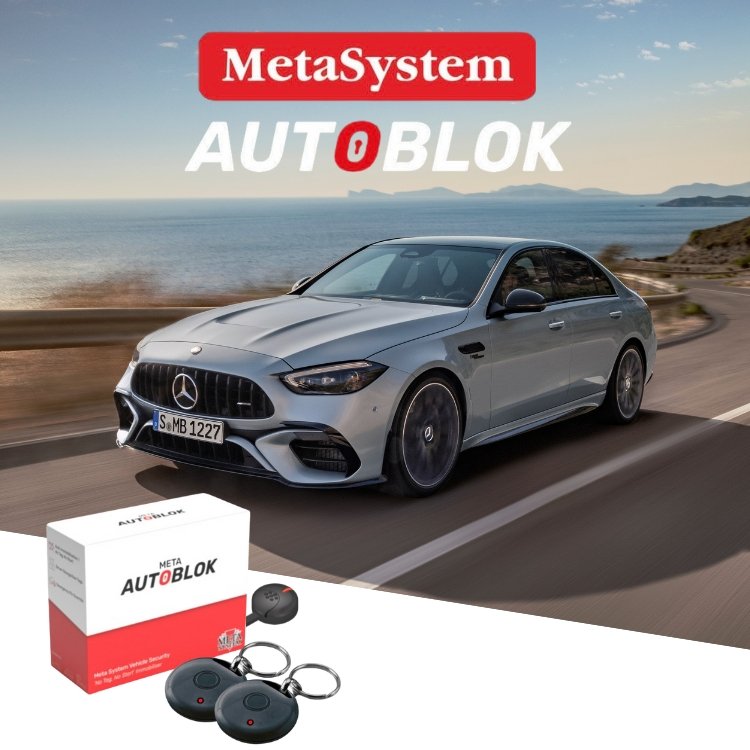
Meta AUTOBLOK and M43
Meta AUTOBLOK provides solid immobilisation through tried-and-tested technology. This system prevents your engine from starting by interrupting essential circuits until it receives the correct authorised signal. The AUTOBLOK is designed for straightforward operation without complicated programming or multiple user modes.
The Meta M43 offers similar core protection with subtle differences in transponder technology and installation requirements. Both systems are engineered to withstand standard bypass techniques used by thieves. They work quietly in the background, requiring no special action from you beyond carrying your authorised tag.
Most insurers accept meta systems as approved security measures. They provide dependable protection for standard and higher-risk vehicles alike.
Cobra A8510 and Vodafone Cobra Cat 2
The Cobra A8510 immobiliser comes from a long-established UK security brand with decades of experience. This Cat 2 system uses microprocessor-controlled immobilisation to prevent unauthorised starts. The A8510 includes LED status indicators that provide visual confirmation of your system’s armed status.
Vodafone Cobra Cat 2 systems offer the same proven immobilisation technology, backed by Vodafone’s established service network. These systems feature reliable transponder recognition and multi-circuit immobilisation for added security. Both models work with a wide variety of vehicle makes and models when professionally installed.
Cobra’s reputation and compatibility make these immobilisers popular choices for drivers seeking branded protection. Installation by qualified technicians ensures optimal performance and insurance compliance.
Comparing Cat 2 Immobilisers to Other Security Devices
Cat 2 immobilisers use electronic circuits to prevent engine starting, whilst mechanical alternatives rely on physical barriers and newer systems like Ghost immobilisers operate through CAN-bus integration. Tracker systems combine location monitoring with immobilisation features for comprehensive vehicle protection.
Mechanical Immobilisers Versus Electronic Systems
Mechanical immobilisers include steering wheel locks, gear stick locks, and wheel locking devices that create visible physical barriers. These devices work independently of your vehicle’s electrical systems, making them immune to electronic hacking or signal interception.
Cat 2 immobilisers provide different levels of protection by interrupting electrical circuits to the starter motor, fuel pump, and ignition system. You activate them automatically when you remove the correct transponder key, requiring no manual setup like wheel locks.
Key differences include:
- Visibility: Mechanical devices deter thieves visibly; electronic systems remain hidden
- Convenience: Cat 2 systems activate automatically; wheel locks need manual fitting
- Bypass difficulty: Physical locks can be cut or broken; electronic systems require technical knowledge
- Insurance recognition: Both receive recognition, but Thatcham-approved Cat 2 devices often qualify for better discounts
Mechanical devices excel at deterring opportunistic theft, in which thieves seek easy targets. Cat 2 systems protect against sophisticated hot-wiring methods. Many vehicle owners use both types together for layered security.
Cat 2 Versus Ghost Immobiliser and CAN-Bus Systems
Ghost immobilisers like the Autowatch Ghost operate through your vehicle’s CAN bus network rather than cutting physical circuits. You create a unique button sequence on existing controls (steering wheel buttons, pedals, or dashboard switches) that must be entered before the engine starts.
Cat 2 systems differ by using transponder technology with encrypted key fobs to authorise starting. They interrupt specific electrical circuits when the correct key isn’t present. Ghost systems don’t rely on key fobs at all, making them immune to key cloning and relay attacks.
System comparison:
| Feature | Cat 2 | Ghost Immobiliser |
|---|---|---|
| Technology | Circuit interruption | CAN-bus integration |
| Activation | Automatic via key | Manual button sequence |
| Key vulnerability | Relay attacks | None (no key used) |
| Insurance approval | Thatcham Category 2 | Not Thatcham approved |
Your insurance company may specifically request Cat 2 installation for coverage on high-risk vehicles. Ghost immobilisers provide stronger protection against modern keyless theft, but don’t always meet insurer requirements without Thatcham certification.
S5 and S7 Trackers Integration
Thatcham Category S5 devices bundle GPS tracking capabilities with immobilisation features in a single system. S5 tracker systems combine an alarm and immobiliser, offering comprehensive protection that meets stricter insurance standards than Cat 2 alone.
Thatcham Category S7 systems provide GPS tracking without immobilisation or alarm functions. You can pair your Cat 2 immobiliser with an S7 tracker to create layered security covering both prevention and recovery.
Integration benefits:
- Real-time location: GPS tracker monitors your vehicle continuously
- Remote immobilisation: S5 systems let you turn off the engine via smartphone if theft occurs
- Movement alerts: Notifications when your vehicle moves without authorisation
- Recovery support: Professional monitoring centres assist with theft recovery
S5 systems cost more than standalone Cat 2 immobilisers but provide additional features that appeal to insurers. Your premiums may decrease further with S5 certification compared to basic Cat 2 protection. Many owners choose S5 trackers for high-value vehicles where maximum security justifies the investment.
Installation of Insurance Approved Cat 2 Immobilisers
Professional installers bring the service directly to your location and work with nearly all vehicle makes. The installation process requires specific technical knowledge to meet insurance requirements properly.
Professional and Mobile Installation Services
Mobile installation services bring qualified technicians to your home or workplace within days of booking. You don’t need to visit a garage or wait weeks for an appointment.
The installation typically takes betweene and 3hoursus, depending on your vehicle. Engineers arrive with all necessary equipment and complete the work on-site. Many providers offer UK-wide installation coverage with free fitting included in the price.
Installers complete the work without leaving visible wiring or modifications. They test the system thoroughly before finishing. You receive a demonstration of how to use your touch key or transponder tag after installation.
Most services include a warranty on both the immobiliser and the installation work. Booking usually happens online or by phone, with appointments available within 1 to 3 working days.
Vehicle Compatibility and Supported Makes
Cat 2 immobilisers work with almost all vehicle types, including cars, vans, and motorhomes. Popular makes include Ford, Audi, BMW, Mini, Lexus, Land Rover, Toyota, Seat, and Tesla.
The systems are compatible with both petrol and diesel engines. Modern electric vehicles from brands like Tesla, Smart, Nio, and Ora can also receive Cat 2 immobilisers. High-value models from Ram trucks and luxury marques benefit from the added protection.
Your installer assesses your specific vehicle during booking. They confirm compatibility before arranging the appointment. Most systems isolate two to three circuits in your vehicle’s electrical system to prevent unauthorised starting.
Ensuring Compliance for Insurance
Your Thatcham Category 2 approval ensures recognition by every UK insurance company. You receive official documentation after installation that proves the system meets the required standards.
Insurers often reduce premiums when you fit an approved immobiliser. This discount can offset your installation costs over time. Some insurance providers make Cat 2 immobilisers mandatory for high-value or theft-prone vehicles.
Keep your installation certificate with your vehicle documents. You’ll need to provide proof to your insurer when renewing your policy. The certificate includes details about the specific model fitted and the installation date.
Additional Tips for Maximising Vehicle Security
Layering multiple security devices creates stronger protection than relying on a single system. Understanding your specific insurance needs and vehicle value helps you select the most cost-effective security combination.
Combining Immobilisers with Trackers and Alarms
A Cat 2 immobiliser paired with a GPS tracker provides both prevention and recovery capabilities. The immobiliser stops thieves from starting your engine, whilst the tracker enables police to locate your vehicle if criminals bypass the immobiliser system.
This tracker and immobiliser combo addresses different theft scenarios. Motion sensors detect unauthorised entry, the immobiliser prevents the vehicle from starting, and GPS tracking provides real-time location data.
Effective security layers include:
- Immobiliser for engine protection
- GPS tracker for vehicle recovery
- Perimeter alarm for immediate alerts
- Physical deterrents like steering wheel locks
Many insurers offer additional discounts when you install multiple security devices beyond basic immobilisation. Some tracking systems integrate smartphone alerts that notify you immediately when your vehicle moves without authorisation.
Choosing the Right Security System for Your Vehicle
Your vehicle’s value and theft risk determine which car security system provides the best protection. High-value vehicles typically require Cat 1 systems that bundle an alarm plus an immobiliser, whilst Cat 2 immobilisers suit standard cars.
Consider your parking location when selecting vehicle security. Cars parked on streets face higher risks than those in locked garages. Keyless-entry vehicles require additional protection against relay attacks.
Thatcham-approved systems receive better insurance recognition than non-approved devices. Professional installation ensures proper integration with your vehicle’s electronics and maintains warranty coverage.
Budget between £350-600 for quality immobiliser installation. Factor in ongoing insurance savings when calculating total costs.
Evaluating Insurance Requirements
Some insurers mandate specific security devices before offering coverage on certain vehicle models. Contact your insurance provider before purchasing security equipment to confirm which systems qualify for discounts.
Premium reductions typically range from 5% to 15% for immobiliser-equipped vehicles. Higher-spec security systems often qualify for larger discounts.
Document your security system installation with receipts and certification. You’ll need this information when filing claims or switching insurance providers.
Maintain your immobiliser system properly to ensure continued coverage. Failed or disconnected security devices can void theft-related claims.
Safe and Sound Essex
Safe and Sound Essex operates as a mobile vehicle security specialist based in Chelmsford. The company brings professional installation services directly to your location across Essex and throughout the UK.
What They Offer
Safe and Sound Essex specialises in fitting insurance-approved Category 2 immobilisers for cars, vans, and motorhomes. Their technicians are certified installers who travel to your home or workplace to complete the work.
The company primarily installs the Viper 106V immobiliser system. This Thatcham Category 2-approved device fits quietly into your vehicle and prevents the engine from starting without the correct coded key or tag.
Pricing and Service
You can get a Cat 2 immobiliser supplied and professionally fitted for £299 with no hidden fees. The price includes both the unit and installation wherever you are in the UK.
Safe and Sound Essex operates from their Chelmsford workshop at Hobbits Hole on South Hangingfield Road. They also provide mobile fitting services if you prefer installation at your location.
Contact Options
You can reach them by phone at 01245 921133 or 07710 103333. Their website, safeandsoundmobile.co.uk, provides additional information about their services and booking options.
The company focuses on making vehicle security accessible through convenient installation. Their technicians understand your needs and complete every installation to professional standards.


About author
Related posts

A GPS tracker can help locate a stolen car, but it won’t necessarily stop the theft. That distinction matters when you’re considering GPS AUTO TRACK... Continue reading

What good is a vehicle’s location on a map if you don’t know what to do with that information? GPS auto tracking can show where... Continue reading

A high win rate doesn’t always mean a hero or build is the right choice for you. A DEADLOCK TRACKER can help you look beyond... Continue reading
Need a car tracker fitted near you, but don’t want to drive across town or leave your vehicle at a fitting centre? Searching for tracking... Continue reading

The most advanced tracker isn’t automatically the right choice for your car. The best fit depends on your insurer’s requirements, the protection you... Continue reading