
No products in the cart.

What Will Help You Keep Your Car Secure? Essential Protection Tips
Car thieves are becoming more sophisticated, but drivers can protect themselves with the right combination of basic habits and security measures. Simple actions, such as always locking your vehicle, parking in well-lit areas, and keeping valuables out of sight, form the foundation of adequate car security. Over 368,000 incidents of vehicle crime were reported in England and Wales in 2022, making vehicle security more critical than ever. To ensure that you remain Car Secure, consider implementing these strategies.

Modern car security requires a layered approach that combines old-school physical deterrents with cutting-edge technology. Traditional steering wheel locks and window etching work in conjunction with dash cameras and electronic tracking systems to create multiple barriers against theft. This multi-layered strategy makes vehicles less attractive targets whilst increasing the chances of recovery if theft does occur.
How to Stay Car Secure in Modern Times
By adopting these habits, you can significantly enhance your efforts to be Car Secure.
Ensuring Your Vehicle is Secure
Special attention must be paid to keyless entry vehicles, which face unique vulnerabilities from relay theft attacks. Understanding these modern threats and implementing specific countermeasures helps drivers stay ahead of increasingly organised criminal gangs who target these high-value vehicles.
Fundamental Practices for Car Security

Basic security habits form the foundation of vehicle protection. Simple actions, such as proper locking, strategic parking choices, and staying informed about local theft patterns, can significantly reduce the risk of becoming a victim.
Locking Your Vehicle and Removing Valuables
Always ensuring your car is locked correctly remains the most basic yet crucial security step. Remote locking systems can sometimes fail to engage, so drivers should always check the door handles after pressing the fob.
Leaving vehicles unlocked, even briefly, creates opportunities for opportunistic thieves. This includes short trips to return shopping trolleys or unload items from the boot.
Winter presents unique risks through ‘frost-jacking’. Thieves target vehicles left running whilst defrosting. Drivers should remain within sight of their care during the defrosting process.
All valuables must be completely hidden from view. Items in the boot should be covered with rugs or blankets if the space is visible through the rear windows.
Everyday items that attract thieves include:
- Mobile phones and chargers
- Sat nav devices and mounts
- Shopping bags
- Loose change
- Sunglasses
- Work tools
Even empty shopping bags can suggest that valuables might be hidden elsewhere in the vehicle.
Parking in Well-Lit or Monitored Areas
Strategic parking choices significantly impact vehicle security. Well-lit areas with good visibility deter criminals who prefer to operate in the dark.
Garages provide the highest level of protection when available. For street parking, areas with CCTV coverage give an added layer of security through surveillance monitoring.
Preferred parking locations include:
- Car parks with Park Mark certification
- Areas near building entrances
- Locations with sensor lights
- Busy pedestrian zones
- Well-maintained public spaces
Turning wheels into the kerb when parking creates an additional obstacle. This forces potential thieves to make extra manoeuvres, increasing their risk of detection.
Avoid parking in secluded areas, poorly maintained car parks, or locations known for antisocial behaviour.
Awareness of Local Car Theft Trends
Understanding local car theft patterns helps drivers make informed decisions about their security. Crime statistics vary significantly between different areas and vehicle types.
Police crime mapping websites provide detailed information about recent thefts in specific postcodes. This data reveals peak times, common locations, and trending theft methods.
Current theft trends include:
- Keyless vehicle targeting
- Catalytic converter theft
- Specific model preferences
- Seasonal variations
Joining local community groups and social media pages provides real-time alerts about suspicious activity. Neighbours often share information about attempted break-ins or unusual behaviour.
Insurance companies frequently publish reports highlighting the most stolen vehicles and emerging theft techniques. This information helps owners of high-risk vehicles take appropriate precautions.
Regular monitoring of local news sources reveals whether car theft rates are increasing in particular areas, allowing drivers to adjust their security measures accordingly.
Physical Anti-Theft Devices That Deter Criminals

Physical security devices create visible barriers that make thieves think twice about targeting a vehicle. These old-school deterrents are proving effective against modern criminals who prefer quick, easy targets.
Steering Wheel Locks and Handbrake Locks
Steering wheel locks remain effective deterrents because they create an obvious visual barrier. These bright, bulky devices attach to the steering wheel and make it impossible to turn.
Most steering wheel locks use hardened steel construction. They feature pick-resistant locks and anti-saw technology to prevent quick removal.
Popular types include:
- Bar locks – stretch across the wheel diameter
- Hook locks – attach to the wheel and pedal
- Claw locks – grip the steering wheel rim
Handbrake locks work similarly by preventing the handbrake from being released. They clamp onto the handbrake lever and require a key to remove.
These devices take seconds to fit but require several minutes for thieves to bypass. Most criminals will simply move to an easier target rather than spend time removing visible locks.
Wheel Clamps and Locking Wheel Nuts
Wheel clamps completely immobilise vehicles by preventing wheel movement. Professional-grade clamps are made from hardened steel and cannot be easily cut or removed without the proper keys.
Wheel clamp benefits:
- Obvious deterrent
- Prevents vehicle movement
- Weather-resistant construction
- Quick installation process
Locking wheel nuts protect expensive alloy wheels from theft. Each wheel requires a special key-coded socket for removal. Standard wheel removal tools cannot remove these nuts.
Most locking wheel nut sets include one locking nut per wheel. The unique key pattern makes replacement extremely difficult without the original key.
Wheel clamps work best for long-term parking situations. Locking wheel nuts provide permanent protection for valuable alloy wheels that thieves frequently target.
Electronic Security Systems and Modern Technology
Electronic security systems combine innovative technology with traditional protection methods to create multiple layers of defence against vehicle theft. These systems can alert owners instantly and track stolen vehicles in real-time.
Car Alarms and Immobilisers
Modern car alarms go far beyond basic noise-making devices. Today’s next-generation car alarm systems include smartphone connectivity, motion sensors, and real-time alerts sent directly to the owner’s phone.
Standard alarm features include:
- Shock sensors that detect break-in attempts
- Motion detectors for interior movement
- Remote monitoring via mobile apps
- Two-way communication systems
Most new vehicles come with factory-fitted immobilisers as standard equipment. These systems prevent the engine from starting without the correct transponder key.
Immobilisers work by turning off essential components, such as the ignition or fuel system. Even if thieves bypass the locks, they cannot drive the vehicle away without the proper key signal.
Immobiliser benefits:
- Automatic protection – no user action required
- Integration with existing vehicle systems
- Difficulty in bypassing, even with sophisticated tools
Aftermarket systems provide enhanced features for older vehicles that lack modern security. Professional installation ensures proper integration with the vehicle’s electrical systems.
GPS Trackers and Vehicle Tracking Solutions
GPS tracking devices provide real-time location monitoring and recovery assistance if theft occurs. These compact units hide discretely within the vehicle and communicate location data via cellular networks.
Key tracking features include:
- Live location updates every few seconds
- Geofencing alerts when vehicles leave designated areas
- Movement notifications when cars start unexpectedly
- Historical route tracking and reporting
GPS tracking systems significantly increase recovery rates by providing law enforcement with precise location data. Many insurers offer premium discounts for vehicles equipped with approved tracking devices.
Popular tracking options:
| Type | Battery Life | Coverage | Monthly Cost |
|---|---|---|---|
| Hardwired | Permanent | Nationwide | £10-20 |
| Battery-powered | 2-4 weeks | Nationwide | £15-25 |
| OBD-II plug-in | Permanent | Nationwide | £12-18 |
Advanced systems include smartphone apps for remote monitoring and vehicle immobilisation. Some trackers offer additional features, such as driver behaviour monitoring and maintenance alerts.
Monthly subscription fees typically range from £10-30 depending on service levels and features included.
Advanced Strategies Against Keyless Theft
Signal-blocking technology and proper key storage techniques form the backbone of modern anti-theft protection. These methods directly counter the electronic equipment criminals use to amplify and steal key signals.
Faraday Pouches and Signal Blocking Accessories
Signal-blocking Faraday pouches contain specialised materials that prevent car keys from transmitting their electronic codes. These pouches create an electromagnetic shield around the key fob.
Testing Your Faraday Pouch:
- Place the key inside the pouch
- Walk to your vehicle
- Try to unlock the doors
- If the car doesn’t respond, the pouch works properly
Not all pouches provide equal protection. Some Faraday pouches have two pockets, with only one blocking signals effectively. Always test your specific pouch before relying on it.
Signal-blocking boxes offer an alternative for home use. These metal containers work on the same principle but provide more space for multiple keys.
Protecting Keys at Home and On the Go
Keep car keys far away from doors and windows to minimise signal amplification opportunities—thieves position equipment near homes to boost weak key signals from inside.
Effective Key Storage Locations:
- Upstairs rooms away from the car
- Interior cupboards or drawers
- Metal containers or tins
- Faraday pouches in secure locations
Avoid leaving keys on hall tables, kitchen worktops near windows, or anywhere visible from outside. The further the key sits from external walls, the harder amplification becomes.
When travelling, store keys in Faraday pouches inside hotel rooms or secure bags. This prevents relay attacks in car parks and unfamiliar locations where criminals might target rental vehicles or expensive cars.
Frequently Asked Questions
Car owners often have specific questions about protecting their vehicles from theft and break-ins. These concerns typically focus on parking strategies, security equipment, key protection, and recovery methods.
What are the best practices for parking to deter vehicle theft?
Vehicle owners should park in well-lit and open areas whenever possible. Garages provide the best protection when available at home.
Car parks with Park Mark certification offer enhanced security. These facilities have undergone police risk assessments to ensure safety standards.
Drivers should turn their wheels towards the kerb when parking on streets. This simple technique forces thieves to make additional manoeuvres to steal the vehicle.
Avoid parking in isolated or poorly lit locations. These areas provide cover for criminals to work undetected.
How can I enhance the security of my car with alarm systems?
Factory-fitted alarms provide basic protection for most modern vehicles. Aftermarket systems can offer additional features, such as smartphone notifications and GPS tracking.
Motion sensors detect movement around the parked vehicle. Glass break sensors trigger when windows are smashed or damaged.
Remote monitoring systems alert owners immediately when tampering occurs. Some advanced systems can turn off the engine remotely if theft is detected.
Professional installation ensures optimal sensor placement and system reliability. Visible alarm decals and LED indicators act as visual deterrents.
What steps should I take to safeguard my vehicle’s keys against theft?
Keyless entry systems are vulnerable to relay theft attacks. Criminals use devices to capture and amplify key fob signals from inside homes.
Faraday pouches block radio signals from key fobs. These special bags prevent thieves from detecting and copying the key’s digital signature.
Key fobs should be stored away from doors and windows. Distance reduces the signal strength that criminals can intercept.
Some key fobs allow owners to turn off the signal when not in use. Check the vehicle manual for instructions on turning off this feature.
Are steering wheel locks effective in preventing car crime?
Steering wheel locks are making a comeback as effective deterrents against high-tech car theft. These mechanical devices cannot be bypassed using electronic hacking tools.
The Disklok covers the entire steering wheel and provides maximum protection. Double-bar locks are more affordable but offer less coverage.
Visible security devices discourage opportunist thieves. Criminals typically choose easier targets when they see physical barriers.
Professional thieves can defeat these locks with time and tools. However, most prefer to avoid the extra effort and noise involved.
How can I improve the security features of my vehicle’s windows and doors?
Window etching with registration numbers makes vehicles less attractive to thieves. Etched glass is difficult to replace and helps police identify stolen cars.
Tinted windows hide valuable items from view, but must comply with legal limits. Excessive tinting can result in fines and MOT failures.
Door locks should be checked regularly for proper operation. Worn mechanisms make it easier for thieves to force entry.
Window deflectors and ventilation guards allow small gaps for air circulation. These accessories maintain security whilst preventing interior heat build-up.
What tracking devices are recommended for recovering a stolen car?
GPS trackers provide real-time location data when vehicles are stolen. Police can use this information to recover cars quickly and arrest criminals.
Hidden installation locations prevent thieves from finding and removing devices. Professional fitting ensures optimal signal reception and battery life.
Smartphone apps allow owners to monitor their vehicle’s location continuously. Geofence alerts notify users when cars leave designated areas.
Insurance companies often offer discounts for vehicles with approved tracking systems. Thatcham Category S7 devices meet industry standards for security and reliability.


About author
Related posts

A high win rate doesn’t always mean a hero or build is the right choice for you. A DEADLOCK TRACKER can help you look beyond... Continue reading
Need a car tracker fitted near you, but don’t want to drive across town or leave your vehicle at a fitting centre? Searching for tracking... Continue reading

The most advanced tracker isn’t automatically the right choice for your car. The best fit depends on your insurer’s requirements, the protection you... Continue reading
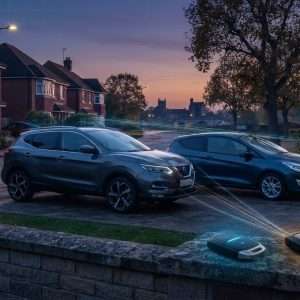
UK most stolen vehicles figures contain a surprising twist: the most-stolen model variant in the first half of 2026 was the Nissan Juke Tekna CVT,... Continue reading

Could a tracker with plenty of features still be the wrong choice for your car? The right tracking device for vehicles depends on the protection... Continue reading