
No products in the cart.

What Makes a Ghost Immobiliser Effective Against Car Theft?
Key Technologies and Benefits Explained
Car thieves in 2026 no longer use crowbars and broken windows. They use relay boxes, key-cloning devices, and CAN bus hacking tools that render traditional alarms and factory immobilisers almost useless. If you drive a modern vehicle with keyless entry, your car is vulnerable to digital theft methods that can bypass standard security in under 60 seconds.
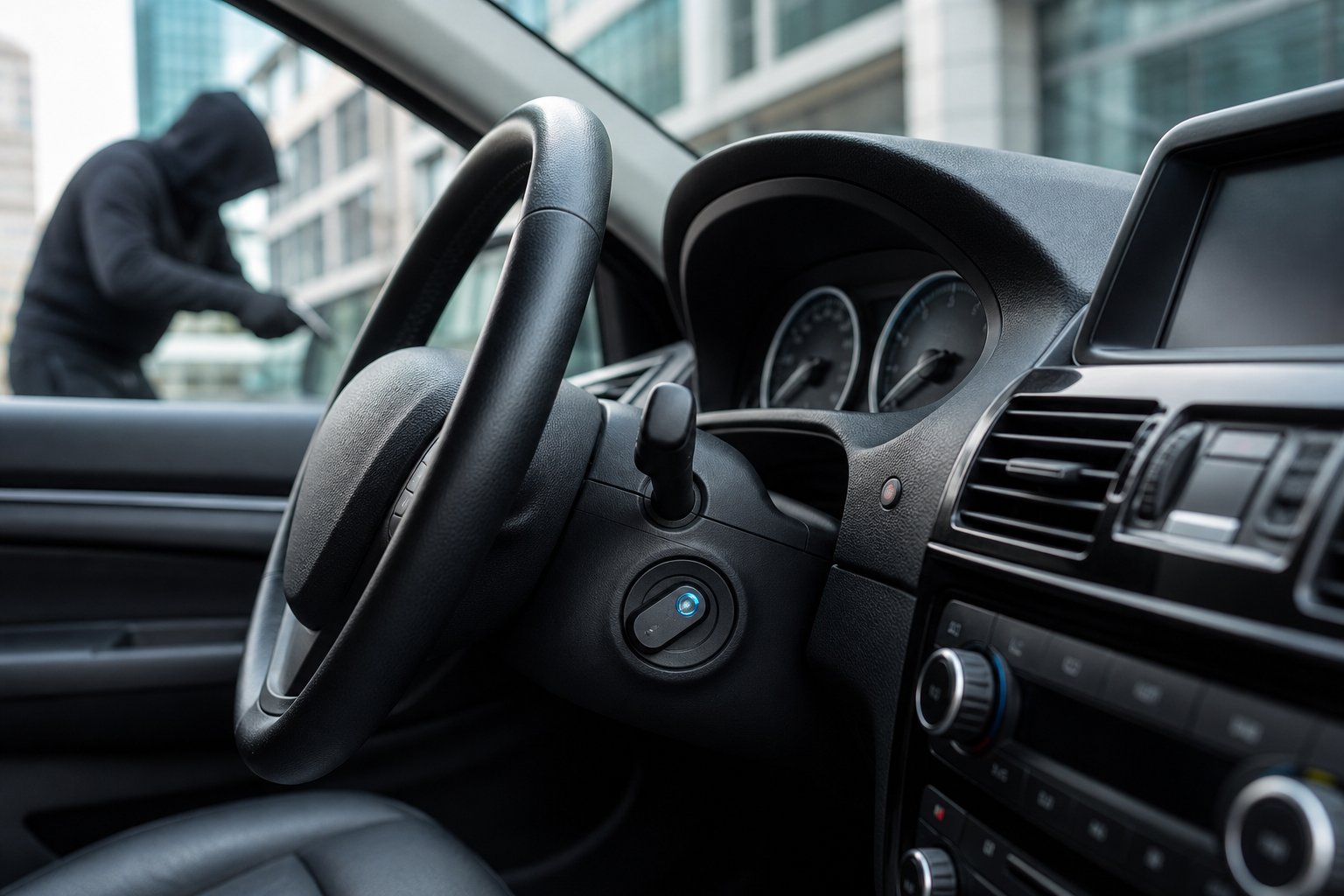
The Ghost immobiliser is effective against car theft because it integrates directly into your vehicle’s CAN bus network and requires a unique PIN sequence to be entered via existing buttons before the engine will start, making it impossible for thieves to bypass it with relay attacks, key cloning, or diagnostic port hacking. Unlike standard immobilisers that rely on radio-frequency signals that can be intercepted, the Autowatch Ghost operates silently, without broadcasting any detectable signal. This makes it invisible to the scanning tools that modern criminals use to locate and defeat vehicle security systems.
This article explains the core technologies that make the Ghost immobiliser the gold-standard defence against modern car theft, how it works in daily use, and what you need to know about professional installation and broader vehicle security strategies. You’ll understand why factory-fitted systems are no longer enough and how a single upgrade can provide the ultimate peace of mind for your vehicle.
Core Security Technologies of Ghost Immobilisers
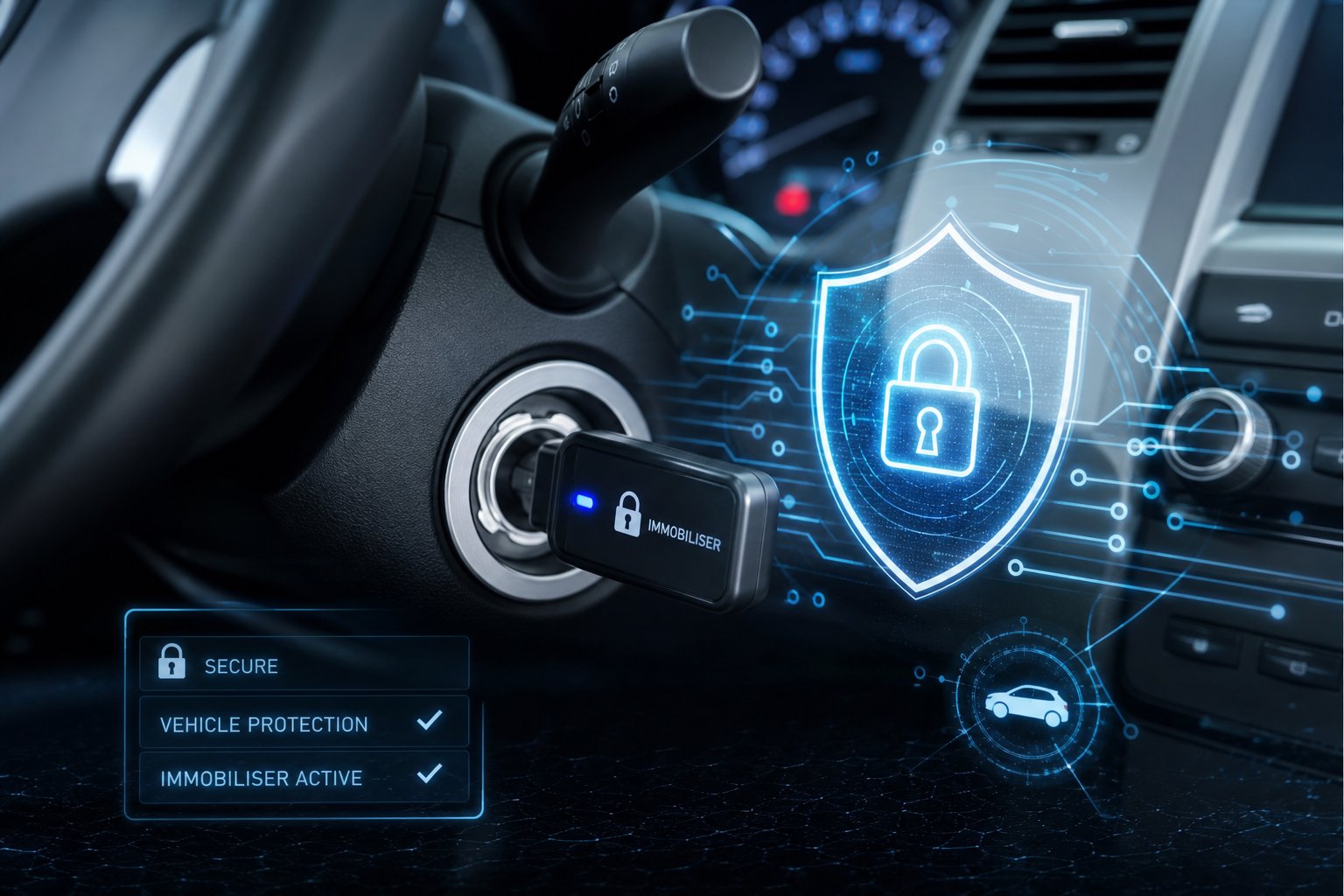
The Ghost immobiliser uses multiple security technologies that work together to prevent vehicle theft. These systems protect against modern theft methods through CAN bus integration, advanced encryption, and invisible operation that thieves cannot detect or bypass.
CAN Bus Integration and the Controller Area Network
The Ghost immobiliser connects directly to your vehicle’s CAN bus, the Controller Area Network that allows different parts of your car to communicate with each other. This integration means the device sits between your vehicle’s existing electronics without requiring any wire cuts or adding visible components.
Your CAN bus carries signals between systems like the engine, doors, and dashboard. The Ghost immobiliser reads these signals to detect when someone attempts to start the vehicle. It then prevents the engine from running unless the correct PIN sequence is entered through your existing buttons.
This approach makes CAN bus attacks ineffective because the Ghost doesn’t transmit radio frequencies that thieves can intercept. Traditional immobilisers send wireless signals that criminals can capture and copy. The Autowatch Ghost immobiliser 2 eliminates this vulnerability by operating through the vehicle’s internal network with no external signals to detect.
Protection Against Relay Attacks and Key Cloning
Relay attacks target keyless entry vehicles by extending the signal between your key fob and car. Thieves use devices to capture your key’s signal from inside your home and transmit it to your vehicle parked outside. The Ghost immobiliser completely prevents this theft method.
Even if criminals successfully relay your key signal or clone your key fob, they still cannot drive your vehicle. The engine remains immobilised until you enter your unique PIN sequence. This protection against key cloning means that having a working key is no longer enough to steal your car.
The Ghost 2 immobiliser specifically targets relay theft by requiring physical interaction with your vehicle’s controls in a pattern only you know. Keyless entry theft becomes impossible because the thief would need both your key and your secret PIN code to start the engine.
PIN Sequence System and Invisible Operation
You set a unique PIN sequence using buttons already in your vehicle, such as steering wheel controls or dashboard buttons. This sequence consists of 4 to 20 button presses that you must enter before starting the engine. The system remains completely invisible during installation and operation.
There are no LED lights, key fobs, or additional buttons that reveal the Ghost immobiliser installation. Thieves cannot see any signs that your vehicle has this anti-theft device fitted. The buttons you use look and function exactly as they did before, without indicating their secondary security purpose.
Your PIN sequence can include any combination of button presses you choose. You might use your indicator stalk, cruise control buttons, or media controls. This flexibility means each Ghost immobiliser has a different activation method that criminals cannot predict or locate.
Valet and Service Modes for Safe Vehicle Access
Valet mode temporarily turns off the PIN requirement when others need to drive your vehicle. You activate this mode through a specific button sequence, allowing mechanics or valet drivers to start your car without knowing your security PIN. The mode remains active until you turn it off.
Service mode provides similar temporary access but typically remains active for a set period. This feature proves essential when your vehicle needs maintenance or repairs at a garage. You won’t need to share your secret PIN sequence with service staff or worry about the immobiliser interfering with diagnostic equipment.
Both modes maintain your vehicle’s security whilst providing practical access when needed. You control when these modes activate and deactivate, ensuring your high-value vehicles remain protected except when you deliberately allow access.
Practical Benefits, Installation, and Broader Vehicle Security
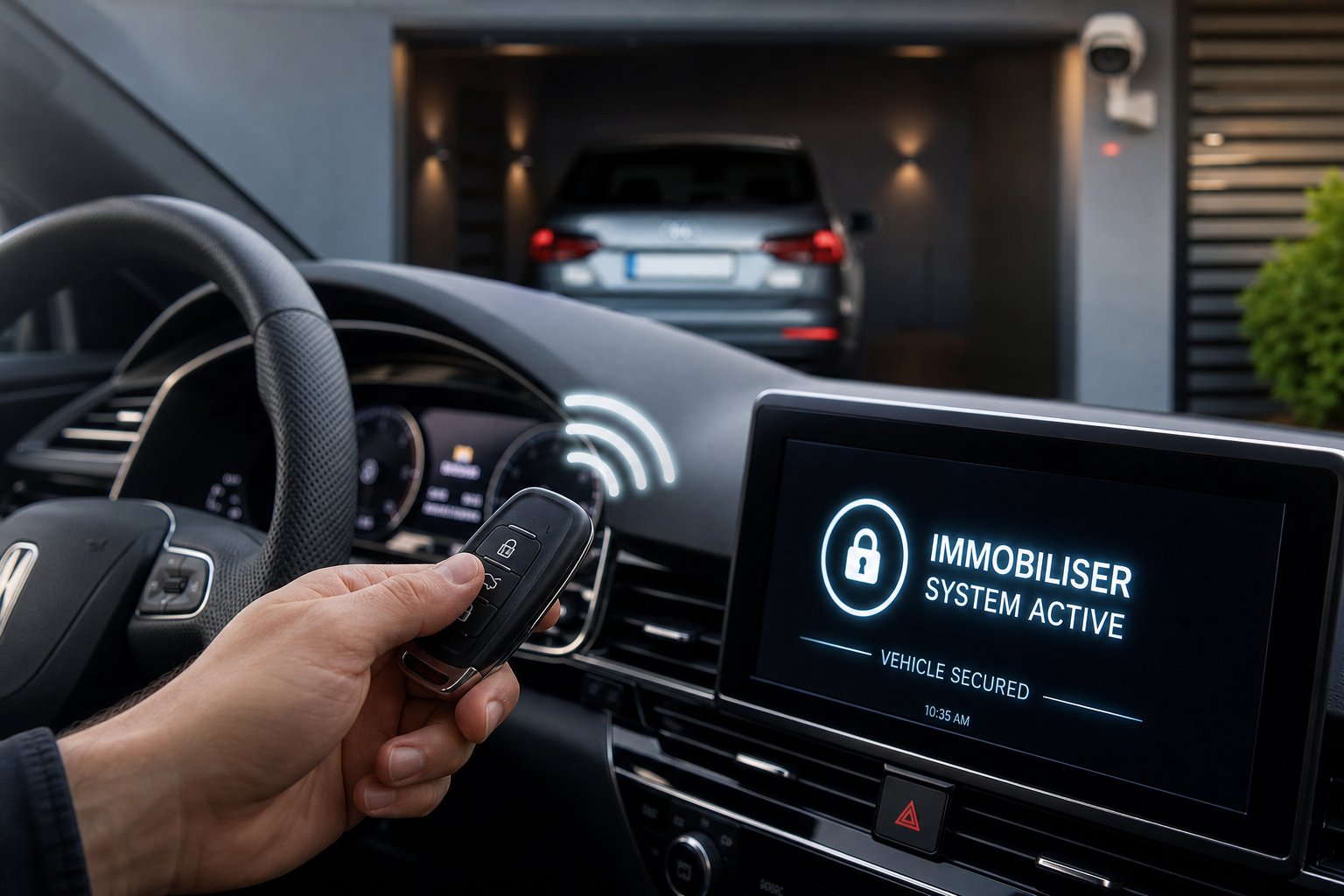
Ghost immobilisers deliver measurable advantages through professional fitting, compatibility with other security systems, and protection that works across different vehicle types. These devices complement existing security measures whilst addressing gaps in factory systems.
Advantages Over Traditional and Factory Immobilisers
Factory immobilisers rely on basic radio frequency signals that thieves can intercept or clone. Your car’s standard security often fails against modern vehicle theft techniques like relay attacks and OBD port hacking.
Ghost immobilisers work differently. They don’t transmit signals that criminals can capture. Instead, they require a unique PIN code to be entered via your existing buttons before the engine will start. This makes key cloning ineffective, even if thieves have copied your genuine key.
Traditional car alarms only alert you after someone attempts entry. They don’t prevent the vehicle from starting if a thief has your key or uses relay equipment. Ghost systems stop the engine from running regardless of whether criminals have cloned keys or accessed the OBD port.
The device integrates with your vehicle’s CAN bus system. This connection cannot be bypassed via the OBD port, which prevents attempts to swap ECUs. Thieves cannot simply plug in diagnostic tools to override the system.
Professional Installation and TASSA Certification
You need professional fitting to ensure your Ghost immobiliser works properly. Installers with TASSA certification understand the specific requirements for different vehicle models.
TASSA verification means the installer meets insurance industry standards set by Thatcham Research. This certification matters because many insurers require TASSA-approved installation before they’ll recognise the device for premium reductions.
Professional installation typically takes two to three hours. The technician hides the device within your vehicle’s existing wiring, making it invisible to thieves. Mobile installation services offer nationwide coverage so that fitters can come to your location.
The installation won’t affect your vehicle warranty. TASSA-certified installers follow manufacturer guidelines and don’t modify factory systems in ways that void coverage. You receive documentation proving the installation meets industry standards.
Compatibility With Trackers and Insurance Impacts
Ghost immobilisers work alongside GPS trackers and vehicle trackers. The immobiliser prevents theft, whilst the tracker helps recover your car if criminals use a transporter to move it.
Combined Security Benefits:
- Immobiliser: Stops the engine from starting
- GPS tracker: Locates your vehicle if stolen
- Factory systems: Provide basic deterrent features
Many insurers offer lower insurance premiums when you fit aftermarket vehicle security. Reductions typically range from 10% to 15%, though this varies by provider and vehicle type.
You must inform your insurer about the installation. Provide them with your TASSA certificate and installation documentation. Some policies require specific security measures for high-value vehicles.
Considerations for Prestige Vehicles and Everyday Use
Prestige vehicles face higher theft risk due to their value and demand for parts. Ghost immobilisers add protection that luxury manufacturers’ factory systems don’t provide against sophisticated criminals.
Is a Ghost immobiliser worth it for standard cars? Modern vehicle theft techniques work on most makes and models. Keyless entry systems in everyday vehicles remain vulnerable to relay attacks.
The device suits both scenarios. Installation costs range from £400 to £600 depending on your vehicle’s complexity. This investment provides protection that outlasts your ownership period.
You won’t notice the system while driving normally once you’ve memorised your PIN sequence. The buttons you use already exist in your car, so there’s nothing new to learn beyond the code pattern itself.
Frequently Asked Questions
The Ghost immobiliser raises practical questions about compatibility, cost, and security effectiveness that UK drivers need answered before making an investment decision. These answers address the most common concerns about living with and relying on this technology to protect your vehicle.
How does a Ghost immobiliser prevent keyless entry and relay theft?
The Ghost immobiliser prevents relay theft by completely ignoring the key fob signal. Thieves can use relay boxes to clone or extend your key fob signal to unlock the doors and trick the car into thinking the key is present. However, the engine will not start unless your unique PIN sequence is entered via the vehicle’s existing buttons.
Relay attacks work by creating a digital bridge between your key fob at home and the car on the drive. The Ghost breaks this attack method because it requires you to take physical action. Even if the thief manages to unlock the doors and sit in the driver’s seat with a cloned key, the engine remains immobilised until the correct button sequence is entered.
The device doesn’t emit any radio frequency signals that thieves can intercept or scan. There’s nothing to clone, relay, or amplify. This makes it fundamentally different from factory-fitted immobilisers that rely on wireless communication between the key and the car.
Can a Ghost immobiliser be bypassed or hacked using OBD tools or CAN bus attacks?
The Ghost immobiliser is designed to resist OBD port hacking and CAN bus injection attacks. Many factory security systems can be bypassed through the OBD port using readily available diagnostic tools. Thieves plug in a device, reprogram a blank key, and drive away in under 60 seconds.
The Ghost prevents unauthorised communication through the OBD port in most vehicle configurations. It monitors the entire CAN bus network for rogue commands and blocks them before they reach the engine control unit. This stops criminals from injecting “start” commands directly into the vehicle’s wiring.
CAN bus attacks involve accessing the vehicle’s headlight wiring or other entry points to send unlock and ignition commands. The Ghost identifies these unauthorised signals and maintains the immobilisation. Because the system is installed deep within the vehicle’s wiring loom with no external LEDs or physical keypads, thieves cannot locate or tamper with the hardware even if they gain access to the cabin.
No security system is completely immune to a determined attack with unlimited time and resources. However, the Ghost makes theft so difficult and time-consuming that criminals typically abandon the attempt and move to an easier target.
What are the most common Ghost immobiliser problems, and how are they diagnosed?
The most common issue reported by Ghost immobiliser users involves forgetting the PIN sequence. This is usually resolved within the first week of ownership as the button sequence becomes routine. If you forget your code, a professional installer can reset the system using manufacturer-approved tools and ownership verification.
Incorrect button presses during the PIN entry can trigger a temporary lockout. If you enter the wrong sequence multiple times, the system may require a short waiting period before allowing another attempt. This is a security feature designed to prevent brute-force guessing by thieves.
Battery drain is rarely an issue but can occur if the vehicle is left unused for extended periods. The Ghost draws minimal power from the battery, typically less than 0.01 amps. If your car already has a battery drain problem, the Ghost will not make it significantly worse.
Installation errors account for the majority of technical problems. If the device is fitted incorrectly or the wiring connections are poor, you may experience intermittent faults or failure to start. This is why professional installation by a TASSA-approved fitter is essential. They have the diagnostic tools and training to ensure the system integrates correctly with your vehicle’s specific CAN bus architecture.
What does a Ghost immobiliser look like, and where is it typically installed in the vehicle?
The Ghost immobiliser is a small black box roughly the size of a box of matches. It has no LED lights, no buttons, and no external connectors that would give away its location. The device is deliberately designed to be invisible to anyone searching for it.
Professional installers hide the unit deep within the vehicle’s dashboard wiring loom. Common locations include behind the glovebox, under the steering column, or within the centre console. The exact placement varies depending on the vehicle’s layout and the installer’s security protocols.
There are no visible wires or cut cables that a thief could trace. The Ghost connects to the CAN bus using the vehicle’s existing wiring, so there’s no need to splice or sever factory cables. This leaves no physical evidence of its presence during a visual inspection.
You will not see the Ghost immobiliser when you sit in the driver’s seat. There are no additional buttons or screens to interact with. You use the vehicle’s factory-fitted controls, such as the steering wheel volume buttons or the electric window switches, to enter your PIN.
How much does a Ghost 2 immobiliser typically cost in the UK, including fitting?
The Ghost 2 immobiliser typically costs between £400 and £600 in the UK, including professional installation. The price varies depending on your vehicle type, location, and the installer you choose. More complex vehicles with advanced electronics may require additional fitting time, which can slightly increase the cost.
There are no monthly subscription fees or ongoing costs. You pay once for the hardware and installation, and the system protects your vehicle for its entire lifespan. This makes it more cost-effective over time compared to tracker systems that charge annual renewal fees of £150 or more.
Some insurance providers offer discounts for vehicles fitted with a TASSA-verified immobiliser. These savings can partially offset the initial purchase price over a few years. You should contact your insurer before installation to confirm whether they recognise the Ghost immobiliser for premium reductions.
Is the Autowatch Ghost immobiliser compatible with Toyota vehicles and modern factory security systems?
The Autowatch Ghost immobiliser is compatible with most Toyota vehicles built after 2005. This includes popular models such as the RAV4, Corolla, Hilux, and Land Cruiser. The system integrates with Toyota’s CAN bus network without interfering with factory-fitted security features.
Modern Toyota vehicles often include keyless entry and push-button start systems. The Ghost works alongside these factory systems rather than replacing them. Your original key fob still unlocks the doors and activates the dash. The Ghost adds an extra layer of authorisation before the engine can start.
Toyota’s hybrid and electric models are also compatible with the Ghost immobiliser. The system adapts to the vehicle’s powertrain and prevents the electric motor or petrol engine from engaging until you enter your PIN. Compatibility extends to vehicles with factory alarms, tracking systems, and advanced driver assistance features.
You should verify compatibility with a professional installer before booking an installation.


About author
Related posts

A GPS location alone doesn’t mean a tracker meets a Thatcham security standard. For motorhome tracker installation in the UK, the key difference is... Continue reading

Thatcham approval identifies vehicle security systems tested against recognised criteria, and S5 is the highest level of stolen-vehicle tracking... Continue reading

Insurance-approved tracker installation in the UK comes down to fitting the category your insurer requires: S5 or S7. Thatcham Research replaced the... Continue reading

A tracker’s installation method matters as much as its tracking features. Fleet vehicle tracker installation in the UK depends on the device: some... Continue reading

A GPS tracker can calculate its position without mobile signal, but it needs a way to transmit that location if you want to see it... Continue reading