
No products in the cart.
Why Does My Car Alarm Keep Going Off?
A Troubleshooting Guide for UK Drivers
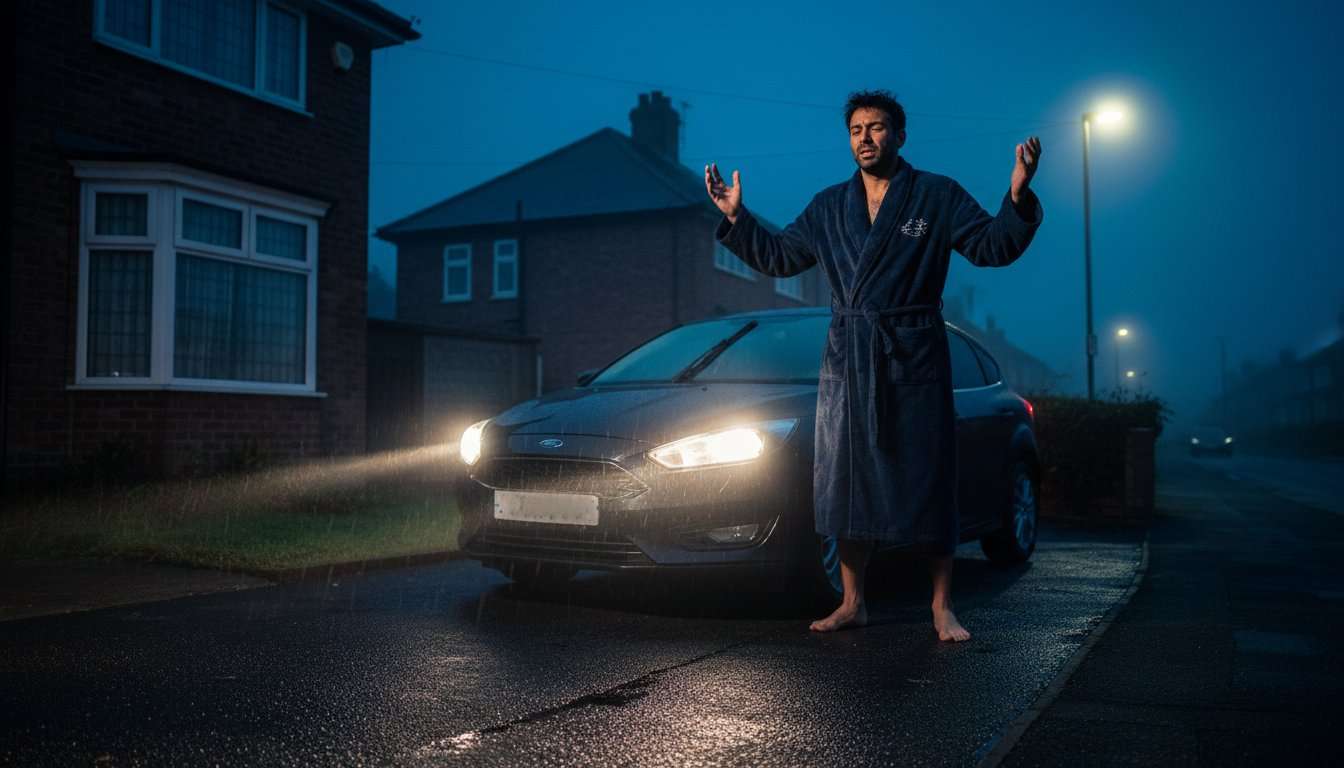
It is 3:14 amam on a damp Tuesday morning, and you are standing on your driveway in your dressing gown because your car alarm won’t stop screaming at the neighbours. It is a frustrating situation that many of the UK’s 33 million drivers have faced at least once.
We understand the immediate embarrassment of noise pollution and the genuine anxiety that thieves might target your vehicle. When you find yourself thinking, "My car alarm keeps going off for no reason," the fear of a drained battery and a car that won’t start for the morning commute is incredibly stressful.
You need your vehicle to be safe and sound without the nuisance of phantom triggers. This troubleshooting guide helps you identify the most common causes of a rogue alarm and provides a step-by-step process to silence the noise for good. We will show you how to identify a faulty sensor, check your battery voltage, and ensure your Thatcham insurance-approved security remains intact without waking the entire street.
Key Takeaways
- Learn the rapid reset techniques, including key fob cycling and manual door overrides, to silence your vehicle and reset the ECU instantly.
- Pinpoint exactly why my car alarm keeps going off by inspecting high-failure areas like the bonnet pin and moisture-sensitive door latches.
- Uncover the link between a failing car battery and "phantom" alarms caused by sudden voltage drops or parasitic battery drain.
- Follow a professional troubleshooting checklist to verify your vehicle’s physical entry points and battery health using a simple multimeter.
- Recognise when a recurring fault signals a dying control module and why upgrading to a Thatcham-approved system provides superior, insurance-approved protection.
Immediate Steps: How to Stop a Car Alarm Right Now
If you’re standing on your driveway at 3:00 a3:3:00 amthe siren blares, you need a solution fast. A sounding alarm is more than just a nuisance; it drains your battery and disrupts the entire street. When my car alarm keeps going off, the priority is to break the cycle and restore silence before investigating the root cause. Most systems respond to a few standard override procedures that bypass the triggered sensor.
The Quick Key Fob Reset
Modern security systems rely on a handshake between the fob and the vehicle’s Engine Control Unit (ECU). Press the unlock button twice in quick succession. This double-tap ensures that all doors signal ‘open’ to the module, which often clears a ‘door ajar’ false positive. Check the fob casing for stuck buttons.
The data suggest that debris beneath the rubber membrane accounts for approximately 15% of intermittent panic signals. If the fob is unresponsive, replace the CR2032 or CR2025 battery immediately. A weak battery sends inconsistent signals that the Car alarm module may interpret as a tampering attempt.
Using the Physical Key Over-ride
Many UK drivers forget that their high-tech fobs contain a manual blade. For vehicles manufactured before 2015, inserting the key into the driver’s door lock and turning it to the unlock position provides a hardwired signal to the security system. This is often more reliable than a radio frequency signal.
Once inside, insert the key into the ignition. The transponder chip must communicate with the immobiliser to verify your identity. In 90% of cases, turning the engine to the ‘on’ position provides the necessary voltage surge to override the alarm circuit and kill the siren.
If the noise continues even after the engine starts, you may be dealing with a faulty aftermarket system or a dedicated backup battery in the siren itself. In these urgent scenarios, you must cut the power source directly:
- Locate the Alarm Fuse: Open your fuse box, usually found behind the glovebox or in the engine bay. Use the diagram on the lid to find the fuse marked ‘Alarm’ or ‘Horn’ and pull it using the plastic tweezers provided.
- Disconnect the Battery: Use a 10mm spanner to loosen the nut on the negative (black) terminal. Lift the cable away from the post. This provides instant silence but will reset your clock and potentially require a radio code.
- Check for Aftermarket Switches: Some Thatcham-approved systems have a hidden valet switch or a small keyhole on the siren unit under the bonnet.
Taking these immediate steps prevents further battery drain. Once the vehicle is silent, you can systematically check for common culprits such as bonnet latches or sensitive interior motion sensors without the pressure of a screaming siren. It’s the first step in ensuring your vehicle stays safe and sound.
The Most Common Culprits: Sensors and Latches
Identifying why my car alarm keeps going off often leads back to a handful of hardworking components. These sensors and latches are exposed to the elements and mechanical wear every single day. Most false triggers aren’t caused by a complex computer failure but by a simple physical obstruction or a dirty connection that breaks the security circuit.
The Infamous Bonnet Sensor
The bonnet pin is the most frequent failure point for UK drivers. You will usually find this small plastic or metal plunger near the slam panel or integrated into the latch mechanism itself. Because it sits at the very front of the vehicle, it bears the brunt of the weather. During winter, the grit salt used on British motorways is particularly aggressive.
This salt causes corrosion on the electrical contacts, leading to a high-resistance connection.
When this happens, the car’s security module receives an intermittent signal. It thinks the bonnet has been forced open even though it is securely shut. You can perform a simple 10-minute DIY test by locating the pin and cleaning the terminal with electrical contact cleaner. Statistics from independent garage networks suggest that nearly 60% of sensor-related alarm faults are resolved by simply cleaning or replacing this single component.
Interior Motion and Ultrasonic Sensors
Ultrasonic sensors are designed to detect movement inside the cabin by monitoring air pressure and sound waves. They are incredibly sensitive. If you leave a window open by as little as 10mm, a sudden gust of wind can change the interior pressure enough to trigger the siren. This is a common issue when my car alarm keeps going off on particularly blustery nights.
Internal obstructions are another major factor. A heavy, swaying air freshener hanging from the rearview mirror is often enough to trip the sensor. You should also check for "spider triggers." Spiders often crawl into the warm sensor housing and spin webs across the lens, which the system interprets as an intruder.
If you need to leave a pet in the car for a brief time or park in a high-vibration area, look for the "pet mode" button on your dashboard or key fob. This allows you to lock the doors while temporarily turning off the interior motion detectors.
Door and boot latches also contribute to the problem. Around 18% of reported alarm faults in the UK stem from moisture ingress in the door microswitches. If the latch doesn’t seat perfectly, the sensor sends a "door ajar" signal to the ECU. If your DIY checks don’t silence the system, it might be time to consider professional security diagnostics to identify the exact sensor at fault.
Finally, consider your shock sensor sensitivity. These units detect vibrations from someone hitting the glass or trying to tow the vehicle. If the sensitivity is set too high, a heavy bus passing by or even a loud thunderclap can start the alarm. Most aftermarket systems have a small dial on the control module that lets you turn the sensitivity down a few degrees to prevent these external triggers.
Power Issues: Why a Weak Battery Triggers the Alarm
When your car alarm keeps going off unexpectedly, the battery is often the primary culprit. Most modern security systems constantly monitor the electrical circuit for signs of tampering. This leads to a voltage drop.
If your battery voltage dips below a specific threshold, usually 12.4V, the alarm system assumes a thief is trying to disconnect the power supply. It triggers the siren as a defensive measure, even if the car is sitting on your driveway.
Poor connections also play a significant role. Terminal corrosion, often appearing as a white or blueish powder on the battery posts, creates high electrical resistance. This mimics a sudden power cut.
The alarm control module loses its steady feed and reacts as if the cables have been snipped. Clean your terminals regularly to ensure a consistent connection. If you’ve noticed your car struggling to start, it’s a clear sign that the battery health is declining and likely causing your security issues.
Some premium security systems, including many Thatcham Insurance Approved units, feature an independent battery within the siren itself. These are designed to keep the alarm screaming even if a criminal manages to disconnect the main vehicle battery.
If this internal cell fails or the main battery becomes too weak to charge it, the siren may trigger randomly. This creates a "death spiral" in which a faulty alarm component drains the main battery, causing the alarm to sound more frequently until the vehicle is completely dead.
Understanding Voltage Thresholds
The UK weather is particularly hard on lead-acid batteries. During winter, temperatures frequently drop to 0°C or lower. A battery that functions perfectly in the summer can lose up to 35% of its cranking power in freezing conditions. This explains why my car alarm keeps going off at 3 AM. That’s usually when the ov3 amght temperature hits its lowest point, causing the voltage to sag just enough to cross that 12.4V trigger line.
Key Fob Signal Interference
Urban centres across the UK, from London to Manchester, are saturated with radio frequency (RF) interference. High-voltage power lines, mobile phone towers, and even large LED displays can disrupt the signal between your car and the key fob. This interference can sometimes confuse the alarm module into thinking a door has been remotely unlocked or tampered with.
Criminals also exploit these frequencies through relay attacks. They use boosters to catch the signal from your key inside the house and "relay" it to the car. To prevent this sophisticated type of theft, many drivers are now installing a Ghost Immobiliser. This device doesn’t rely on radio signals, making it immune to the relay attacks that often mimic a faulty or sensitive alarm system.

A Systematic Troubleshooting Checklist
If you find yourself asking why my car alarm keeps going off, you need a logical plan to isolate the fault. Intermittent triggers usually stem from physical obstructions or electrical fluctuations that confuse the vehicle’s Controller Area Network (CAN) bus.
Follow this checklist to identify the culprit before booking a professional repair. Taking a methodical approach saves time and prevents you from replacing expensive components unnecessarily.
Step 1: The Visual Entry Point Audit
Start with the basics. Modern vehicle security systems monitor every entry point, and a slight misalignment can trigger a false alert. Ensure the boot is slammed shut firmly; a partially latched boot is a common culprit for midnight alarms. Check that no seatbelts are caught in door latches, as even a few millimetres of gap can confuse the door pin sensor.
Clean all visible sensor pins with a dry cloth to remove dirt or grease that could cause a short circuit. Look for water ingress in the footwells. Damp carpets often indicate a blocked drainage channel or a windscreen leak that could short-circuit the alarm module behind the dashboard. Don’t forget the bonnet latch, as this area is prone to road salt corrosion that can interfere with the sensor circuit.
Step 2: Battery and Connection Health
Electrical instability is a leading cause of alarm malfunctions. Use a multimeter to measure the battery voltage with the engine off. A healthy battery should read 12.6V. If your reading drops below 12.2V, the battery lacks the steady current required to keep the alarm sensors stable.
Ensure battery terminals are tight and free of white, powdery corrosion; a loose connection can cause voltage spikes that the alarm interprets as a break-in attempt. Any car battery over 5 years old is a prime suspect for alarm issues and likely requires replacement to maintain system integrity.
Review these additional technical factors to narrow down the problem:
- OBD-II Diagnostics: Plug in a diagnostic tool to read stored fault codes. This indicates whether a specific ultrasonic or tilt sensor has failed.
- Recent Installations: Review any dash-cam or audio upgrades performed in the past 14 days. Improperly grounded accessories often trigger low-voltage warnings.
- Aftermarket Sensitivity: If you have a Viper or Clifford system, adjust the shock sensor levels. High-sensitivity settings can be triggered by a heavy gust of wind or a passing lorry.
Identifying the root cause is the first step toward restoring your peace of mind. If the physical checks don’t resolve the issue, it’s time to consider professional intervention.
Stop the noise today and contact our experts for professional vehicle security diagnostics across the UK.
When to Call a Professional: Upgrading Your Security
If you’ve checked the door latches and replaced the key fob battery but find that my car alarm keeps going off without reason, the system has likely reached the end of its functional life. Most factory-installed security modules are designed to last roughly a decade. Beyond this point, moisture ingress or circuit degradation often causes the internal logic to fail.
This leads to the frustrating cycle of false triggers that disturb your neighbours and drain your car battery. When hardware fails, simple DIY fixes won’t solve the core issue.
Upgrading to a Thatcham Approved System
Standard factory alarms rarely offer the robust protection found in dedicated aftermarket car alarm systems. Thatcham Category 1 status is the gold standard for UK insurers, requiring both a perimeter alarm and an ignition-linked immobiliser.
Upgrading to a modern system can reduce annual premiums by 10% to 15% for many UK drivers, as it significantly lowers the risk of theft. You’ll need to understand the different security ratings available:
- S7 Security: Provides basic GPS location tracking if the vehicle is moved without the engine running.
- S5 Security: Offers the highest level of protection, including Automatic Driver Recognition (ADR) tags to thwart keyless car crime.
- Category 1 Alarms: Feature internal motion sensors and battery-backed sirens that sound even if a thief cuts the main power.
Professional installation is a non-negotiable requirement for these systems. Insurers won’t accept a certificate of installation unless a qualified technician has performed the work. This ensures the wiring is hidden and the system integrates perfectly with your car’s existing electronics.
Safe & Sound Mobile: UK-Wide Expert Support
You don’t need to waste a day at a local garage to fix security issues. Our nationwide mobile fitting service covers the entire UK, bringing expert technicians directly to your driveway or workplace. We specialise in installing high-end alarms and insurance-approved vehicle trackers.
If your current system is faulty, our team can diagnose the root cause and replace the control unit on-site. This eliminates the stress of a vehicle that won’t stop screaming in a public car park.
A recurring fault where my car alarm keeps going off is often a sign that my vehicle is vulnerable. We provide clear, fixed pricing and a lifetime warranty on many of our tracking products. Combining a Thatcham-approved alarm with a proactive tracker provides 24/7 monitoring and total peace of mind. Speak with our specialists today to properly secure your vehicle.
Restore Peace of Mind to Your Drive
Dealing with the constant frustration of a vehicle that won’t stay quiet is exhausting for you and your neighbours. Most issues stem from a failing 12V battery or a sensitive bonnet latch sensor. If my car alarm keeps going off, using a systematic checklist helps identify if it’s a simple power drain or a deeper technical fault.
You now have the tools to troubleshoot these common triggers and regain control of your vehicle’s security.
Don’t let a malfunctioning system leave your car vulnerable or drain your battery overnight. Our team of Thatcham Recognised Installers offers a Nationwide Mobile Fitting Service to fix faults or upgrade your setup with ease. We’ve earned 5-star Trustpilot reviews by providing direct, expert solutions at your home or workplace. Whether you need a repair or a complete security overhaul, we ensure your car remains protected without false alarms.
Speak with a vehicle security specialist today
You’ll be back to enjoying a silent, secure vehicle before you know it.
Frequently Asked Questions
Can a low battery cause my car alarm to go off?
Yes, a low battery is the most common reason my car alarm keeps going off unexpectedly. When your 12V battery voltage drops below 12.4 volts, the alarm system often interprets the power fluctuation as a thief attempting to disconnect the power supply. This triggers the siren as a security fail-safe. You should test your battery health if it’s more than 3 years old to prevent these false activations.
How do I permanently disable my car alarm?
You shouldn’t permanently turn off your car alarm, as it will likely invalidate your insurance policy. Most UK insurers require a working Thatcham Category 1 or 2 system to provide theft cover. If your system is faulty, it’s better to have a specialist repair it or install a modern Ghost Immobiliser. Disconnecting the fuse might stop the noise, but it leaves your vehicle completely unprotected from 100% of theft attempts.
Why does my alarm go off when it rains?
Rain triggers alarms primarily through water ingress in the bonnet pin or door sensors. Moisture creates a temporary short circuit that the alarm’s control module perceives as a door being forced open. In 85% of these cases, a corroded sensor or a blocked drainage channel is the culprit. Heavy downpours can also cause vibrations that trip sensitive ultrasonic interior sensors if your windows aren’t tightly sealed.
Will a faulty car alarm drain my battery overnight?
Yes, a faulty alarm can completely drain a healthy battery in less than 12 hours. The siren and flashing hazard lights consume significant current every time the system cycles. If the alarm triggers 5 or 6 times during the night, you’ll likely find the car won’t start the next morning. Constant triggering requires immediate professional attention to prevent permanent damage to your battery cells.
Does a car alarm going off mean someone tried to steal it?
Not necessarily, as 90% of alarm activations in the UK result from technical faults or environmental factors rather than theft. While you should always check your vehicle for signs of tampering, common triggers include low voltage, faulty sensors, or even a passing heavy vehicle. If you’re concerned about security, upgrading to a Thatcham Insurance Approved tracker provides 24/7 monitoring and greater peace of mind.
How much does it cost to fix a car alarm that keeps going off?
Expect to pay between £50 and £95 for a professional diagnostic check to identify why my car alarm keeps going off. If a specific sensor needs replacing, the cost typically ranges from £130 to £260, including UK-wide installation and parts. For older, unreliable systems, many drivers find it’s more cost-effective to install a brand-new Clifford or Viper security system starting from £399.
Can a spider inside the car really set off the alarm?
Yes, a spider crawling across an internal ultrasonic sensor is a frequent cause of midnight false alarms. These sensors detect movement by bouncing sound waves off interior surfaces, and an insect moving close to the sensor lens appears as a large intruder to the system. Vacuuming your car interior every 30 days and ensuring vents are clear can reduce the risk of these biological triggers by 75%.
What is the difference between a factory alarm and a Thatcham alarm?
The manufacturer fits a factory alarm during production, whereas a Thatcham alarm meets rigorous UK security standards set by the Motor Insurance Repair Research Centre. Thatcham Category 1 systems must include perimeter detection, ignition lockout, and a battery-backed siren that operates even if the main battery is cut. Most UK insurers require Thatcham-approved devices before they’ll cover high-value vehicles against theft.


About author
Related posts

The cheapest front-and-rear dash cam kit isn’t automatically the best value. Choosing the best budget front and rear dash cam in the UK means... Continue reading

A hardwired car tracker installation connects the device to the vehicle’s power, earth and ignition or accessory circuit. The tracker is typically... Continue reading

A tracker can help locate a vehicle after it’s stolen, but it won’t prevent the theft itself. To choose between auto security systems, understand... Continue reading

A car alarm alone isn’t always the strongest choice. The best alarms for cars suit the vehicle and the protection you need: an alarm warns... Continue reading

Can you track a van from your phone? Yes. With a tracker that provides app access, you can view its location on a mobile device.... Continue reading