
No products in the cart.

Aftermarket Car Alarms
Features, Brands, and Buying Guide
Aftermarket car alarms add layers of protection to vehicles that either lack factory security or need stronger defence against modern theft methods. These systems range from basic vibration sensors with loud sirens to advanced solutions that combine GPS tracking, smartphone alerts, and AI-driven motion detection. Whether you park on busy streets or in quiet residential areas, the right system helps deter thieves and provides peace of mind.
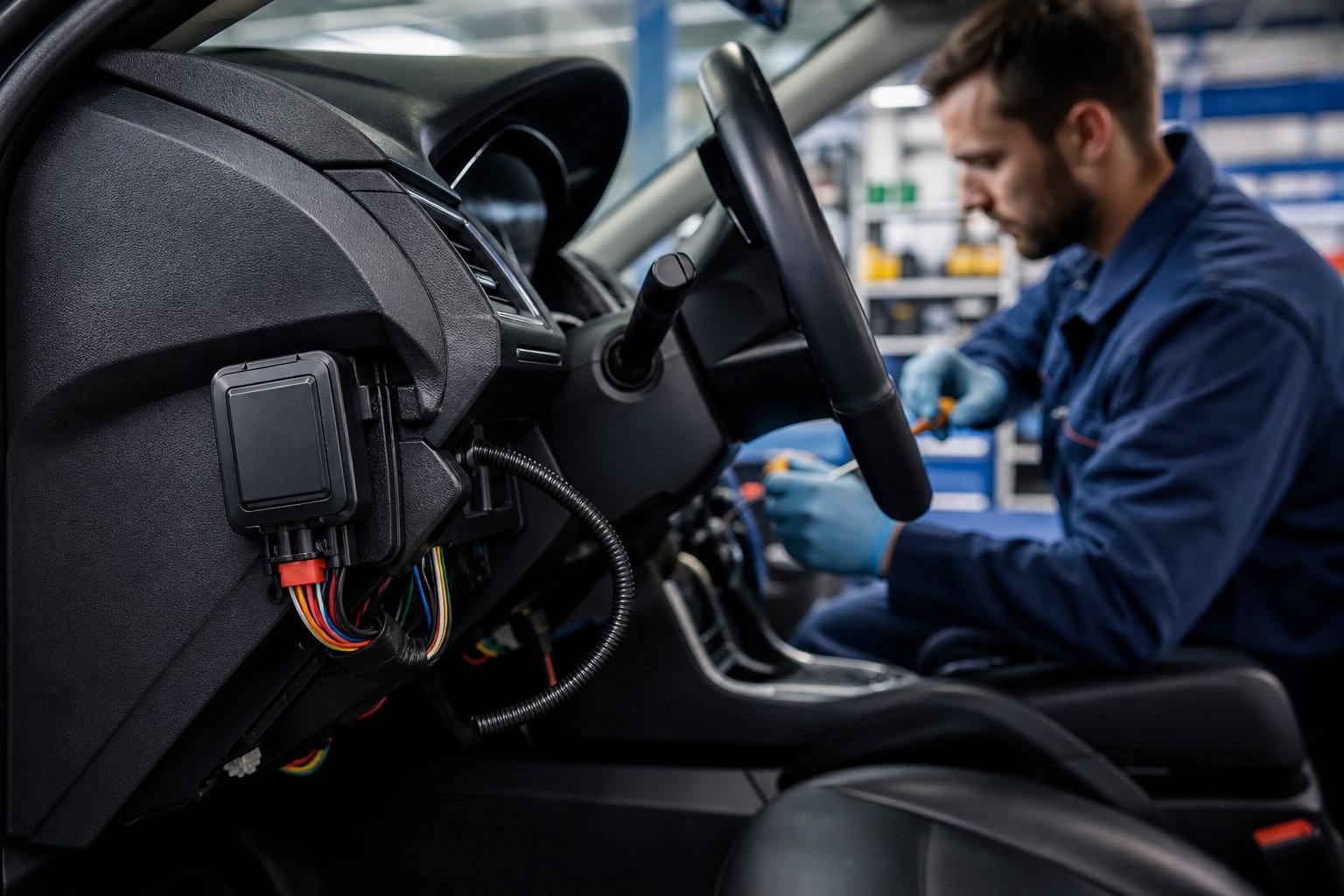
Aftermarket car alarm systems typically include audible alarms (measured in decibels), visual deterrents such as flashing lights, motion sensors to detect tampering, and remote controls or mobile apps for arming and monitoring your vehicle. Higher-end models offer real-time tracking, engine immobilisation, and immediate notifications if someone attempts to break in or move your car. Installation complexity varies—some kits require professional fitting, whilst others use plug-and-play connections suitable for DIY setup.
Choosing the right car security system depends on your vehicle type, parking environment, and whether you prioritise loud deterrence or silent tracking. Understanding the core technologies and installation requirements helps you select a system that matches your security needs without overspending or adding unnecessary complexity.
Key Takeaways
- Aftermarket car alarms provide audible sirens, visual deterrents, motion sensors, and remote monitoring to protect your vehicle from theft.
- Modern systems combine traditional alarms with GPS tracking, smartphone alerts, and AI-based sensors to reduce false alarms.
- Installation ranges from simple DIY kits to professional setups, so choose a system that matches your vehicle and security needs.
Key Features and Technologies in Aftermarket Car Alarm Systems
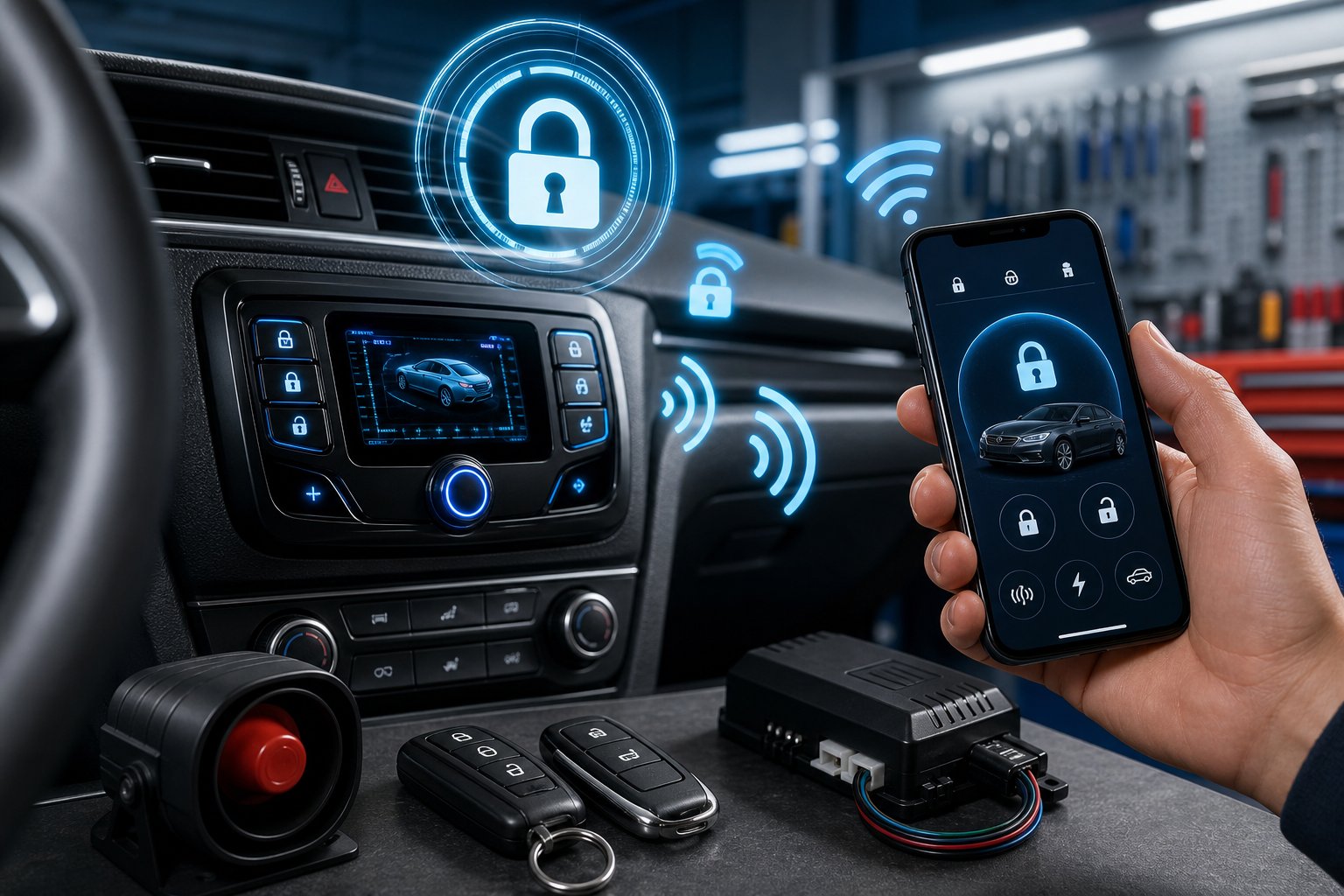
Modern aftermarket car alarm systems integrate multiple layers of protection through sensors, audible and visual alerts, remote controls, and tracking capabilities. These technologies work together to detect threats, deter thieves, and notify you of suspicious activity around your vehicle.
Types of Sensors and Their Functions
Shock sensors and vibration sensors form the foundation of most alarm systems. A shock sensor detects impacts to your vehicle—such as a broken window or forced entry—while a vibration sensor monitors gentler disturbances, like someone leaning against it or trying to jimmy a door.
Motion sensing technology has evolved beyond simple shock detection. Modern systems employ 3D-accelerated sensors combined with AI algorithms to distinguish genuine threats from harmless events, such as passing lorries or strong winds. This approach significantly reduces false alarms whilst maintaining high sensitivity to actual tampering.
Many systems use a two-stage alert process. The first stage triggers a brief warning when initial movement is detected—typically a short chirp or flash. If disturbances continue, the system escalates to full alarm mode with sustained sirens and lights. This graduated response helps deter opportunistic thieves before they break in.
Alarm Sirens and Visual Deterrents
A 120dB car alarm sounds like a chainsaw or rock concert, while a 108dB car alarm delivers a slightly lower but still highly effective volume. Both specifications exceed conversational speech by roughly 60 decibels, making them impossible to ignore in most environments.
Visual deterrents complement audible alarms through red strobes, red warning lights, and ring-shaped strobes. A 360° strobe provides all-angle visibility, ensuring bystanders and potential thieves notice the alarm from any direction. The combination of loud sirens and bright flashing lights draws immediate attention, often sufficient to make thieves abandon their attempt.
Some systems let you adjust volume based on your parking environment. Lower settings suit quiet residential areas where extreme noise might cause neighbourhood disputes, whilst maximum volume works well in busy car parks or high-crime areas.
Remote Operation and Smart Integration
Key fobs provide one-way or two-way communication with your alarm system. Basic models support commands such as arm, disarm, and panic mode. Two-way systems send confirmation signals back to your fob, verifying that your vehicle received the command.
Advanced features include remote start (remote engine start), which lets you start your vehicle from indoors in cold weather. Passive keyless entry (PKE) automatically unlocks doors when you approach with the fob in your pocket. Window roll-up functionality closes windows when you arm the system, whilst trunk release lets you open the boot remotely.
Valet mode temporarily turns off certain alarm functions when you hand the keys to parking attendants, preventing false alarms while keeping basic security. Central locking systems with actuators integrate with your alarm to lock and unlock all doors simultaneously.
Smartphone integration extends control beyond physical key fobs. Mobile apps let you monitor alarm status, receive instant notifications, and control functions from anywhere with mobile coverage.
Advanced Vehicle Tracking and Real-Time Monitoring
GPS tracking and real-time 4G tracking transform your alarm from a reactive deterrent into an active recovery tool. If your vehicle is stolen despite alarm activation, tracking systems pinpoint its location within metres, dramatically improving police recovery rates.
Real-time monitoring sends immediate alerts to your smartphone when the alarm detects vibrations, unauthorised engine starts, or disconnection attempts. Some systems include car-finding features that use GPS coordinates to help you locate your vehicle in large car parks. Certain trackers alert you to battery issues, electrical faults, or unusual engine behaviour, functioning as an early warning system for maintenance problems. This dual-purpose approach adds value beyond theft protection.
Remote monitoring lets you check your vehicle’s status anytime. You can verify whether doors are locked, review recent alerts, and even monitor driving patterns if you lend your car to family members.
Top Aftermarket Car Alarm Brands and Installation Considerations
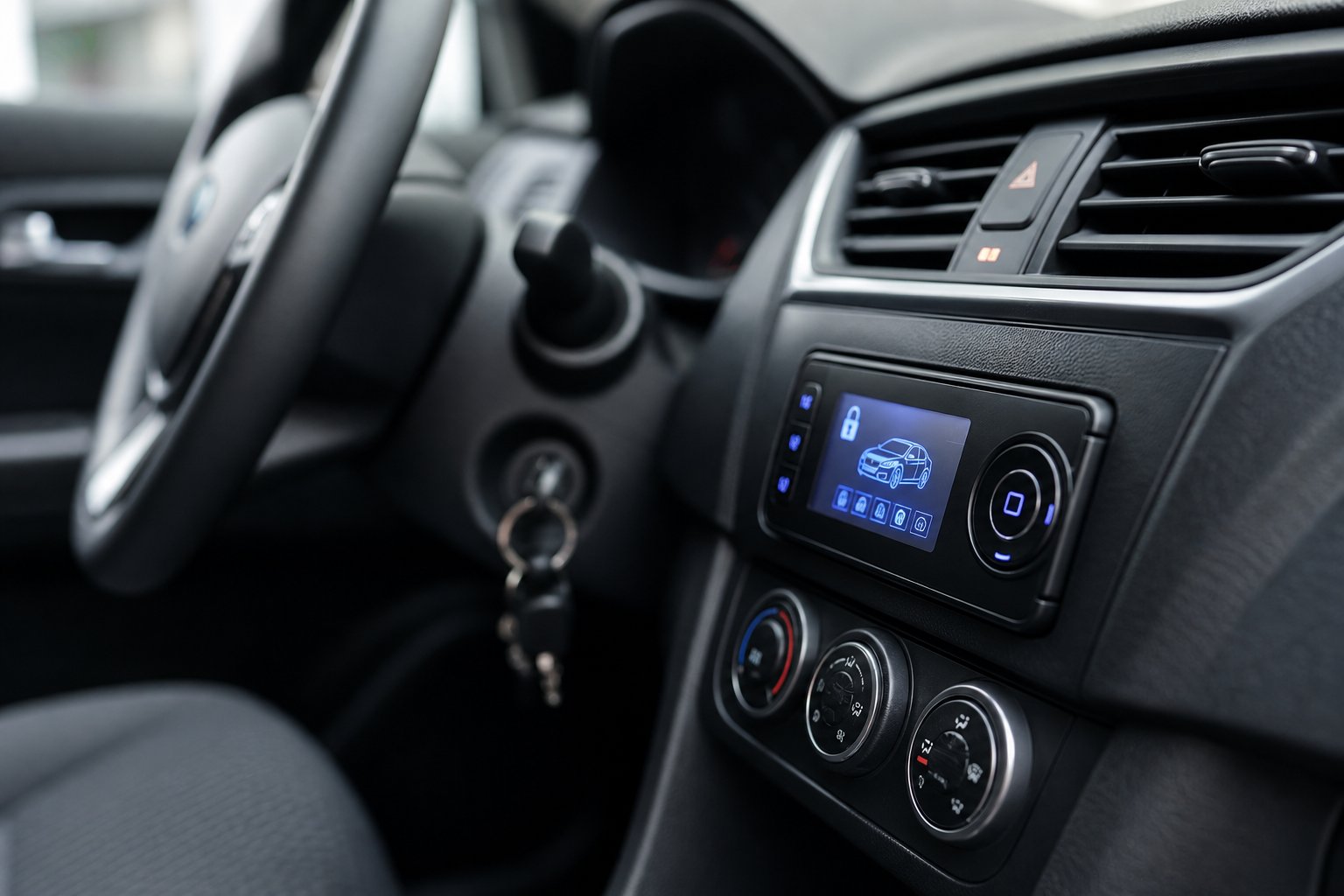
Selecting an aftermarket alarm system requires evaluating trusted manufacturers and understanding installation requirements. Leading brands offer distinct features ranging from basic shock sensors to cellular tracking, whilst installation complexity varies from plug-and-play to professional hardwiring.
Leading Brands and Recommended Models
Viper remains the most recognised name in aftermarket car security, offering comprehensive two-way communication and remote start integration. Clifford systems deliver high-end protection with advanced shock sensors and anti-scan technology that prevents code-grabbing attempts. Avital provides budget-friendly options without sacrificing core security features; the Avital 5305L includes keyless entry and a one-button remote for straightforward operation.
CARLOCK specialises in real-time tracking through cellular connections. The CARLOCK Real-Time Car Tracker sends instant alerts to your smartphone when it detects movement, engine start, or unusual vibration. CompuStar models like the CS7900-AS combine remote start with security features and extended range up to 900 metres.
LNKERCO and Electop focus on high-decibel deterrence. The LNKERCO 120dB system uses AI-assisted motion detection to reduce false alarms whilst maintaining a powerful siren. The Electop 120dB Car Alarm System features a 360° ring-strobe design for complete visibility around your vehicle. Banvie and Easyguard offer mid-range solutions with reliable shock sensors and remote arming capabilities suitable for most cars and light trucks.
DIY vs Professional Installation
DIY installation suits wireless systems and OBD-based trackers that require no hardwiring. You can install the CARLOCK device yourself by plugging it into your vehicle’s OBD-II port, typically located beneath the dashboard. Basic vibration alarms need only battery connections and secure mounting.
Professional installation becomes necessary for comprehensive systems with starter interrupts, door lock integration, or multi-zone sensors. Installers ensure proper wiring to ignition, door triggers, and boot releases without damaging factory electronics. Installation complexity increases with features like remote start, which requires integration with your vehicle’s CAN bus system.
Labour costs typically range from £100 to £300, depending on the vehicle type and number of features. Professional fitting also helps protect your warranty, as many manufacturers void guarantees for improperly installed equipment. If you choose DIY, verify your vehicle’s electrical specifications and use wiring diagrams to avoid short circuits or blown fuses.
Additional Security Options and Common Issues
Pairing your aftermarket alarm system with a steering wheel lock creates layered protection that deters opportunistic theft. Visible deterrents, such as flashing LED indicators and window stickers, signal to potential thieves that your vehicle has active security.
False alarms represent the most common complaint about aftermarket car security systems. Adjust sensor sensitivity to prevent triggering from passing lorries or strong winds. AI-assisted systems from LNKERCO and Electop reduce nuisance alerts by distinguishing real threats from environmental vibrations.
Always lock your car manually, even with an alarm fitted, as unlocked doors can repeatedly trigger an alarm—regular maintenance includes checking or replacing remote fob batteries and ensuring cellular-based trackers keep active subscriptions. Update firmware when manufacturers release patches to improve detection algorithms and close security vulnerabilities.
Safe and Sound Essex
Safe and Sound Mobile is a family-run business specialising in aftermarket car alarms and security systems throughout Essex and the surrounding areas. Based in Rettendon, Chelmsford, they offer both workshop and mobile installation services to accommodate your schedule.
The company has over 30 years of experience in the automotive electronics industry. They are approved installers for major alarm brands, including Clifford, Meta, and Cobra, with Thatcham-approved installation credentials that ensure professional fitment standards are met. are met
Their product range includes:
- Car alarms and immobilisers
- Vehicle tracking systems
- Dashcams
- Car audio systems
- Security accessories
Safe and Sound Mobile stands out for its mobile service, letting installers come to you instead of requiring you to visit a workshop. This flexibility is especially useful if you’re short on time or prefer installation at home or work.
The business stocks premium security brands and offers free advice on alarm systems suited to your specific vehicle. Their installers are factory-trained on the products they fit, which helps ensure proper integration with your car’s existing electrical systems.
You can find them at Hobbit’s Hole, South Hanningfield Road, Rettendon, Chelmsford, CM3 8HD. They serve Essex and surrounding regions, providing supply and installation services for aftermarket security solutions.


About author
Related posts

A GPS location alone doesn’t mean a tracker meets a Thatcham security standard. For motorhome tracker installation in the UK, the key difference is... Continue reading

Thatcham approval identifies vehicle security systems tested against recognised criteria, and S5 is the highest level of stolen-vehicle tracking... Continue reading

Insurance-approved tracker installation in the UK comes down to fitting the category your insurer requires: S5 or S7. Thatcham Research replaced the... Continue reading
Professional car dash camera fitting gives you a securely mounted camera, concealed wiring and a tested power connection. With mobile fitting, the... Continue reading

Car Alarms: 7 Essential Checks for Better UK Vehicle Security Car alarms can detect certain signs of interference and sound a warning, but the right... Continue reading